

With Scottish cuisine, it’s not just the dishes themselves that leave a lasting impression, but the stories behind them. Take haggis, for example. While it’s now proudly served as Scotland’s national dish, its origins lie in medieval times, when hunters needed a practical way to cook and preserve meat quickly after a hunt, often using the stomach as a natural casing. These layers of history, ingenuity and local tradition are woven into every plate. With Insight Vacations, you’ll taste your way through Scotland (or any destination you choose) guided by experts and local voices who bring these stories to life, help you connecting with your destination in a way you simply can’t on your own. Take a look at our tours to Scotland and see for yourself.
Traditional Scottish Food You Need to Try
Scotland’s landscapes may steal the spotlight, but its cuisine tells an equally compelling story. Rooted in history, shaped by geography, and refined over centuries, traditional Scottish food reflects a culture built on resourcefulness, seasonal cooking, and deep regional pride. From hearty breakfasts designed for long days outdoors to iconic dishes that date back to the 18th century, Scottish cuisine is both comforting and surprisingly diverse. Whether you’re sampling classic pub fare or modern interpretations in elegant dining rooms, these traditional Scottish dishes offer a delicious introduction to the country’s culinary heritage.
What is traditional Scottish food?
Traditional Scottish food is shaped by the country’s climate, coastlines, farmland, and history. For centuries, Scots relied on what they could raise, hunt, fish, or preserve, resulting in dishes that are filling, flavour-forward, and practical. Oats, root vegetables, game, lamb, beef, dairy, and seafood form the backbone of Scottish foods, while smoking, curing, and slow cooking were essential techniques long before refrigeration.
Over time, Scotland’s culinary identity evolved, particularly during the 18th century, when agricultural improvements and global trade brought new ingredients and influences. Today, traditional Scottish dishes sit comfortably alongside modern fine dining, with chefs proudly reinterpreting classics using exceptional local produce.
Haggis, neeps and tatties
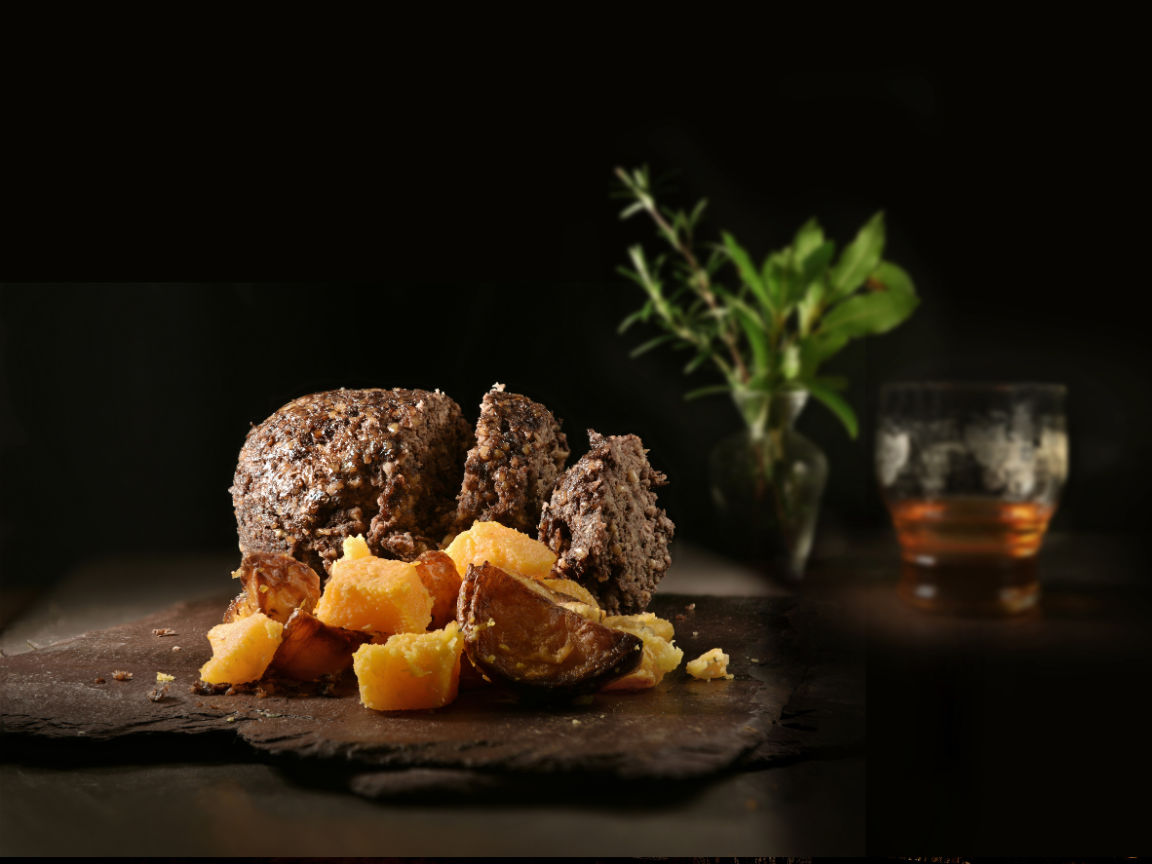
No exploration of traditional Scottish food would be complete without haggis, neeps and tatties: a dish that has become a national symbol. Often misunderstood, haggis is a deeply historic recipe made from minced sheep’s offal, oatmeal, onions, suet, and spices, traditionally cooked in a casing. Its origins lie in practicality, ensuring no part of an animal went to waste.
Served with neeps (mashed turnips or swede) and tatties (potatoes), haggis is rich, peppery, and surprisingly balanced. Today, it’s celebrated not only at Burns Night suppers but year-round in pubs and restaurants across Scotland. Vegetarian versions have also become widely available, making this national dish accessible to all travelers.
Cullen skink
Cullen skink is a prime example of Scotland’s mastery of simple ingredients. This creamy soup, originating in the fishing village of Cullen in Moray, features smoked haddock, potatoes, onions, and milk or cream. The result is warming, smoky, and deeply comforting — ideal for Scotland’s cooler climate.
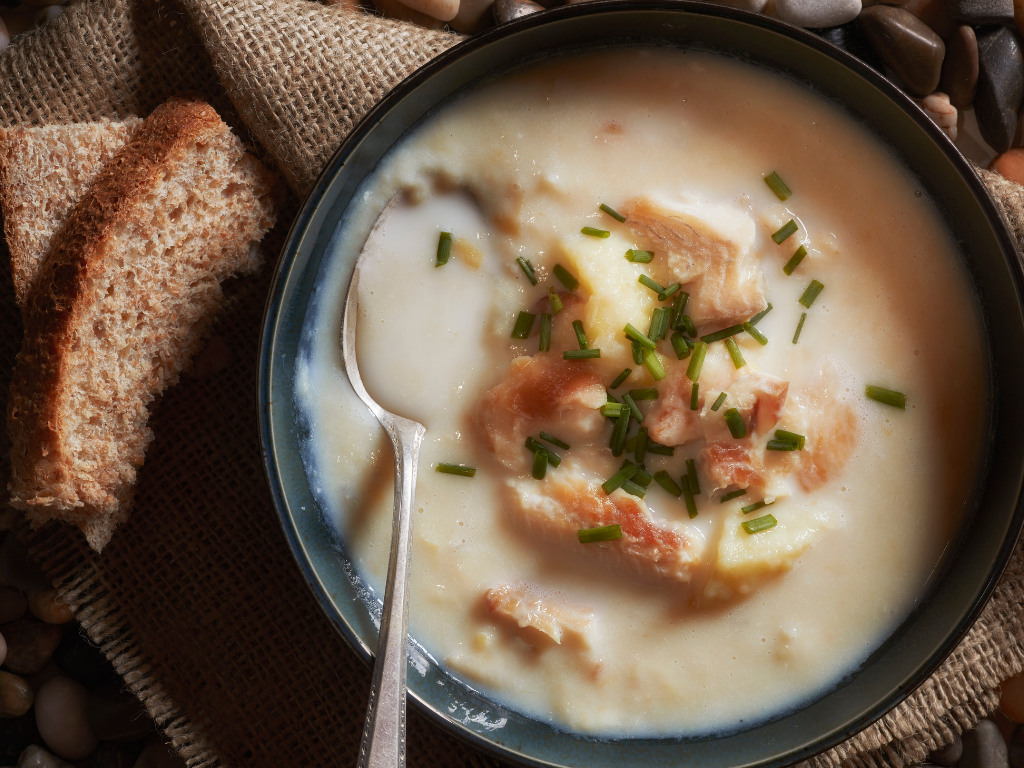
Once considered humble fare, Cullen skink has become a staple on menus ranging from seaside cafés to refined hotels. It showcases the importance of seafood in Scottish cuisine, particularly along the northeast coast, where smoking fish was historically a method of preservation as much as flavour.
Full Scottish breakfast
What’s in a full Scottish breakfast?
A full Scottish breakfast is not for the faint-hearted. Designed to fuel long days of physical work, it typically includes eggs, bacon, sausages, baked beans, mushrooms, tomatoes, tattie scones (potato flatbreads), and both black pudding and white pudding.
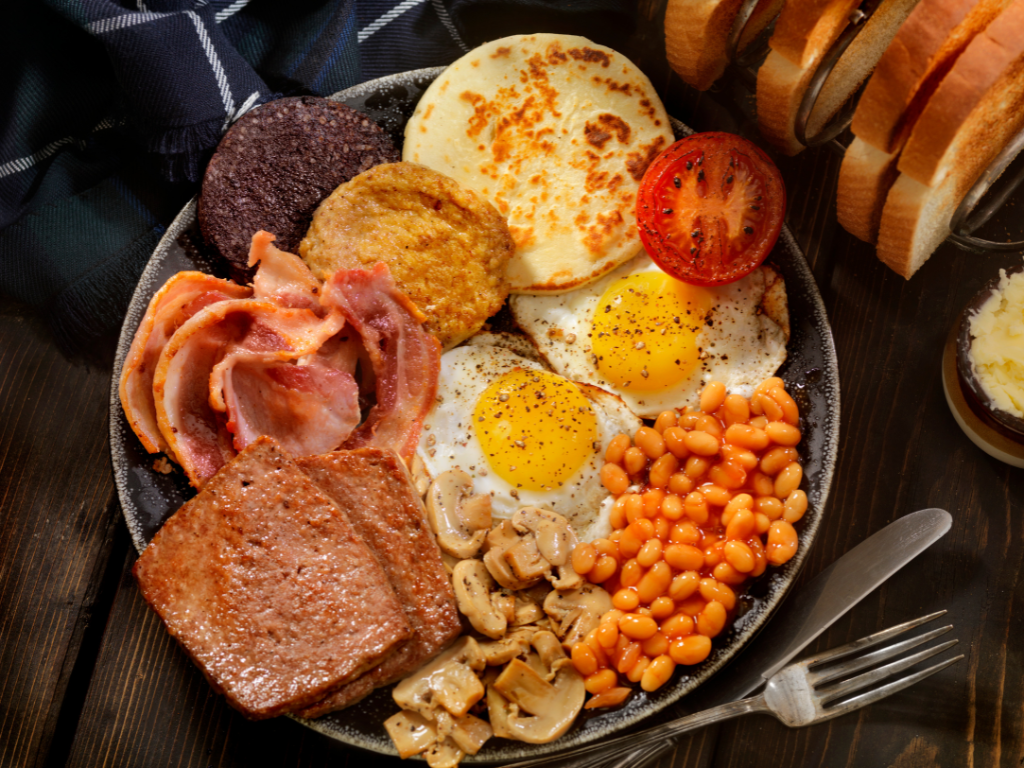
Black pudding — a savoury sausage made with pork, oats, fat, and blood — is a cornerstone of traditional Scottish food and reflects the country’s long-standing “nose-to-tail” cooking philosophy. Today, the full Scottish breakfast remains a beloved ritual, whether enjoyed in a cosy B&B or a historic hotel dining room.
Scotch broth
Scotch broth is one of Scotland’s oldest dishes, dating back several centuries and evolving with the seasons. Traditionally made with lamb or beef, pearl barley, split peas, and root vegetables, it is hearty, nourishing, and deeply satisfying.
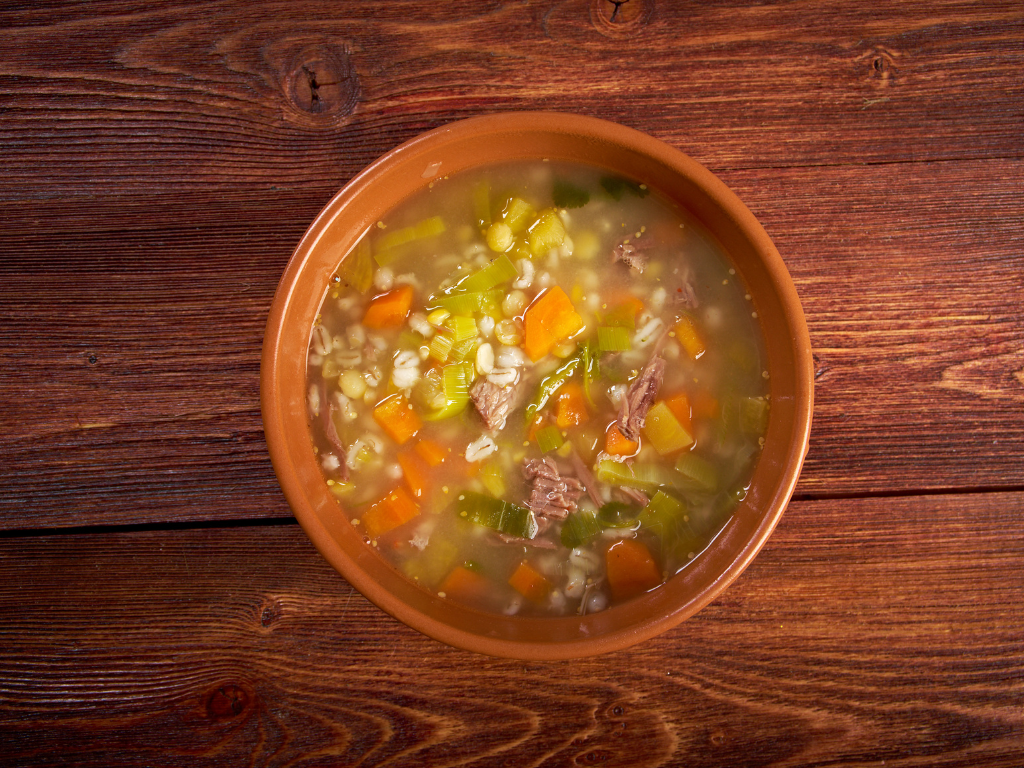
This dish speaks to Scotland’s agricultural roots and the importance of slow cooking in colder climates. While recipes vary by region and household, Scotch broth remains a staple of traditional Scottish dishes and is often served as a comforting first course in pubs and country inns.
Smoked salmon and seafood
Scotland’s cold, clean waters produce some of the finest seafood in Europe, and smoked salmon is among its most celebrated exports. Traditionally cured or smoked over wood chips, Scottish salmon is prized for its silky texture and delicate flavor.
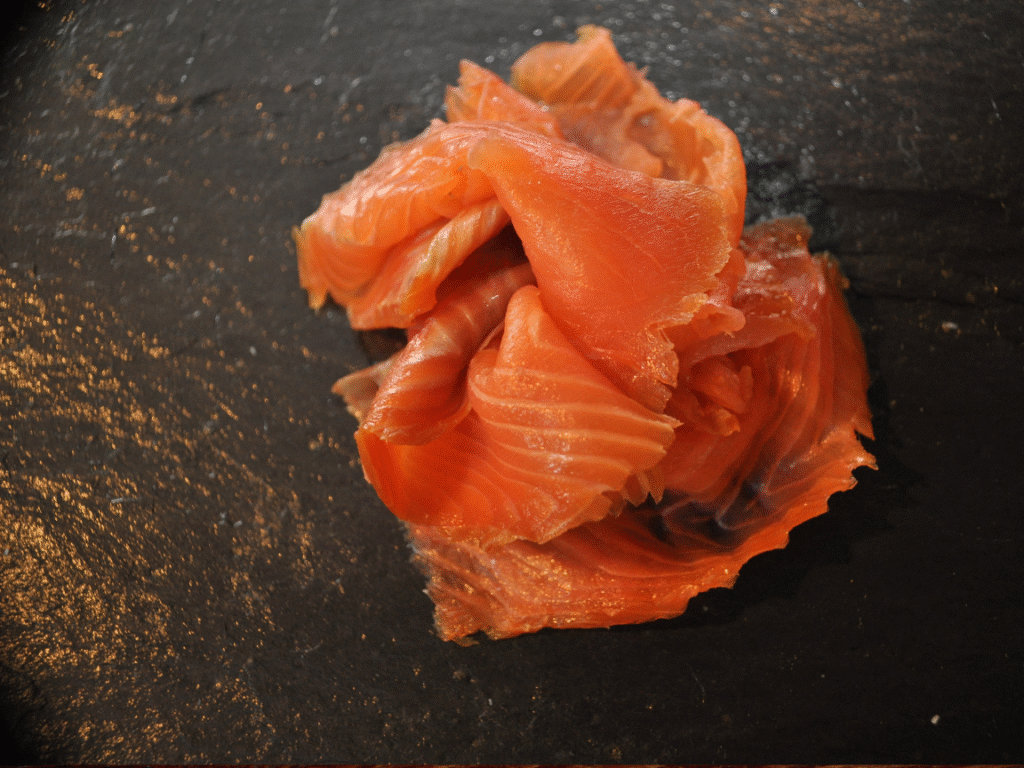
Seafood features prominently in traditional Scottish food, from oysters and scallops on the west coast to langoustines and mussels in the Hebrides. When traveling through Scotland, sampling local seafood is one of the best ways to experience regional variation within Scottish cuisine.
You may also like: Discovering Scottish Mythology: From Loch Ness to the Kelpies
Steak pie
The Scottish steak pie is a beloved comfort food, especially popular during holidays such as during Hogmanay celebrations. Made with slow-braised beef in rich gravy and topped with buttery pastry, it reflects the country’s love of hearty, warming meals.
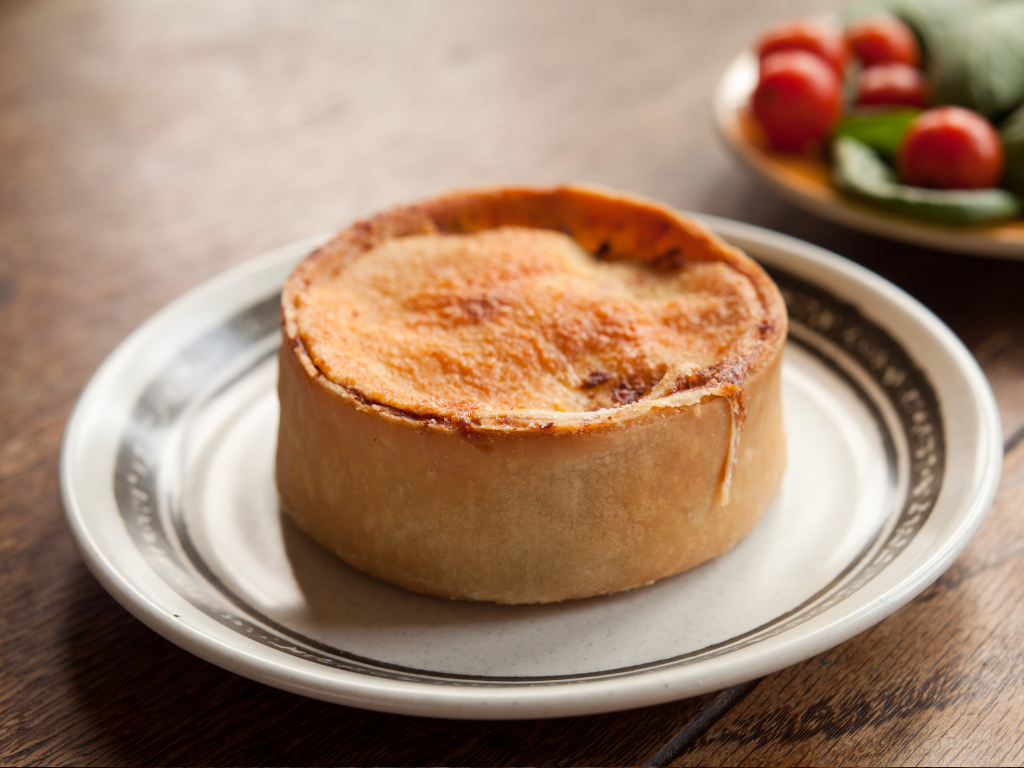
Historically, pies were a practical way to stretch meat and feed families affordably. Today, they remain a fixture in bakeries, pubs, and family celebrations, offering a nostalgic taste of traditional Scottish dishes at their most satisfying.
Deep fried Mars bars
Few foods have achieved global notoriety quite like deep fried Mars bars. Originating in fish-and-chip shops in the late 20th century, this indulgent treat became an unexpected symbol of modern Scottish food culture.
While hardly representative of everyday eating, deep fried Mars bars highlight Scotland’s playful relationship with food and its willingness to embrace culinary curiosity. Travelers will find them primarily in chip shops, often more as a novelty than a staple.
Cranachan
Cranachan is often described as Scotland’s answer to dessert royalty. Traditionally served during celebrations, it combines whipped cream, honey, toasted oats, raspberries, and a splash of Scotch whiskey.
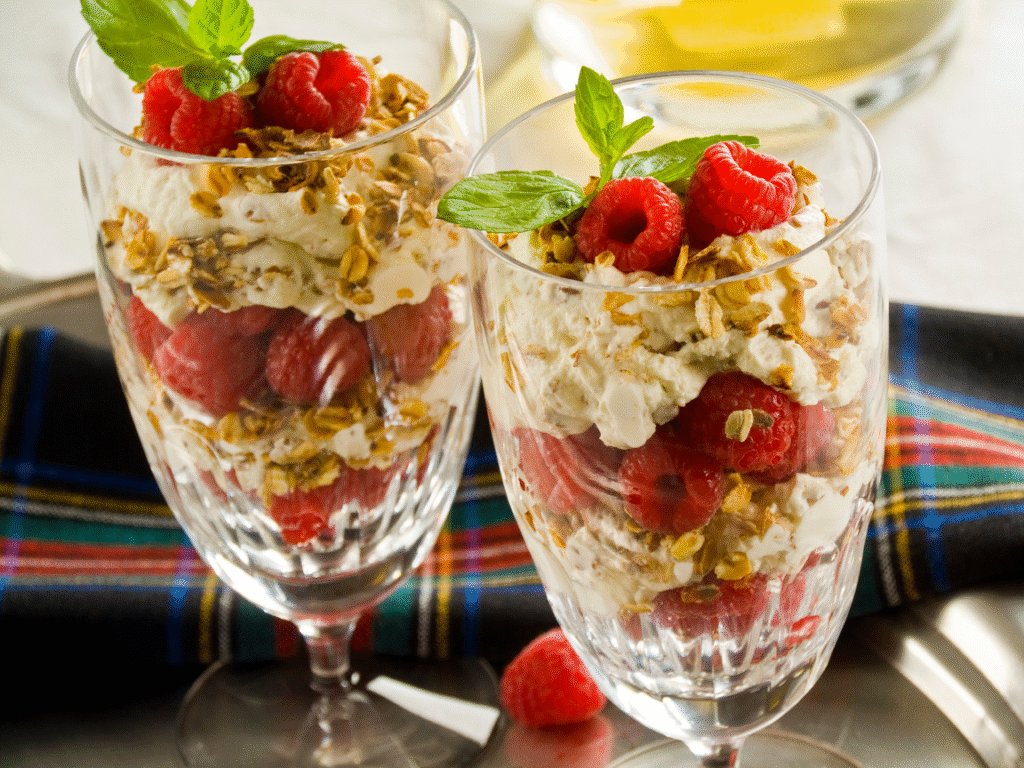
This dish perfectly balances indulgence and simplicity, showcasing local ingredients and Scotland’s renowned whisky heritage. Cranachan also reflects the importance of seasonal produce, with raspberries harvested in summer and oats central to Scottish cooking for centuries.
Taste this on the Country Roads of Scotland tour
Scotch whiskey and food culture
No discussion of traditional Scottish food is complete without mentioning Scotch whiskey. More than a drink, whisky is deeply embedded in Scotland’s culinary identity, often paired with food or used as an ingredient in sauces and desserts.

From smoky Islay malts to lighter Highland expressions, Scotch whisky enhances the experience of Scottish foods, offering insight into regional character and craftsmanship. Many travelers find that understanding whisky adds another layer to exploring Scottish cuisine.
Save up to $3,000* per couple on your first Premium Tour
Plus receive latest offers, travel inspiration, and discover how your travels will make a positive impact. Together, WE MAKE TRAVEL MATTER®. Subscribe NowWhat is Scotland’s national dish?
While debates continue, haggis is widely considered Scotland’s national dish. Celebrated by poets, served at formal dinners, and enjoyed casually in pubs, it embodies Scotland’s history, humour, and resilience. Its enduring popularity reflects the pride Scots take in their culinary traditions.
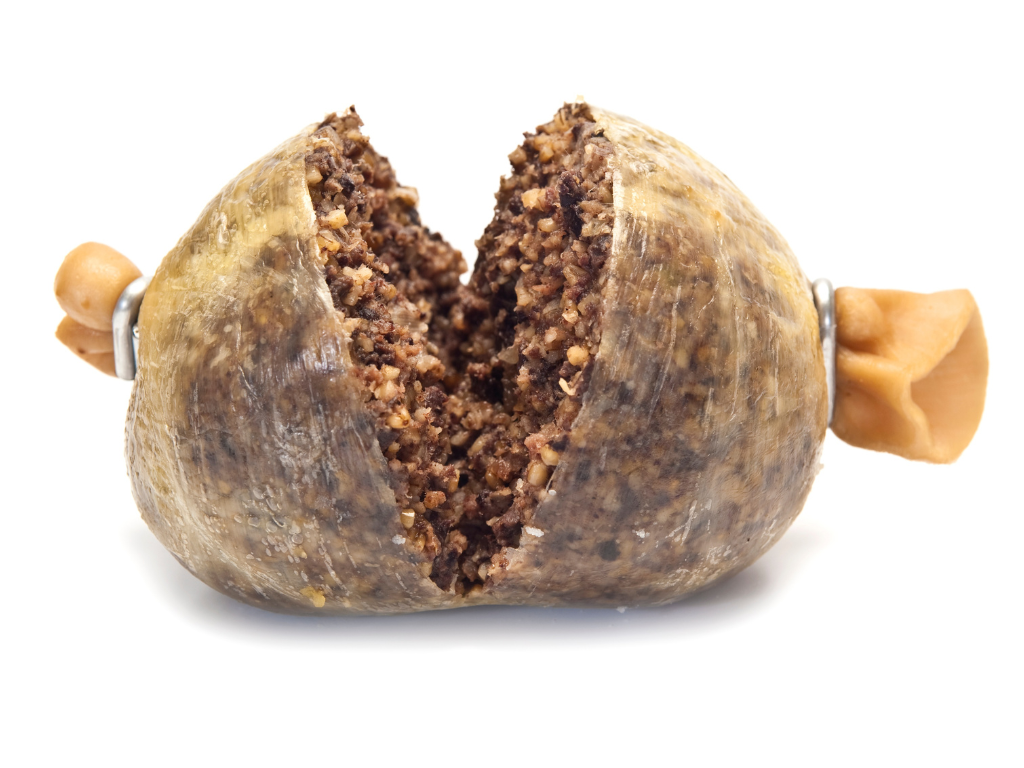

Haggis was immortalized by Scotland’s national poet, Robert Burns, in his seminal ‘Address to a Haggis’
About Jason Brasier

I'm Jay – born in Italy, raised in South London. Having French sisters and Hungarian ancestors, I've always been fascinated with the world and its cultures, and I carry this curiosity into my writing for Insightful. My favourite destinations I've traveled to so far have been Italy, Peru, France and Brazil.
LIKED THIS POST? SHARE WITH YOUR COMMUNITY
Keep exploring