20 Irish Slang Phrases to Get You Talking the Local Lingo in Ireland


Dublin’s pub culture is more than a pastime: it’s a social institution, a political forum, and a literary salon rolled into one. To step into the oldest pubs in Dublin is to step into the city’s living memory, where rebellions were whispered over porter, poems were drafted in snugs, and everyday Dublin life unfolded pint by pint. These historic pubs have survived centuries of upheaval, from colonial rule to revolution to modern tourism, and they remain as central to the city today as they were hundreds of years ago.
Here’s a journey through Dublin’s history, told through nine of its oldest and most character-filled pubs, places that have truly earned their reputation.
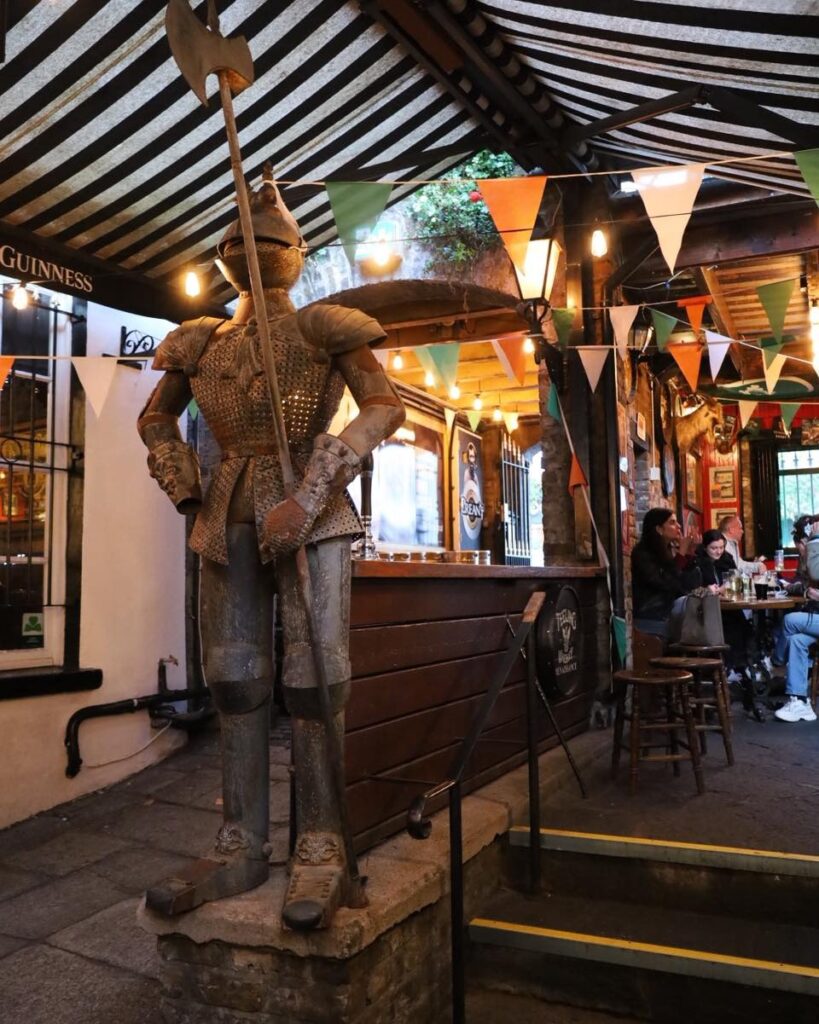
Tucked along Bridge Street, just a short walk from the River Liffey, The Brazen Head is widely recognised as Dublin’s oldest pub. There has been a hostelry on this site since 1198, although the building you see today dates to 1754, when it functioned as a coaching inn on the edge of the medieval city.
By the late 18th century, the pub had become a quiet meeting place for revolutionaries. Members of the United Irishmen, including Robert Emmet, planned uprisings here, choosing its warren of rooms for discretion so close to Dublin Castle. Today, the Brazen Head still feels steeped in that atmosphere: low ceilings, stone walls, and live traditional music that keeps Ireland’s oral storytelling tradition alive well into the night
Credit: @brazenheaddublin via Instagram
Opened in 1823, The Palace Bar sits at the edge of Temple Bar and quietly defies the area’s tourist reputation. In the mid-20th century, it became the unofficial headquarters of Dublin’s literary and journalistic scene.
Flann O’Brien, Patrick Kavanagh, Brendan Behan and others drank here regularly, while the editor of The Irish Times was known to hold court in the back bar. Today, the Palace retains its Georgian façade, Victorian interior, and reputation as one of Dublin’s finest whiskey pubs — a place where conversation still reigns.
Although a tavern existed on this site from the late 18th century, The Stag’s Head is best known for its spectacular Victorian redesign unveiled in 1894. Commissioned by entrepreneur George Tyson, it was conceived as the most dazzling pub in Dublin — and succeeded.
It became the city’s first pub lit by electric light, a novelty that reflected off mirrors, stained glass, and polished wood, beneath the watchful gaze of the enormous stag mounted above the bar. Today, it remains a favourite for its historic interiors, lively atmosphere, and film cameos — proof that grandeur and warmth can happily coexist.
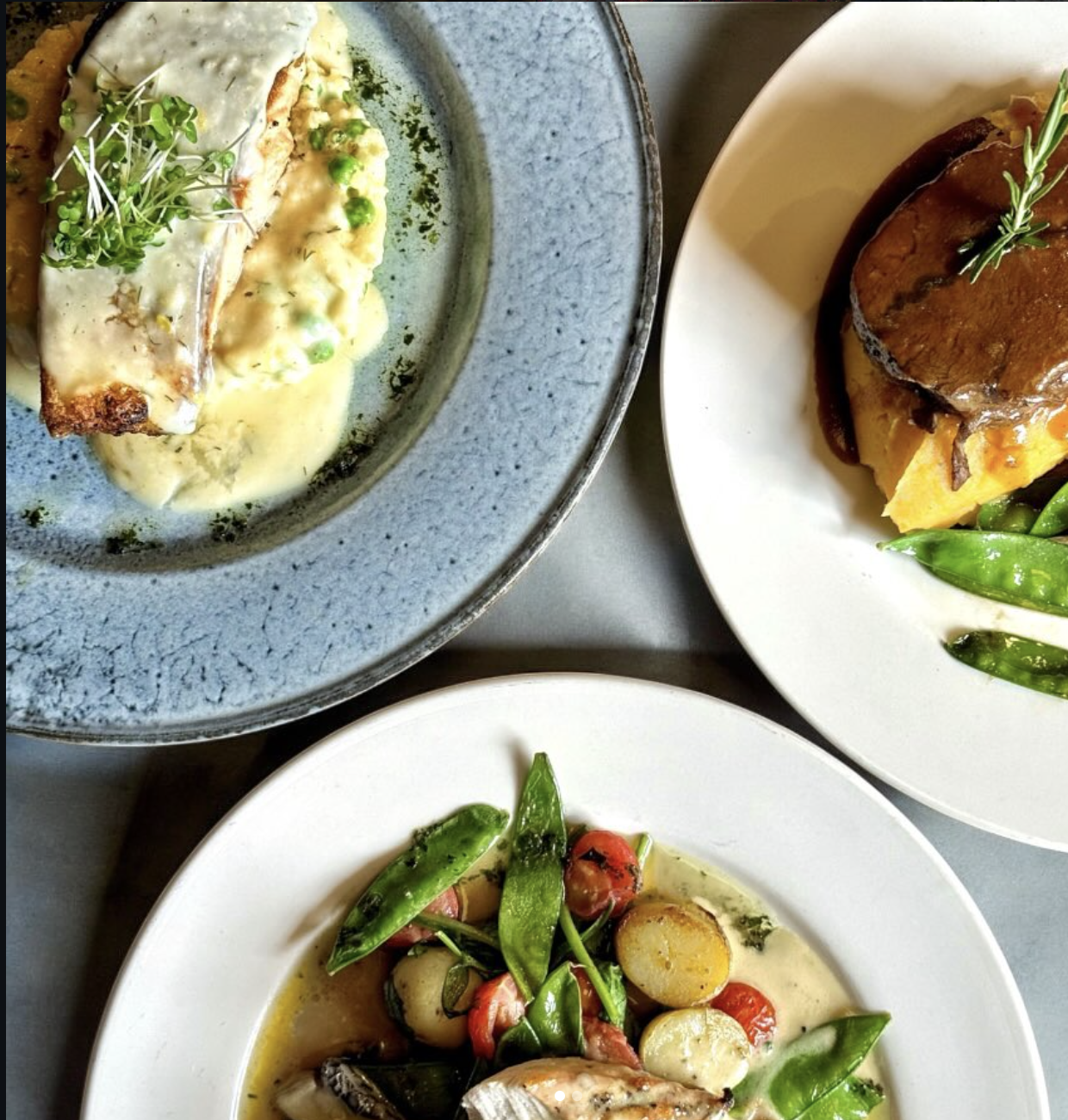

Despite their fame and history, Dublin has the fewest pubs per person of any capital city in Europe.
Running alongside Phoenix Park’s boundary wall, The Hole in the Wall began life in 1651 as a coaching inn known as Ye Signe of Ye Blackhorse. It later earned its current name by serving beer through a literal hole in the wall to soldiers stationed inside the park, who were forbidden from leaving.
By the 19th century, the pub had attracted figures like Daniel O’Connell, and in the 20th century it became a favourite of Irish presidents. Today it’s known as Europe’s longest pub, stretching an impressive 100 metres, and remains a favourite for long lunches, festive gatherings, and post-park stroll pints — especially at Christmas, when it transforms into a seasonal landmark.
Perched on a hill along the old Dublin–Belfast road, the Man O’War has been documented as a pub since at least 1595. Its name derives not from naval warfare, but from the Irish mean bharr, meaning “middle height,” referencing its elevated position on the route north.
In the 18th century, the pub became the official toll point on the Dublin–Dunleer turnpike road, serving weary coach travellers. One notable visitor was Theobald Wolfe Tone, who breakfasted here in 1792 — just years before the 1798 rebellion that would reshape Irish history. Today, its thatched roof and rural setting feel worlds away from central Dublin, offering a glimpse of what travel through Ireland once looked like.
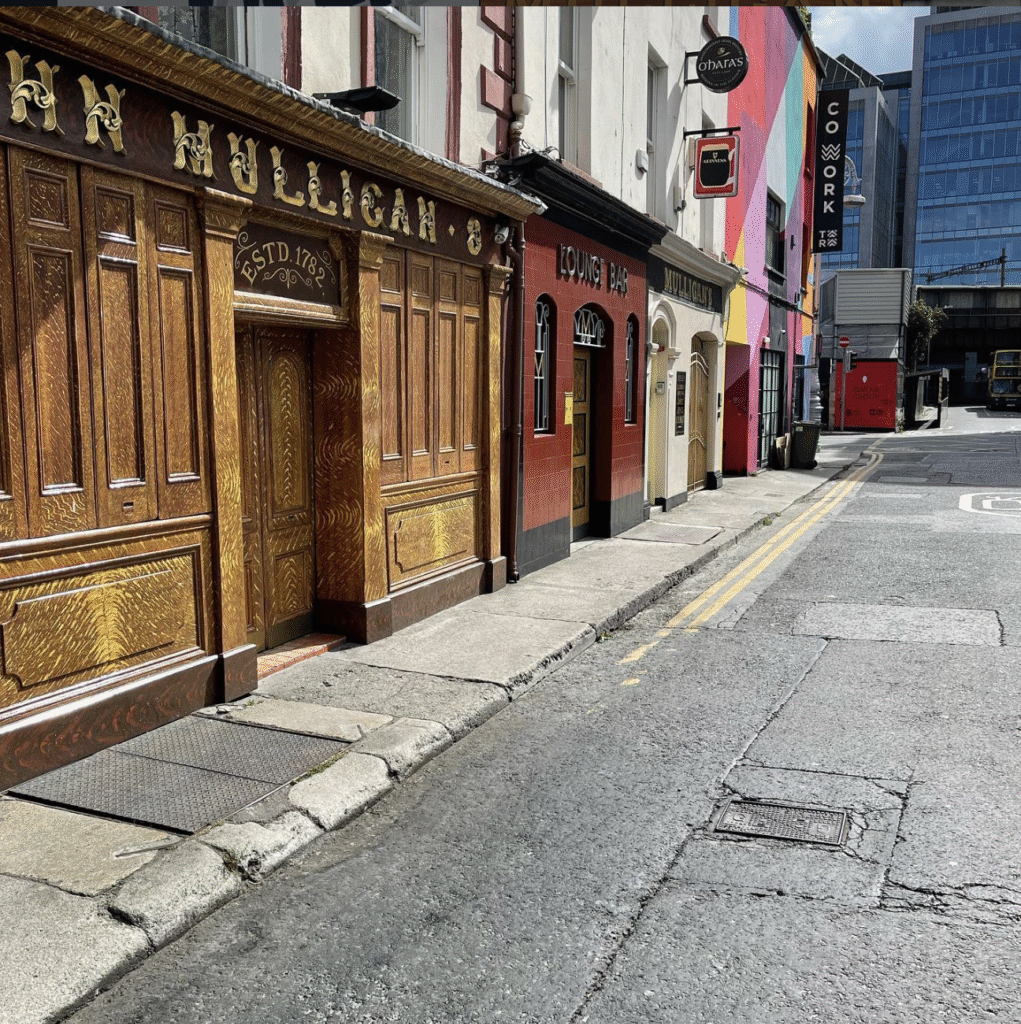
Originally an unlicensed shebeen, Mulligan’s held a legal licence from 1782 and became firmly established as a pub in the mid-19th century. It has long been associated with Dublin’s literary world — James Joyce was a regular, and he famously set a scene from Dubliners here.
In the 1950s, a young American journalist paid homage at Joyce’s favourite seat; that journalist later became President John F. Kennedy. Today, Mulligan’s is revered for its no-nonsense atmosphere and exceptional Guinness — a place where Irish pub traditions remain refreshingly untouched by trends.
Credit: @mulligans_poolbeg_st on Instagram
High in the Dublin Mountains, Johnnie Fox’s began life in 1798 as a smallholding farm that quietly sheltered rebels during the uprising of that year. Over time, it evolved into a gathering place for traditional music, storytelling, and rural hospitality.
In the mid-20th century, its live sessions were broadcast nationally, helping cement its reputation as a cultural landmark. Today, it’s both a pub and a living museum, filled with farming tools, historic photographs, and nightly performances that make it one of Ireland’s most atmospheric drinking spots.
Established in 1766, The Long Hall is one of Dublin’s finest surviving Victorian pubs. Its ornate mahogany bar, stained glass, gilt mirrors, and original spirit dispensers date from an 1881 refurbishment that preserved the craftsmanship of the era.
Beyond its beauty, the Long Hall played a role in Ireland’s nationalist history. It was once used as a recruitment point for the Irish Republican Brotherhood, until spies from nearby Dublin Castle uncovered its activities. Today, the clientele is rather less controversial — though the pub has welcomed writers, musicians, and even Bruce Springsteen — all drawn by its timeless atmosphere and impeccable pint.
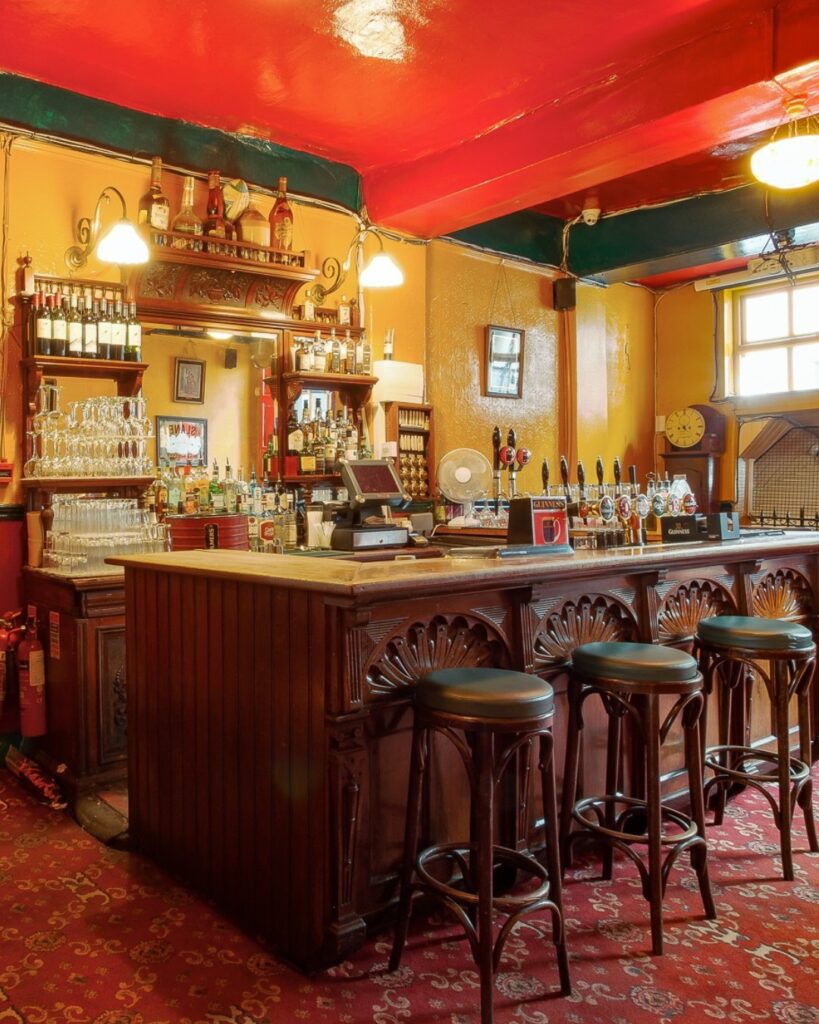
Opened in 1803, Kehoe’s offers a rare glimpse into Dublin’s pub-grocer past. Its front bar still features the original mahogany drawers where groceries were once sold, while customers slipped into nearby snugs to drink discreetly.
In the mid-20th century, it became a haunt of Dublin’s literary crowd — though famously, Brendan Behan and Patrick Kavanagh were occasionally barred for rowdiness. Today, Kehoe’s remains one of the city’s most characterful pubs, balancing historic detail with a lively, local atmosphere just steps from Grafton Street.
Credit: @kehoesdublin via Instagram
Most historians and locals agree that The Brazen Head holds the title, with documented evidence of a pub on the site dating back to 1198. While the building itself has changed, its continuous use as a place of hospitality makes it Dublin’s oldest surviving pub.
Dublin has more than 700 pubs, making it one of the most pub-dense cities in Europe. This concentration reflects how central pubs are to Irish social life — not just as drinking spaces, but as places for music, storytelling, debate, and community.
Irish pub traditions include live, informal music sessions, paying at the bar rather than tables, buying rounds, and the use of snugs for private conversation. In older pubs, you’ll often notice the absence of televisions — a deliberate choice to keep conversation at the heart of the experience.
If time is short, focus on The Brazen Head, The Long Hall, Kehoe’s, Mulligan’s, and The Palace Bar. Together, they capture Dublin’s medieval, Georgian, Victorian, and literary histories — all within walking distance.

LIKED THIS POST? SHARE WITH YOUR COMMUNITY
Plus recieve latest offers, travel inspiration, and discover how your travels will make a positive impact. Together, WE MAKE TRAVEL MATTER®