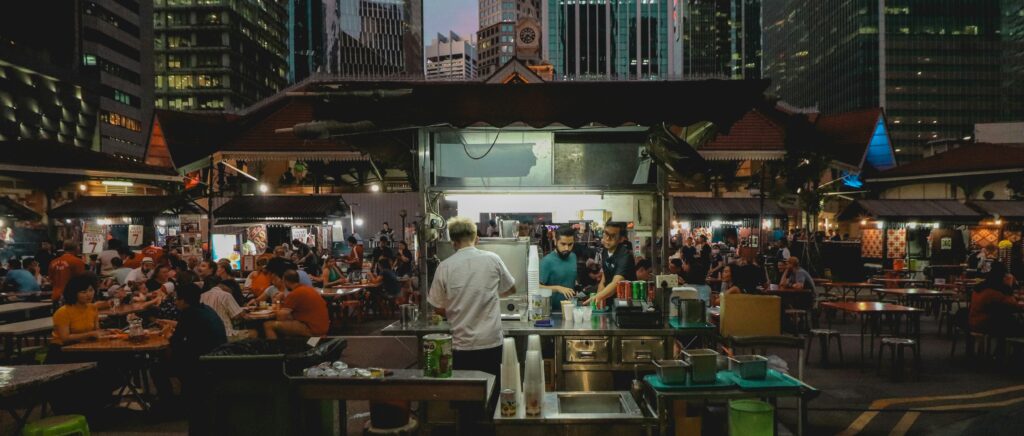
Street Food Cultures Every Traveler Should Experience


While summer often gets all the glory, in Europe it’s really fall that’s for the food-lovers. From wild nuts and mushrooms to prime cuts of meat, across Europe communities have long been harvesting local produce to create dishes that become more than the sum of their parts. With centuries of history in each bowl, these are Europe’s fall dishes that give us a window into a destination’s historic culture.
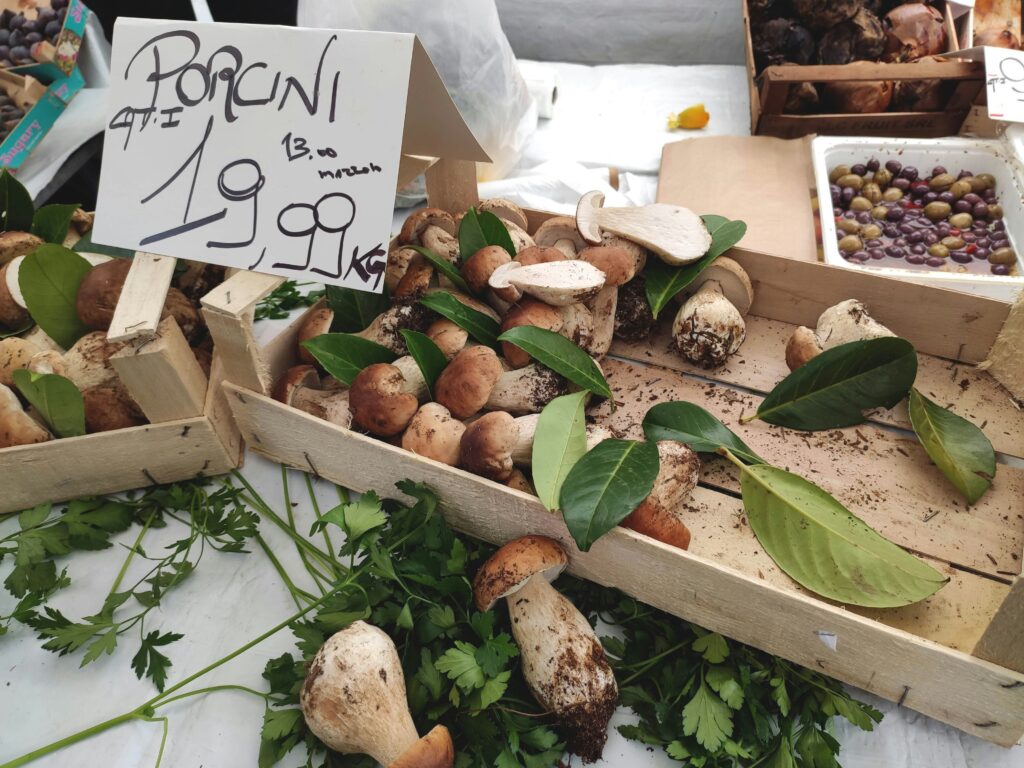
While summer is often cited as the most bountiful time of the year, fall in Italy is for the foodies. You’ll find fresh porcini mushrooms in September, chestnuts and wine harvest in October, and white truffle and olive oil in November. Each piece of treasured produce brings festivities with it. Italy doesn’t just do a harvest festival; communities come together to celebrate their specific local produce. Taste olive oil straight from the pressing during frantoio aperto in Umbria; take part in the Vigneti Aperti (‘Open Vineyards’) harvest in wineries across regions, including Tuscany, Sardinia, Veneto, and Trentino-Alto Adige; visit the prestigious Alba White Truffle Fair in Piedmont; and head north of Rome to Soriano nel Cimino for Sagra della Castagna, a seasonal chestnut festival in late October. One of Italy’s best fall dishes that brings these elements together is Tagliatelle ai Funghi e Tartufo. With sautéed porcini mushrooms, truffle shavings and generous lashings of olive oil, if you can find chestnut pasta there isn’t a more seasonal dish.
Head deep into inland Spain, and one of the country’s heartiest dishes comes into season: rabo de toro, originating in Córdoba in the 19th century. As the traditional bullfighting season came to an end during fall, premium cuts of the dead bulls went to butchers, while offal was distributed either for free or a for a fraction of the price to working class residents. It was the resourcefulness of the peasant communities that turned what many saw as waste into a rich, slow-cooked oxtail stew. It migrated from homes to taberna kitchens, which is where its place as a national dish was secured.
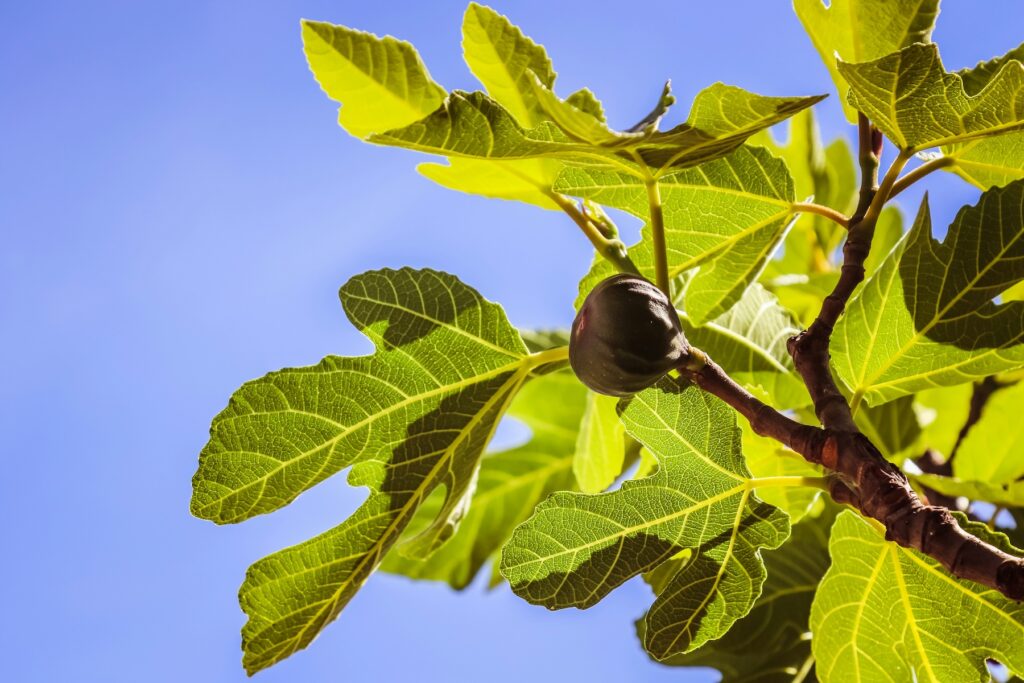
Early fall in Greece is when figs reach peak ripeness. One taste of a plump, juicy fig straight from the tree, and you’ll understand why this fruit is connected to the gods.
In Greek mythology, Demeter, the goddess of agriculture, created the first fig tree to give to the mortal Phytalos, and came to be associated with rebirth and the changing of the seasons. Fig trees were held in such high regard by Athenians that the city’s lawmakers restricted exports of their finest fruits.
Often harvested near Athens in areas like Markopoulo between September and November, fresh figs only last a couple of days — so they need to be used quickly or preserved. You’ll want to eat fresh figs while you can during this short harvest window; as walnuts are also at their freshest from late September through October, pairing the two in a classic salad along with arugula, feta cheese, and a simple olive oil and balsamic dressing ensures each ingredients shines at its peak.
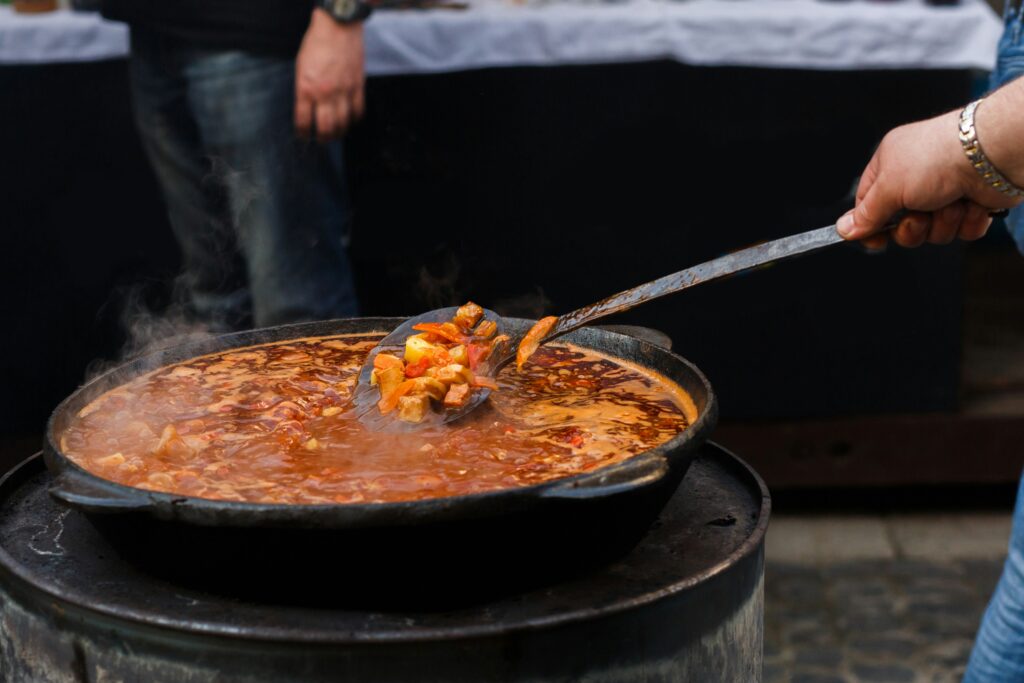
You’d expect to feel connected to a country’s culture when enjoying its national dish, but goulash — known in Hungarian as gulyás — is one of the country’s ultimate fall dishes, holding over 1,000 years of history in each bowl. It’s named after the gulyás, cattle herders who raised livestock on the Great Hungarian Plain as early as the 9th century, who created an early iteration. They slow-cooked beef with wild onions and caraway seeds before dehydrating to make it portable, rehydrating it into a stew when they wanted to eat. Garlic, shallots and Spanish onions made their way into the dish in the late 1400s, while Hungary’s 16th and 17th century Ottoman influence can be found in the addition of tomatoes and paprika.
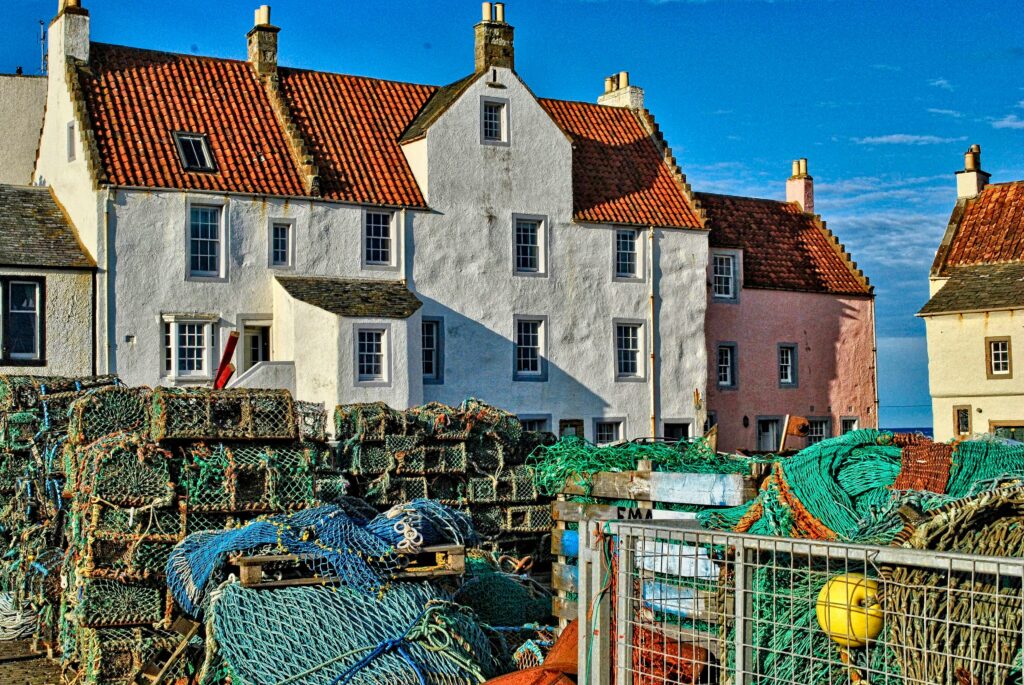
Cullen skink has always had its roots on Scotland’s northern coastline, hailing from the town of Cullen, but this fish chowder was originally made with meat — ‘skink’ historically referred to shin or knuckle of beef. By the 1890s, northern Scotland had become economically isolated, leaving families unable to afford beef. But Cullen had become a thriving fishing town, and so locals swapped in smoked haddock while keeping the dish’s original name. Made with potatoes (‘tatties’), onions and smoked haddock, all of which come into their own in the fall, this warming bowl is perfect after a blustery day on the water.
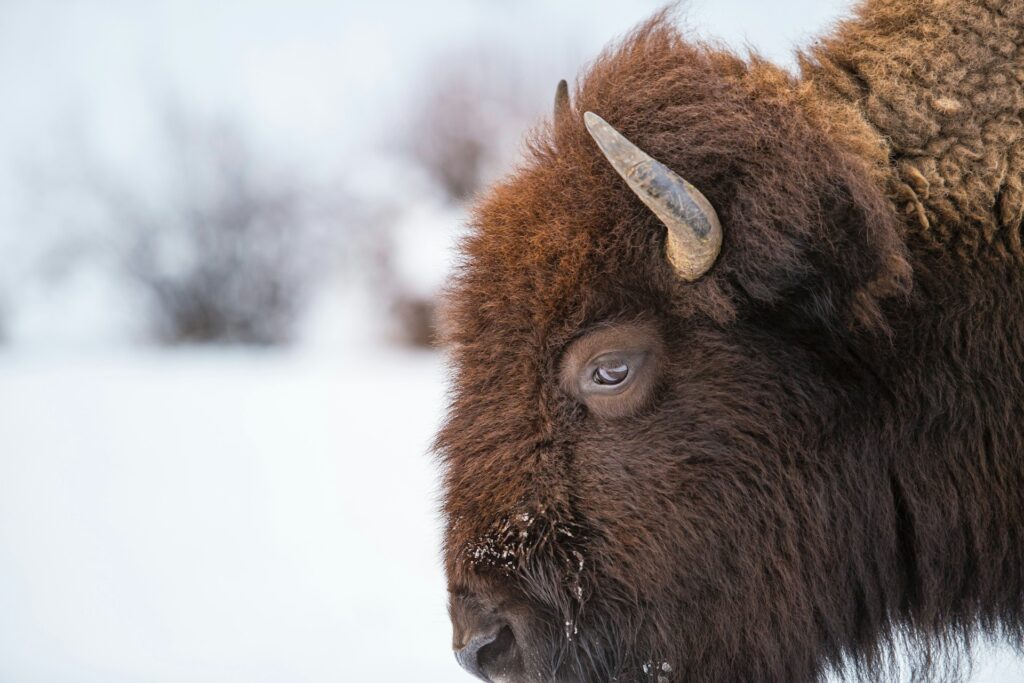
Poronkäristys translates to sauteed reindeer, one of Finland’s fall delicacies. Reindeer meat is at its freshest in autumn, with slaughter season following summer grazing and mating. The Sámi were the first communities to practice reindeer hunt and then husbandry, methods which were then adopted by Finnish peasants and settlers in Lapland during the 1700s. For Poronkäristys, thin slices of reindeer meat are seared in butter and slowly braised with a splash of dark beer or water, served with mashed potatoes and topped with tart lingonberries and pickles.
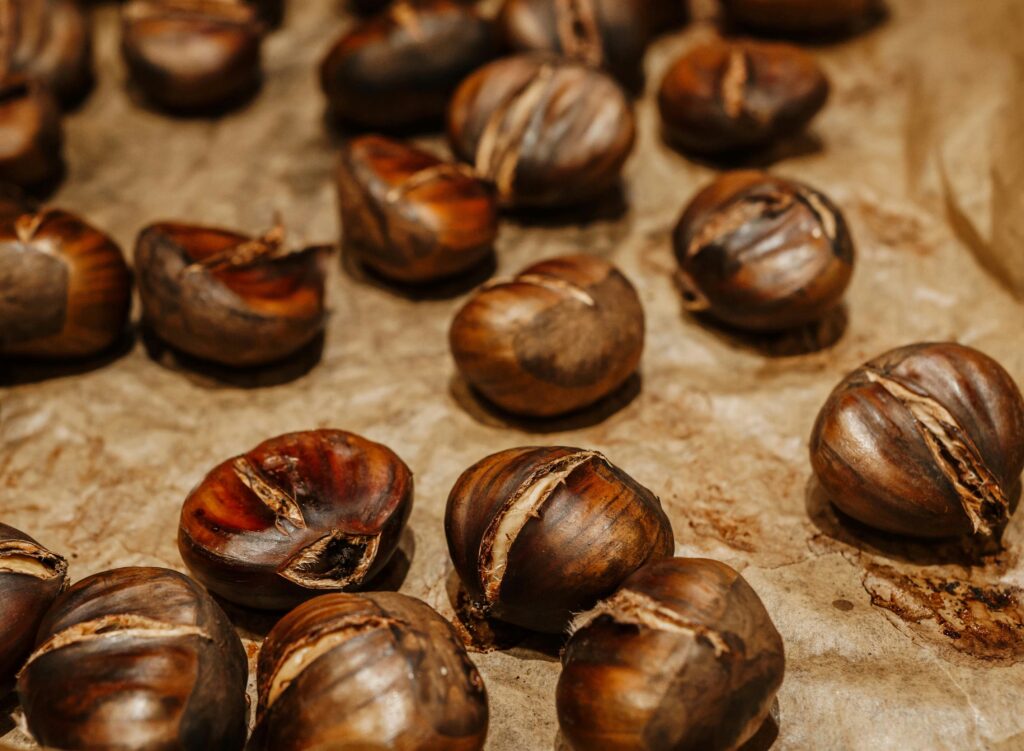
Throughout the hills of northern Italy, each fall the scent of roasted chestnuts has drifted through the streets since the Roman times. Chestnut flour was a huge source of sustinence for peasant communities, as chestnut trees grew in abundance in the Apennine forests across regions like Tuscany, Liguria, Emilia-Romagna, and Piedmont, with peak harvest in October. Used to make pasta, polenta and crêpes, the most beloved use of chestnut flour is castagnaccio, an ancient rustic cake. Made with chestnut flour, pine nuts, raisins and olive oil, this fall dish is baked in the oven and best enjoyed with a generous spoonful of fresh ricotta cheese on top.
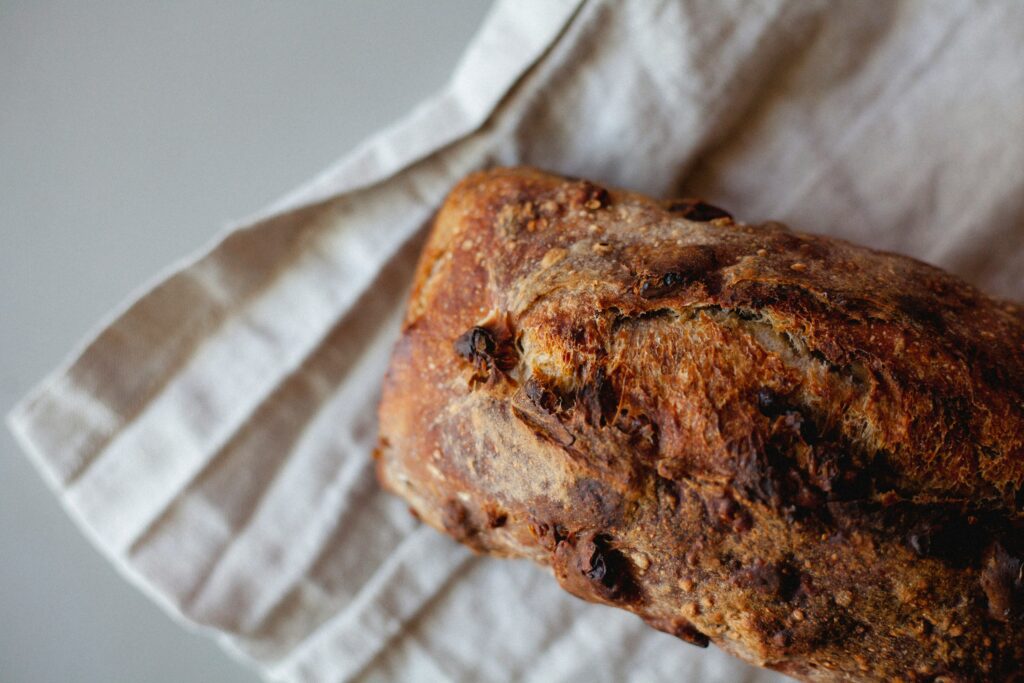
One of Europe’s more superstitious fall dishes, Barmbrack (báirín breac in Irish, meaning ‘speckled loaf’) is Ireland’s fortune-telling loaf cake, Baked to celebrate samhain, an ancient Celtic and Irish festival marking the end of harvest season and the beginning of the darker half of the year, the time when the veil between the living and the spirit world becomes thin (regularly credited as the root of Halloween). Made with raisins and sultanas steeped in whiskey, the loaf also traditionally contained small objects scattered throughout; a coin, pea, cloth, button. What you found in your slice would determine your fortune for the year ahead. Now, instead of a long list of charms there is often just a single ring baked into the loaf, promising marriage or romance for its recipient.

LIKED THIS POST? SHARE WITH YOUR COMMUNITY


Plus recieve latest offers, travel inspiration, and discover how your travels will make a positive impact. Together, WE MAKE TRAVEL MATTER®