Why May is the Best Time to Visit Alaska
May is the month where Alaska wakes up from its long, dark winter and reopens for business. Much of Alaska shuts up shop during the colder months, and though you can catch sports like dog-sledding and witness the Northern Lights, outdoor activities (and forms of transport) are few and far between. Summer often gets all the limelight but May is an underrated month with so much to offer, which is why we think it’s the best time to visit Alaska.
May brings spring, which in turn brings greenery, flowers and sunshine as native animals are waking up from the long winter. You won’t be fighting with peak season crowds and there’s still a chance to see the Northern Lights with dark nights earlier in the month. This is our case for why you should visit Alaska in May.
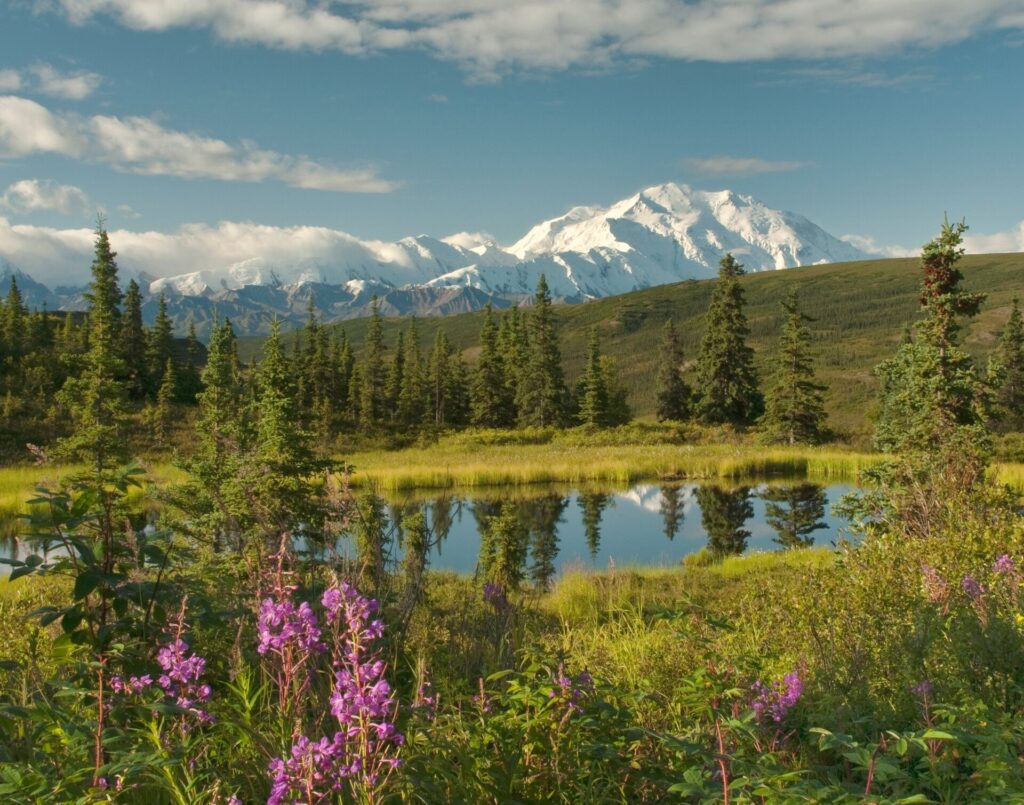
Spring wildflowers in Denali National Park
1. When is the best time to visit Alaska?
The best time to visit Alaska will always depend on your priorities, but generally between May and September offers a good balance of daylight, outdoor activities and good weather. Keep in mind that if you want to see the Northern Lights, it’s best to visit between September to April.
Peak summer months from June to August are warmest – but this is also the busiest time of year with lots of crowds (and mosquitos), which is why we think May is the best time to visit Alaska. May in Alaska brings warmer weather, new life throughout the state’s flora and fauna, and a calmer atmosphere outside of peak season.
2. 6 reasons to visit Alaska in May
1. First signs of spring
May is a seriously transitional month in Alaska. Come in the first week or so, and it’ll still feel like deep winter with daytime temperatures averaging around 46ºF (8ºC). However, around mid-May leaves have appeared on the trees, temperatures are climbing up to around 60ºF (15ºC), snowmelt makes way for wildflowers, and summer is in the air (even though it’s still technically spring). May is also one of the driest months in Alaska, so you’re able to make the most of the sun compared with June or July when the weather may be warmer but wetter – but of course, always come prepared for all weather eventualities!.
Each day in May gains an extra 5 minutes of daylight, clocking up around 18 hours of daylight towards the end of the month. Even in early May the sun doesn’t set until nearly 11pm in Anchorage, meaning more time for exploring the newfound spring life.
2. Wildlife
With warmer weather and budding flora, hibernating and migratory animals return to Alaska in May, from bears and moose to gray whales and plenty of bird species.
May is a great month for spotting black and coastal brown bears, which emerge from their hibernation den with new cubs. May is the earliest month you’ll be able to catch sight of bears. While they won’t be catching salmon swimming upstream (the first salmon run isn’t until June), they’ll likely be digging for clams, foraging for berries, and raising their cubs.
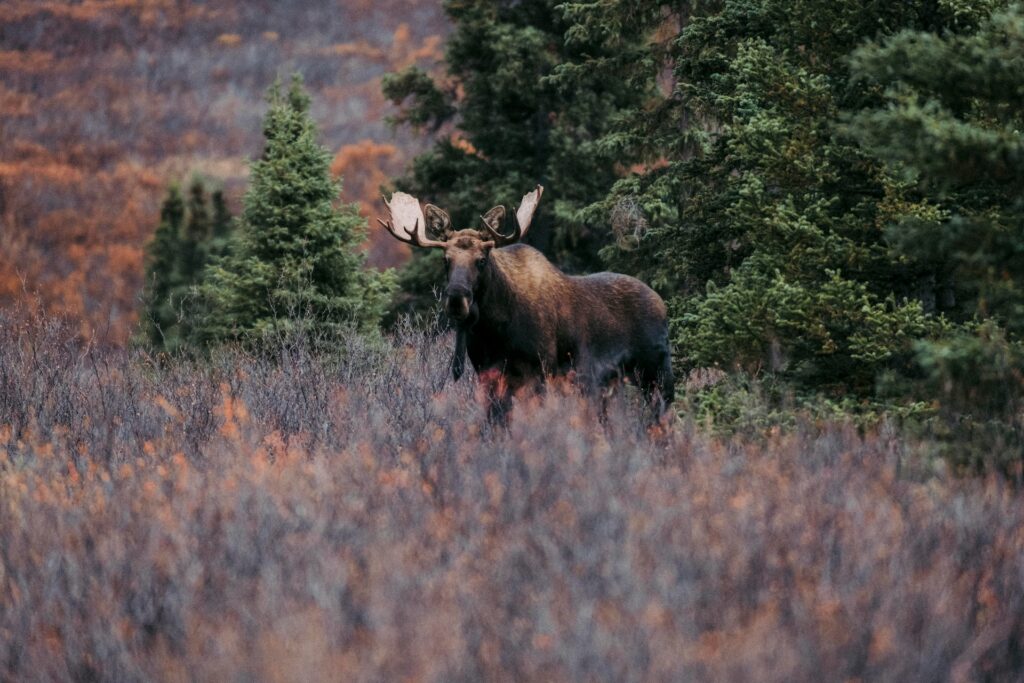
Moose migration takes place in May across Alaska
You’ll also have a greater chance to seeing the mighty moose during May, as they migrate to birth their calves at the end of the month. The snowmelt opens up a whole new food source for them, and moose will often gather in low-lying areas including Denali and Anchorage – Anchorage has a population of around 1,500 moose, making it one of the best places in Alaska to spot them.
DISCOVER MORE ON
Jewels of Alaska TOUR
If you’re in Alaska in May, don’t forget to look up – migratory birds return to the state in enormous numbers, with the Kachemak Bay Shorebird Festival and Copper River Shorebird Festival both celebrating bird migration. Migrating cranes fly in their thousands over Tok and Big Delta in May, with over 200,000 passing through the area. Migratory songbirds such as thrushes, juncos and kinglets arrive, and you’ll hear them singing in forested regions.
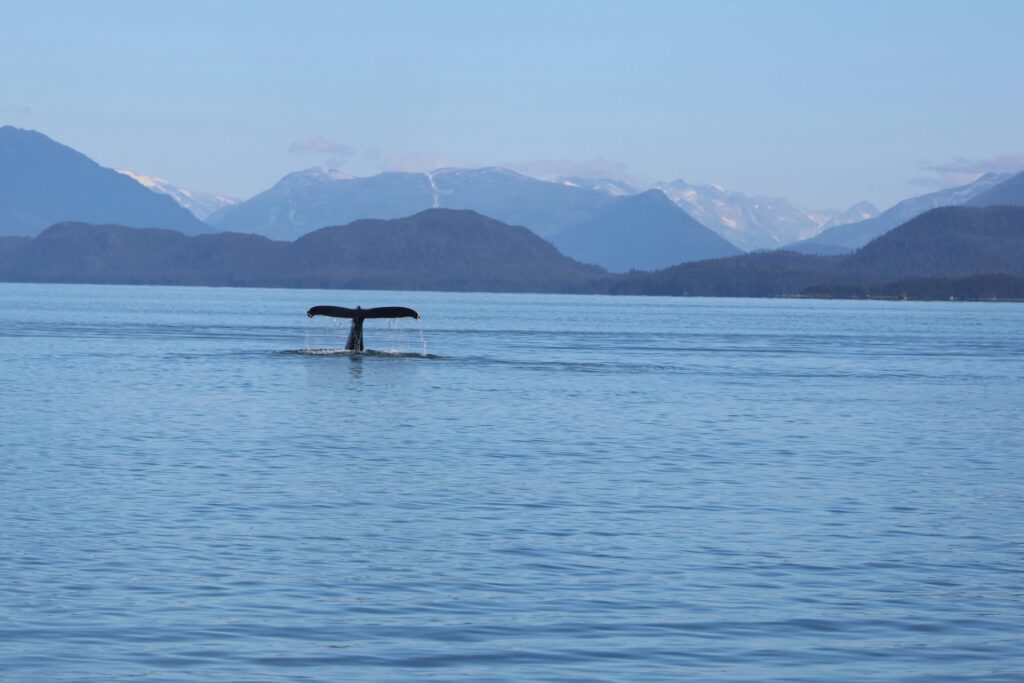
There are over 12 whale species in Alaska
May offers a unique chance to see a variety of whale species; it’s the overlap month between gray whales (April to May), the first to arrive as they migrate north from Baja California, humpback whales (May to September), which return to Alaska each summer to find food, and orcas, which are present all year round but have particularly high sightings in May and June as they become more active and follow the salmon runs.
The May ice melt also sees beavers begin to rebuild their dams and forage for fresh vegetation for their young across Alaska’s wetlands, lakes, and streams – Potter Marsh in Anchorage and Horseshoe Lake in Denali National Park are some top spots to see beavers.
With such a diverse range of flora and fauna returning to the area, it’s easy to see why May is the best time to visit Alaska for nature enthusiasts.
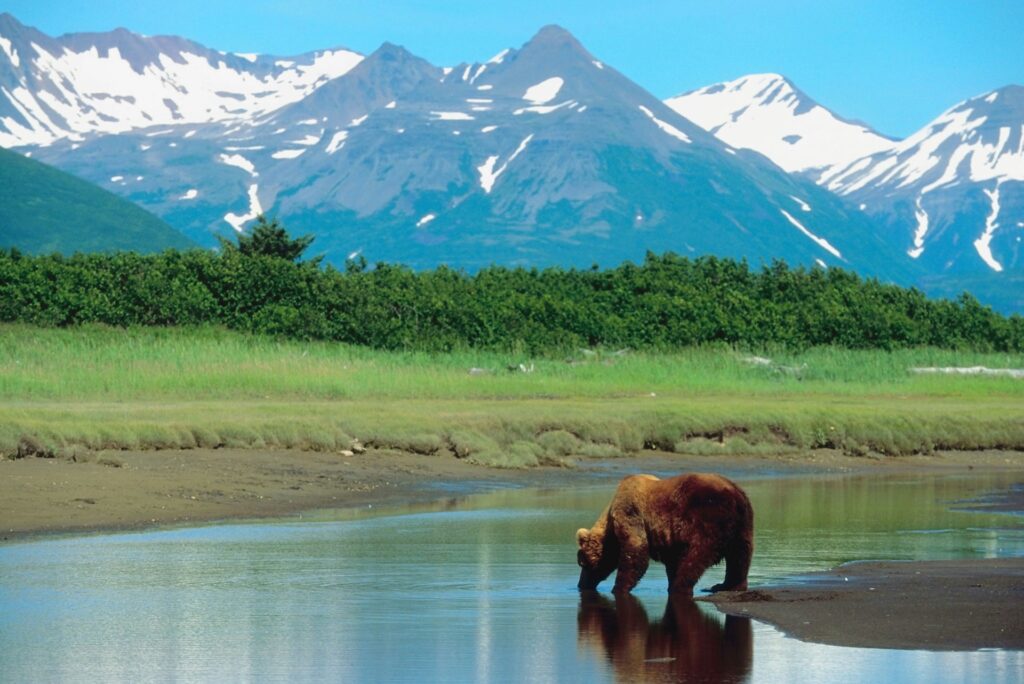
Brown bears raise cubs in May
One of the best opportunities to see Alaska’s wildlife is on our Jewels of Alaska itinerary. You’ll embark on an extensive Tundra Wilderness Tour through Denali National Park, immersing yourself in the heart of Denali’s wilderness and seizing unparalleled opportunities to witness its captivating wildlife. You’ll embark on an exhilarating journey through the awe-inspiring Denali Highway, a 135-mile road running through the foothills of the Alaska Range, once the only access road to Denali National Park and now the ultimate insight into this vast wilderness.
You also have the option of joining a guided walk through Denali’s subarctic landscape with a naturalist, who will share insights into Denali’s geology and glacial past as you explore boreal forest and tundra, learning how plants and wildlife adapt to extreme conditions.
3. Fewer crowds
Alaska’s peak season is June through August, generally because this is the warmest period of the year, and it’s when the midnight sun makes an appearance. However, travel in May and you’ll be able to appreciate Alaska’s vast wilderness and unique wildlife relatively undisturbed, without the summertime throngs.
Save up to $3,000* per couple on your first Premium Tour
Plus receive latest offers, travel inspiration, and discover how your travels will make a positive impact. Together, WE MAKE TRAVEL MATTER®. Subscribe Now4. Avoid mosquitos
You won’t just avoid busy crowds when you travel to Alaska in May – you’ll also avoid the pesky mosquitos that make an unwelcome appearance in June and July. We’d still recommend bringing bug spray with you, particularly if you’ll be hiking near ponds or standing water, but it’s unlikely you’ll be battling the bugs when traveling earlier in the summer.
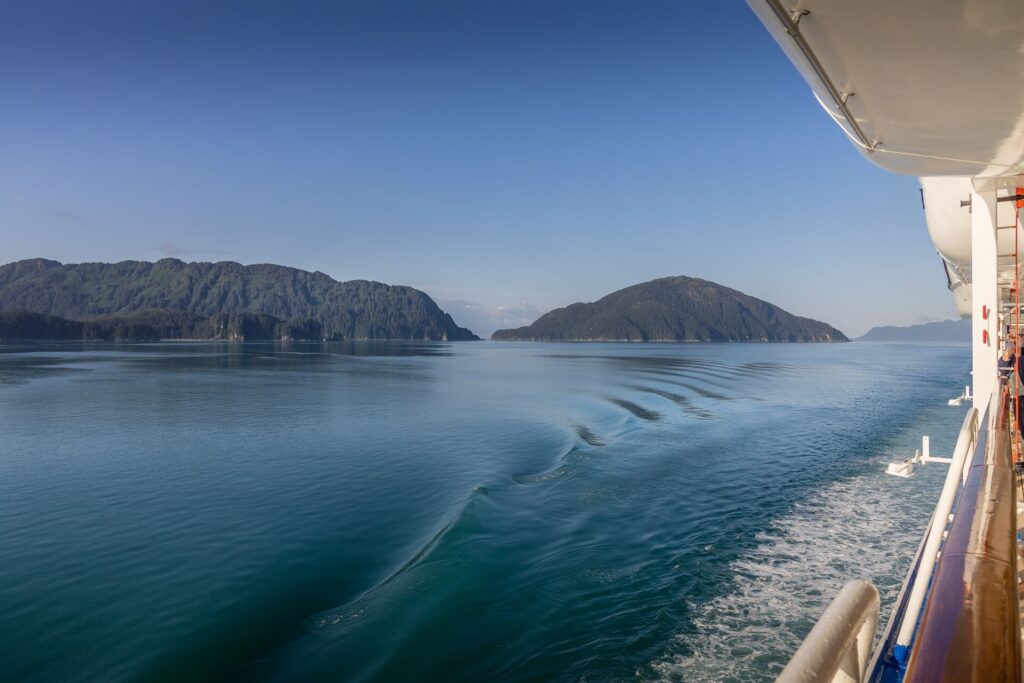
See Alaska’s magnificent glaciers via boat
5. Go cruising
With warmer temperatures comes extra modes of exploration – namely by water, once the winter ice has melted. Alaska’s glaciers are some of the most magnificent sights, best seen by boat. Visit in May to see the vast glaciers up close on the 100-mile 26 Glacier Cruise when you travel with us, while earlier in the season offers more dramatic surroundings with snow on the mountains, brighter blue ice and clear days.
6. Roads & services open
Though Alaska’s national parks are technically open all year round, mid-May is also when many parks and attractions open; Denali National Park visitor center opens on May 20th. It’s also when public transport is back in action, and main roads reopen and are cleared of ice – so if you’re thinking of transporting yourself around Alaska (not something you have to worry about when you travel with us), we wouldn’t recommend arriving earlier than May.
3. When can you view the Northern Lights in Alaska?
Alaska is an excellent location for witnessing the Northern Lights. Generally the best time to visit Alaska to catch sight of the aurora is between September and April, but there can be some wiggle room either side depending on how far north you are. March and September in particular are active months for the Northern Lights, which become more active during the spring and autumn equinoxes.
The Northern Lights occurs throughout the entire year, we just can’t always see them as conditions need to be very dark and clear, so for many months they’re simply not visible. It is possible to see the Northern Lights in May between midnight and early morning, if you’re very far north and in an area with little light pollution – Denali National Park and Fairbanks are both good options. However, if you’re in southeast Alaska in May, sightings are highly unlikely. The region is a temperate rainforest, often experiencing cloudy skies and precipitation – not ideal aurora weather.
4. What animals live in Alaska?
Alaska has its own ‘Big Five’: brown bears, moose, caribou, Dall sheep and gray wolves. These are the state’s most iconic mammals, but there are over 1,000 other animal species you’ll see (and some you won’t) that call Alaska home.
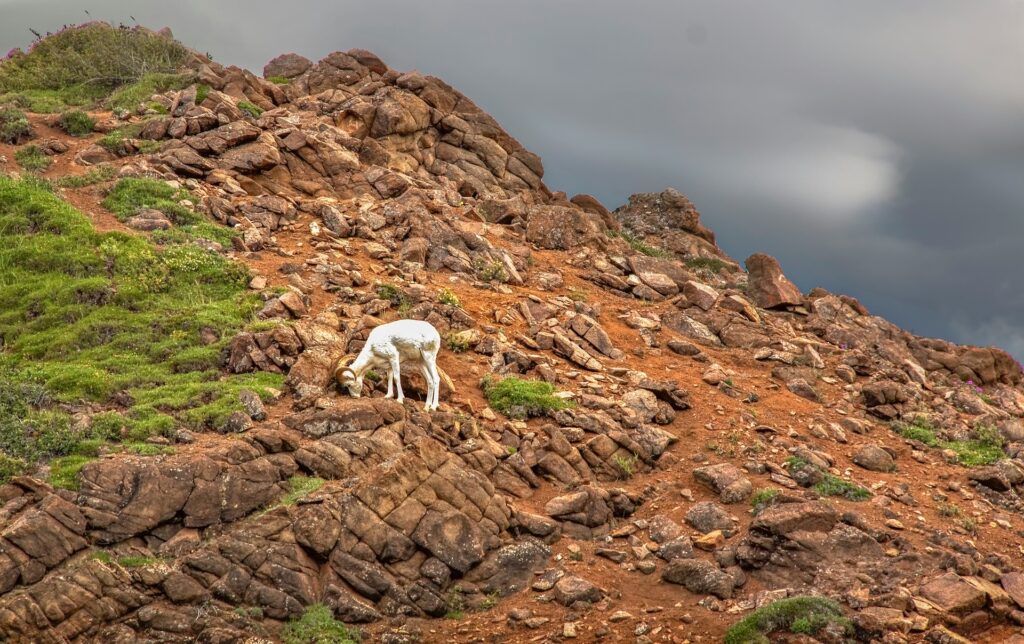
Mountainous Dall sheep calll Alaska home
Around 30,000 brown bears live in Alaska – that’s 95% of the total brown bear population in the U.S. and 70% of all brown bears in North America. There are also over 32 herds of caribou made up of 900,000 animals, and around 160,000 moose roaming the state. Though they are elusive and rarely spotted, there are an estimated 8,000 gray wolves that call Alaska home, the largest remaining population of gray wolves in the U.S.
Alaska’s biodiversity extends well beyond land. Its 6,640 miles (10,600 km) of coastline (clocking up to 34,000 miles if you include its islands and archipelagos) is home to abundant marine life including sea otters, seals, sea lions and over 10 whale species – plus animals such as beavers and river otters making their homes in its lakes and streams. For example, the Kodiak River otter can only be found in Alaska, on the Kodiak Archipelago.
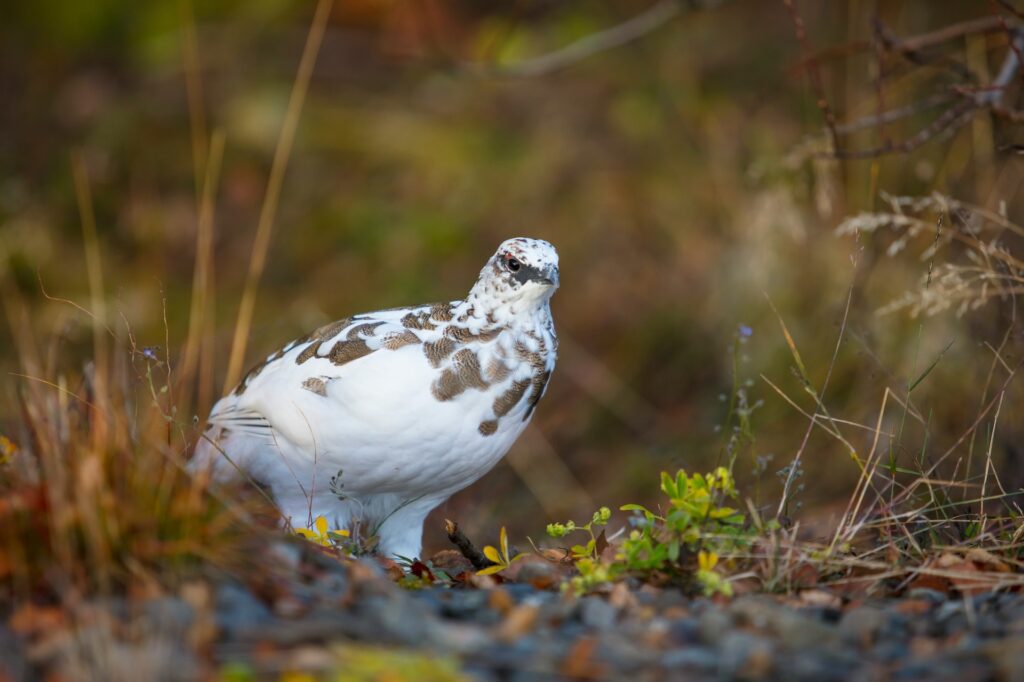
The willow ptarmigan, Alaska’s state bird
Birdlife in Alaska is another highlight, with over 500 species; some of the most prominent species include the majestic bald eagle, characterful puffins, reclusive snowy owls, leggy sandhill cranes and elegant trumpeter swans.
Keep an eye out for the willow ptarmigan (also known as the willow grouse), Alaska’s official state bird. The chameleons of the sky, their feathers change with the seasons: brown and auburn in the summer to snow-white in the winter, helping them stay hidden.
Visit Alaska in May with Insight Vacations, and see the largest U.S. state in style.
About Jess Williamson

Jess is an experienced writer and editor, with 6 years' experience working within the whisky industry. Her work has taken her to Scotland and beyond, while her personal travel highlights include backpacking around Vietnam with her sister, trips to California, Madrid, and the Greek islands.
LIKED THIS POST? SHARE WITH YOUR COMMUNITY
Keep exploring