Good Vibrations: How Peru's Unique Spirituality Sets it Apart

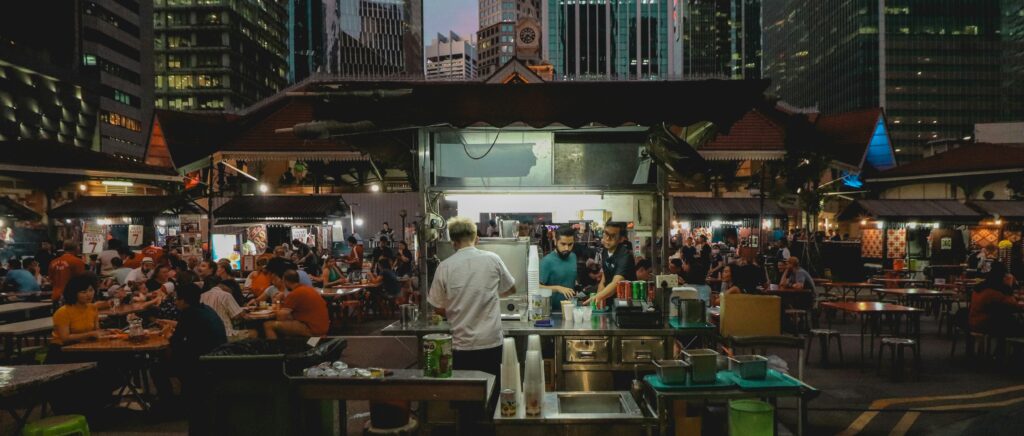


If you were asked to name the best city for food in the world, chances are Lima wouldn’t be the first answer that comes to mind. Yet spend even a short time eating your way through Peru’s capital, and the question begins to feel oddly misplaced. Lima doesn’t announce itself as a food city in the way Paris or Tokyo might. Instead it reveals itself slowly, through variety, depth, and a sense that every plate is part of a much longer story.
That story is one Peruvian chef Ignacio Barrios has dedicated his career to sharing through interactive cooking experiences. At Urban Kitchen in Lima, visitors don’t just taste Peruvian food, they learn where it comes from, why it exists, and how it reflects the country itself. “We’re trying to showcase Peruvian food and culture via an experience”.
To understand why Lima’s food scene feels so complete, you have to look backwards.
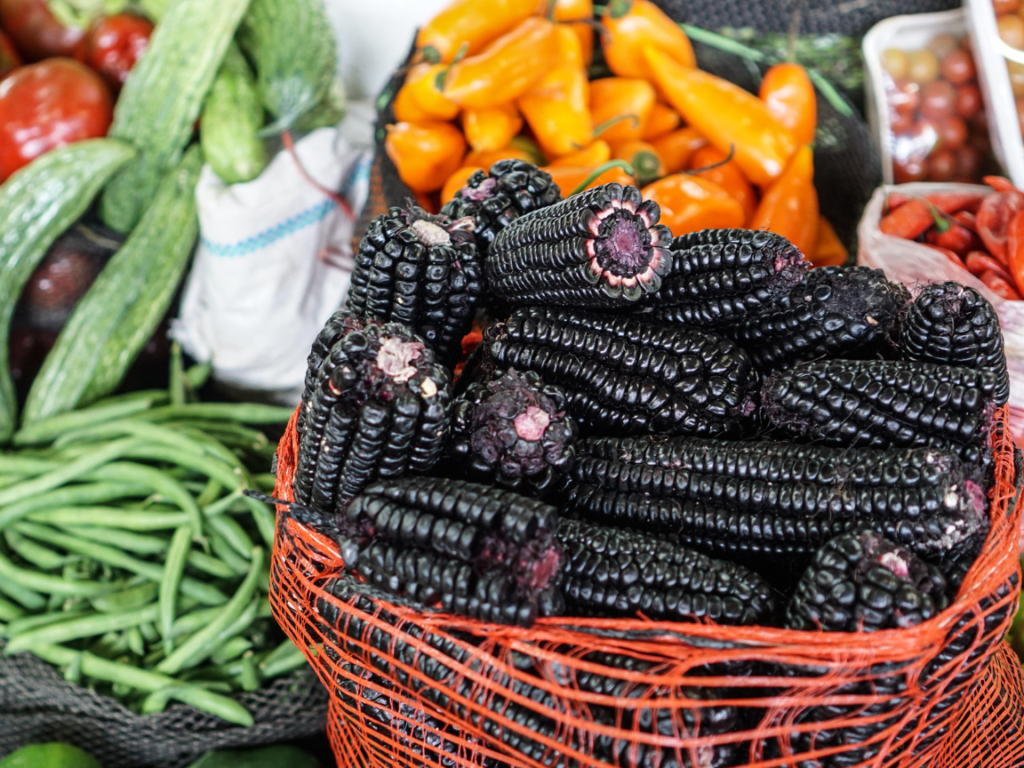
Long before Spanish colonisation, Indigenous communities across Peru cultivated an extraordinary range of crops: potatoes (thousands of varieties), maize, chillies, cacao, quinoa. Cooking was deeply tied to landscape, seasonality, and ritual. When the Spanish arrived in the 16th century, they brought wheat, livestock, dairy, and new techniques, but Indigenous ingredients remained central.
Then came further waves of influence. Enslaved Africans adapted European ingredients to their own traditions, shaping dishes that still anchor Lima’s street food culture today. In the 19th and early 20th centuries, Chinese and Japanese migrants arrived, bringing wok cooking, soy-based seasonings, precision knife work and respect for raw ingredients. Rather than replacing existing traditions, these influences folded into them.
“So you have the Asian influence, which is the Chinese and Japanese, which is Chifa or Nikkei. Then you have like the traditional sort of Peruvian from like our heritage and our background. Then you have some cuisines or dishes mixed with the Spanish influence. You can also find skewers in the street that are anything with African… Then you have cevicherias… Then you can find restaurants that cook food from the north of Peru, from the jungle, from the south…”
You’re tasting centuries of migration, trade routes, colonisation, adaptation, and invention, often in a single day of eating. What makes Lima exceptional is that none of this was lost. Instead, it accumulated, creating a culinary culture where fusion cuisines organically came into being.
Lima is often described as Peru in miniature. Nearly a third of the country’s population lives here, and with them comes food from every corner of the nation. The result is a city where the diversity of the country’s produce, peoples and delicacies shines through.
“If you do three days in Lima,” Barrios notes, “you can probably eat, everyday, every meal in a different style restaurant.” Not different cuisines imported wholesale from elsewhere, but something more nuanced: “You’re going to try different styles, but all of it from food from Peru.”
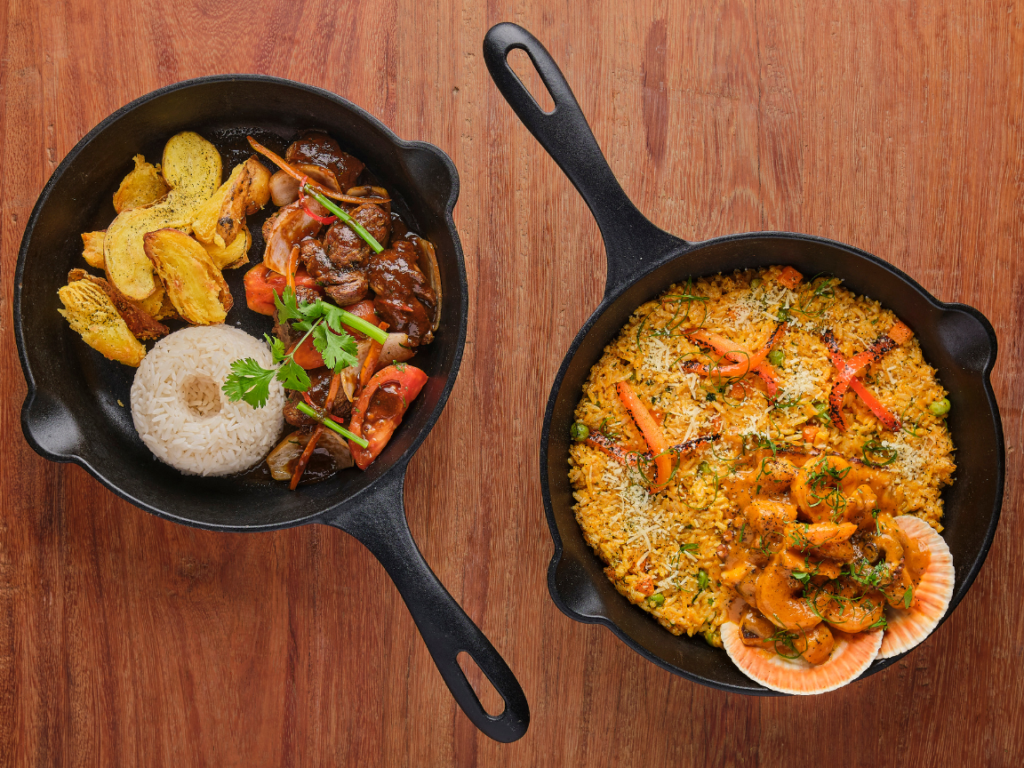
That distinction matters. In Peru, there is a whole world of unique schools of cuisine which has developed organically. Chinese and Japanese influences, results of large immigrant communities from these countries, have created the chifa and nikkei cuisines respectively. Peruvian cooking consists of Spanish techniques using Indigenous ingredients. African heritage also shows up in street food and slow-cooked stews. Then there is the cornucopia of fantastical, unique ingredients that is the huge Amazon rainforest. Regional cooking from the coast, the Andes, and the Amazon all converge here in Lima.
List them out and the scale becomes clear: cevicherías specialising in seafood pulled straight from the Pacific; grills echoing Afro-Peruvian traditions; restaurants rooted in highland cooking; menus inspired by jungle produce.

Chifa comes from the Chinese phrase “chi fan”, meaning “to eat rice,” and refers to the Chinese-Peruvian cuisine that developed after Chinese migration to Peru in the 19th century.
Peru’s geography plays an equally important role. Few countries can draw on such dramatically different ecosystems within such close reach, and that abundance underpins the creativity of its cooking.
“Peru has such a big biodiversity that we can we grow many, many, many ingredients now. And the example that I usually use is like, imagine that when I cook something in your house, you open your fridge and you have chicken, onions and milk. Not too much combinations, right? But if you just went to a supermarket and you have your fridge full and you have spices and you have chicken and fish and fruit and vegetables, then you can do many combinations. And that’s what happened to us. Our country, which is our fridge, is full of produce. So at the end, the combination of the amount of things we can do is very big. So our idea of our dishes is flavorful and very big as well.”
This biodiversity, stretching from the Pacific Ocean to the Andes to the Amazon, gives Lima chefs access to ingredients that many cities simply can’t replicate. It’s also why Peruvian cooking resists strict categorisation: it’s at the same time coastal and mountainous, refined and rustic, ancient and modern.
“I would say that my love of cooking comes from eating. I love to eat… And then I do see connections with my grandmothers. Both my grandmothers were amazing cooks. One actually went to cooking school, probably 70 years ago here in Lima. I still have family recipes.”
That matters in Peru, because food isn’t treated as a niche interest, it’s identity. That sense of responsibility shows up everywhere in Lima: in the pride around regional traditions (from the coast, the Andes, the jungle), and in the way new influences get absorbed without losing the thread of what makes something unmistakably Peruvian. That responsibility shows up in how Lima’s chefs approach innovation. Rather than chasing novelty for its own sake, the city’s best restaurants build outward from tradition refining, reinterpreting, and sometimes reassembling familiar dishes without losing sight of where they began.
“For us in Peru, food is part of our identity…cooking Peruvian food and promoting Peruvian food in a way is sort of a responsibility… trying to promote our country as much as we can.”
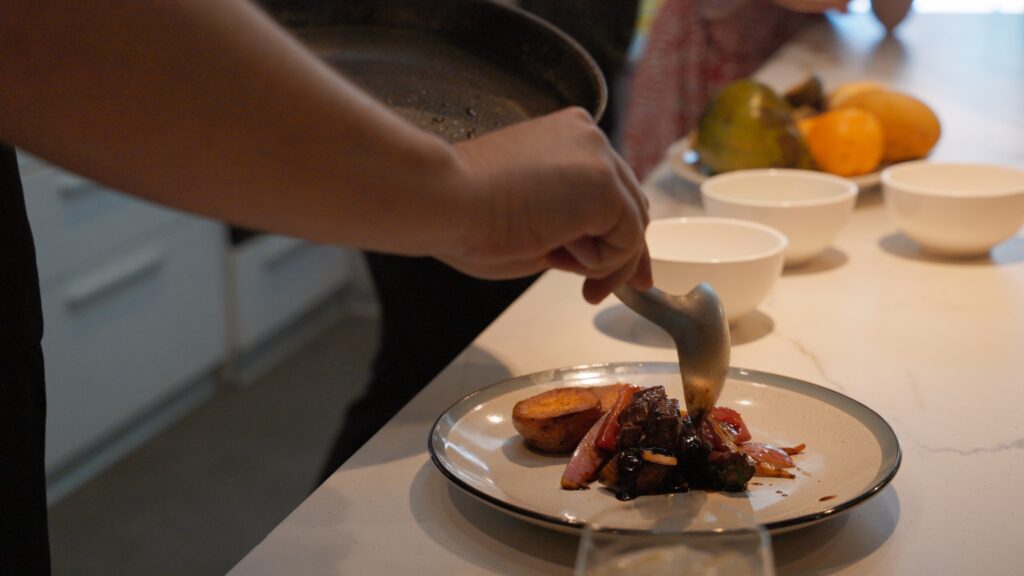
We asked Chef Ignacio what someone should eat in Lima if they only have one chance. “If you come to Peru or to Lima and you can only try one or two things,” Barrios suggests, “I’ll maybe do ceviche and lomo saltado.”
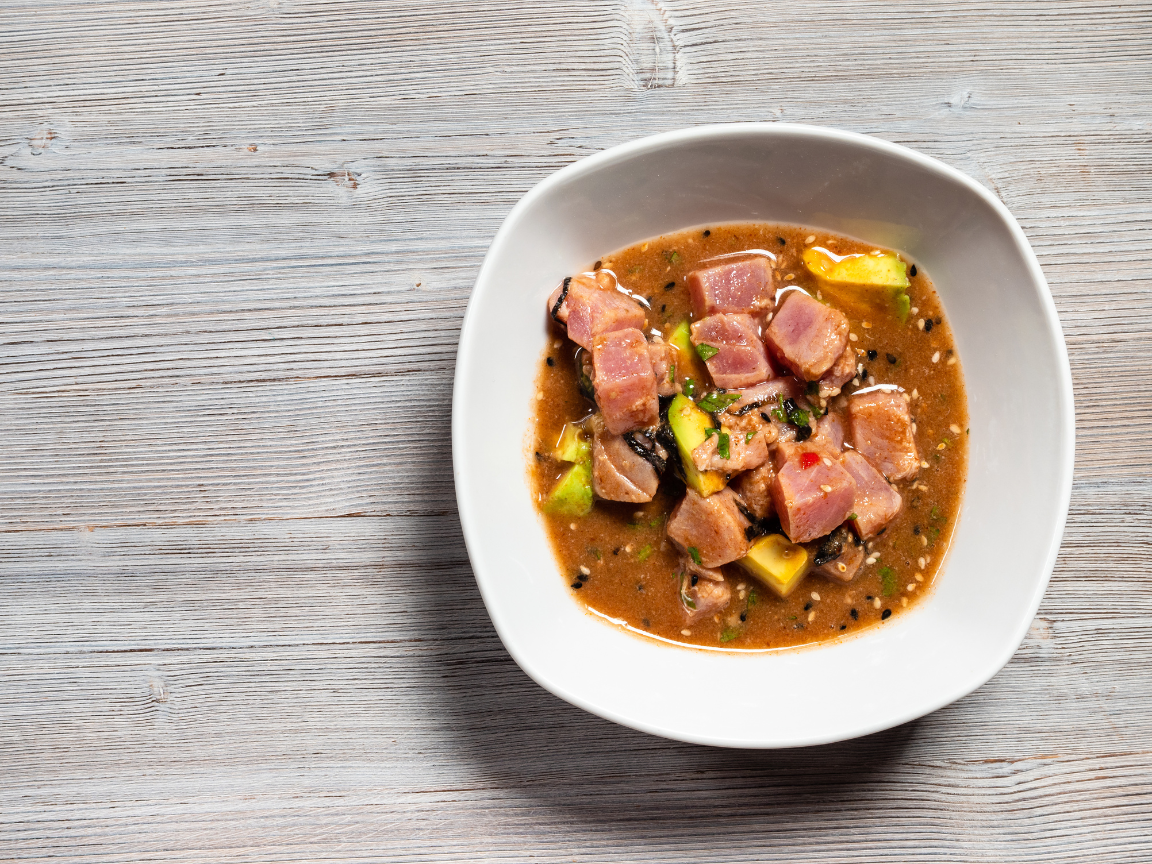
Together, they tell Lima’s story perfectly. Ceviche reflects the coast: fresh fish, citrus, heat, balance; simple on paper, exacting in practice. Lomo saltado speaks to migration and adaptation: stir-fried beef, onions and tomato, born from Chinese influence and made unmistakably Peruvian.
It’s no coincidence that lomo saltado remains close to Barrios’ own heart. “Right now,” he says, “[my signature dish is] lomo saltado. I love to prepare it. People enjoy it a lot.”
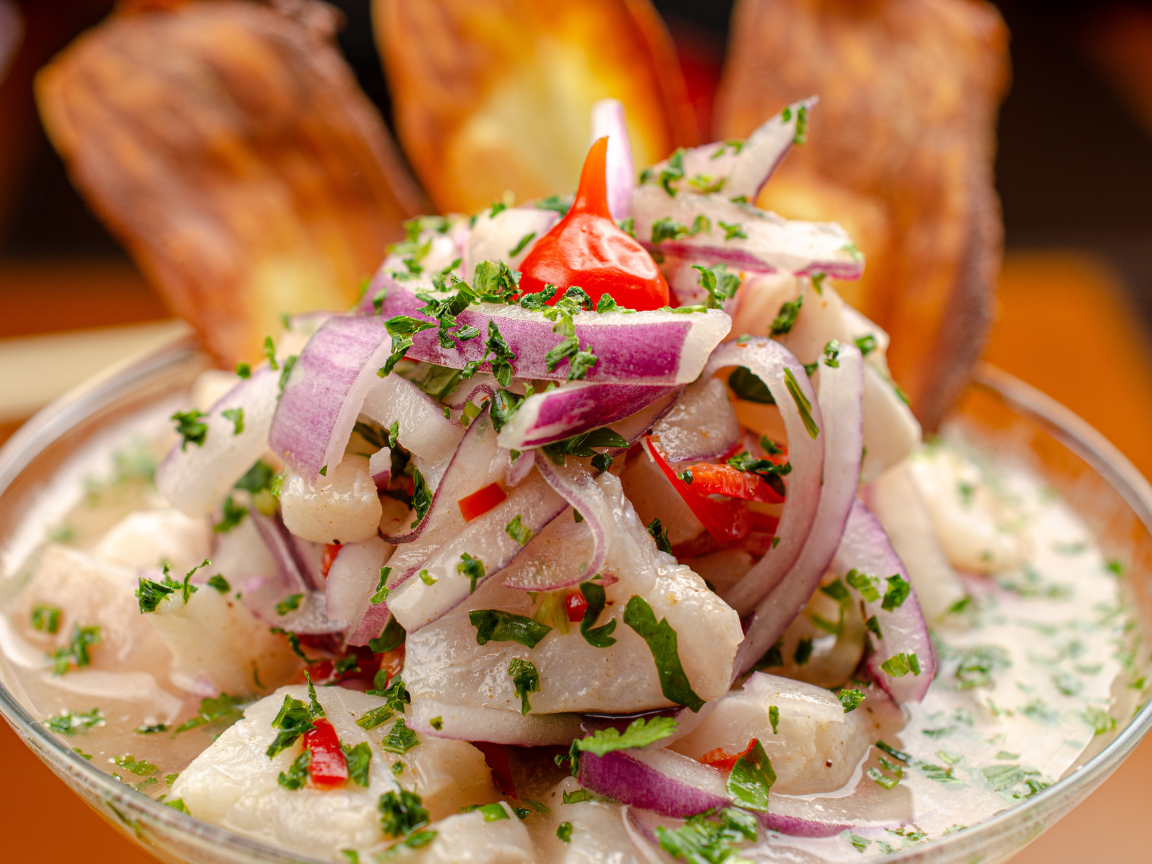
Ceviche is widely considered to have originated over 2,000 years ago in Peru with the Moche civilization.
Lima’s rise isn’t driven by hype alone. In recent years, the city has become one of the most consistently represented destinations on The World’s 50 Best Restaurants. In 2023, Central was named the best restaurant on the planet; in 2025, Maido took the top spot, with several other Lima restaurants also ranking globally.
What’s striking is that this recognition hasn’t narrowed the city’s food culture. If anything, it’s amplified it. Fine dining exists comfortably alongside humble lunch counters. Innovation thrives without erasing tradition.
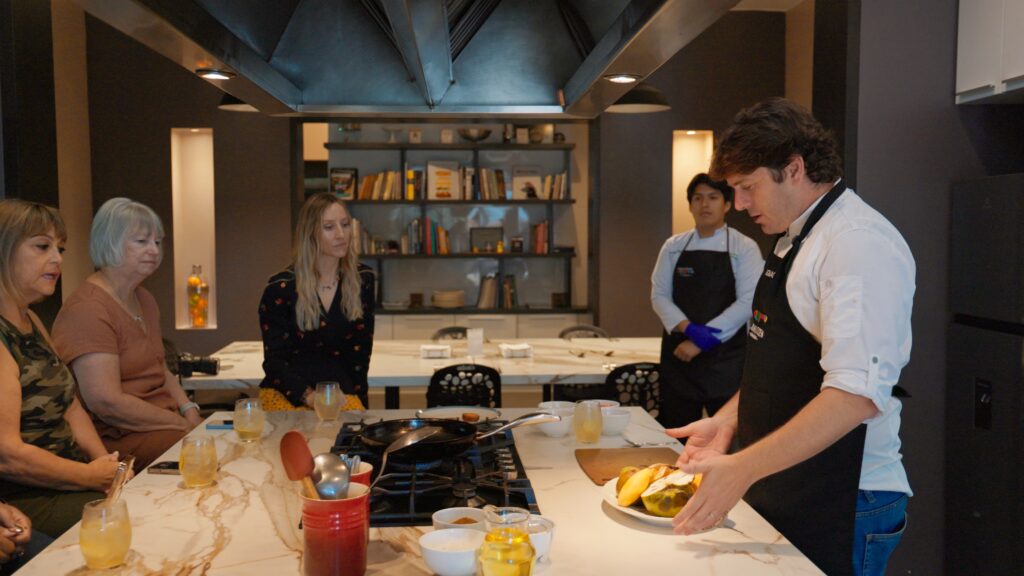
Meet Chef Ignacio’s team at his cooking school and learn all about Peruvian cooking.
Lima may be the gateway, but it’s only the beginning. The flavors you encounter here echo through the Sacred Valley, Cusco and beyond, places where food, history and landscape are inseparable.
On an Insight Vacations tour through Peru, Lima’s culinary depth is paired with immersive experiences across the country, like the cooking class with Ignacio. You’ll go to his school in Lima and learn all about this rich history, just a small part of a wider journey guided by experts who help connect each dish to the place it comes from. It’s a way of traveling that mirrors Peruvian cuisine itself: layered, thoughtful, and grounded in genuine connection.
If the best city for food in the world is one that tells its story through every bite, Lima makes a compelling case — quietly, confidently, and with extraordinary generosity.

LIKED THIS POST? SHARE WITH YOUR COMMUNITY
Plus recieve latest offers, travel inspiration, and discover how your travels will make a positive impact. Together, WE MAKE TRAVEL MATTER®