Insight Investigates: Why Spain Is Considered The Most Passionate Of All European Destinations
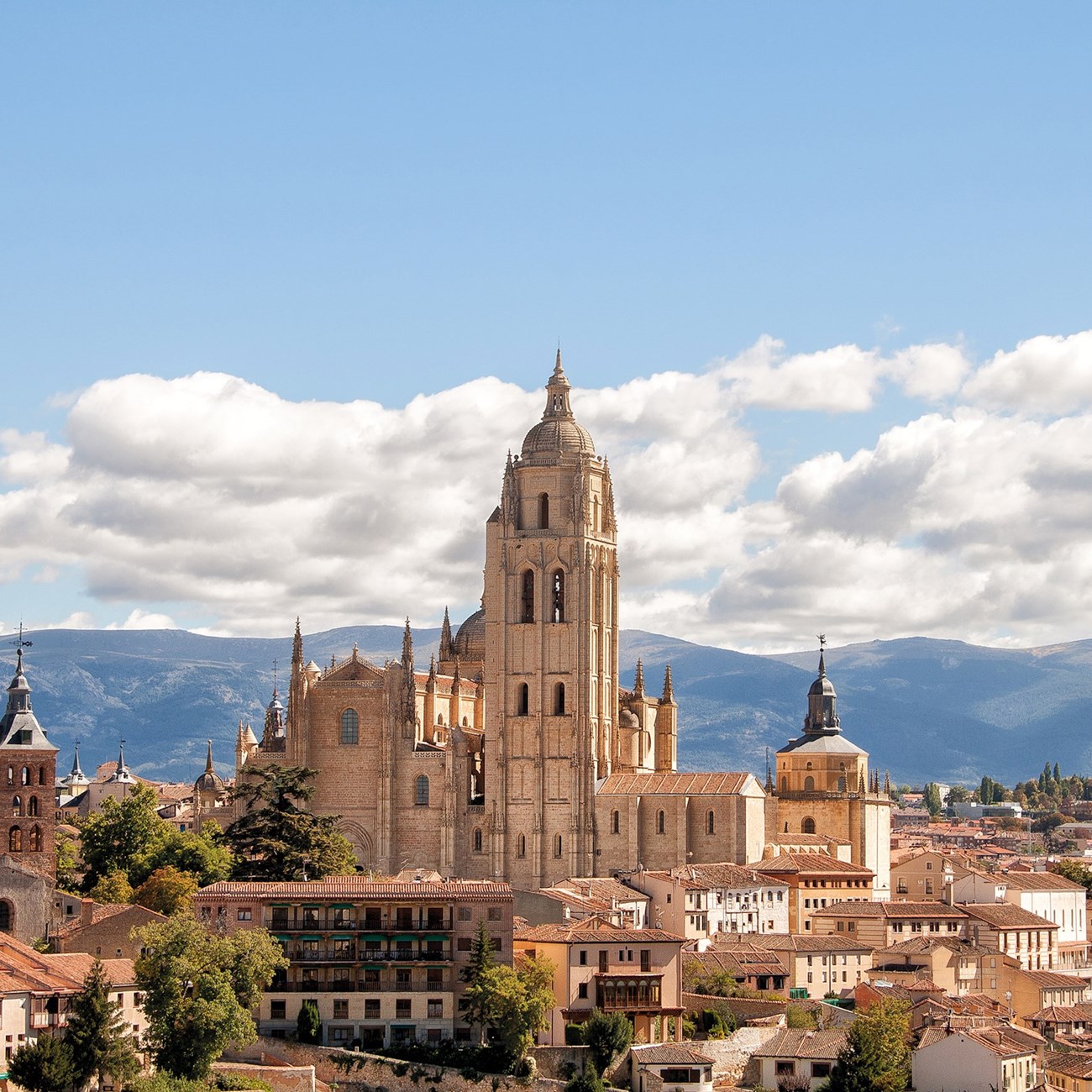


Spain’s history isn’t just found in textbooks; it is etched into the skylines of its cities. For any traveler, the sheer variety of the landmarks in Spain offers a look into the diverse cultures—Roman, Moorish, and Christian—that have shaped the Iberian Peninsula over two millennia. Especially on an Insight Vacations tour, where you’ll see them through the eyes of experts and local guides who can point out the details most tourists walk right past. That might be the gravity-defying arches of Segovia, or the intricate tilework of Seville; these are the 12 essential Spain landmarks to include on your travel itinerary.
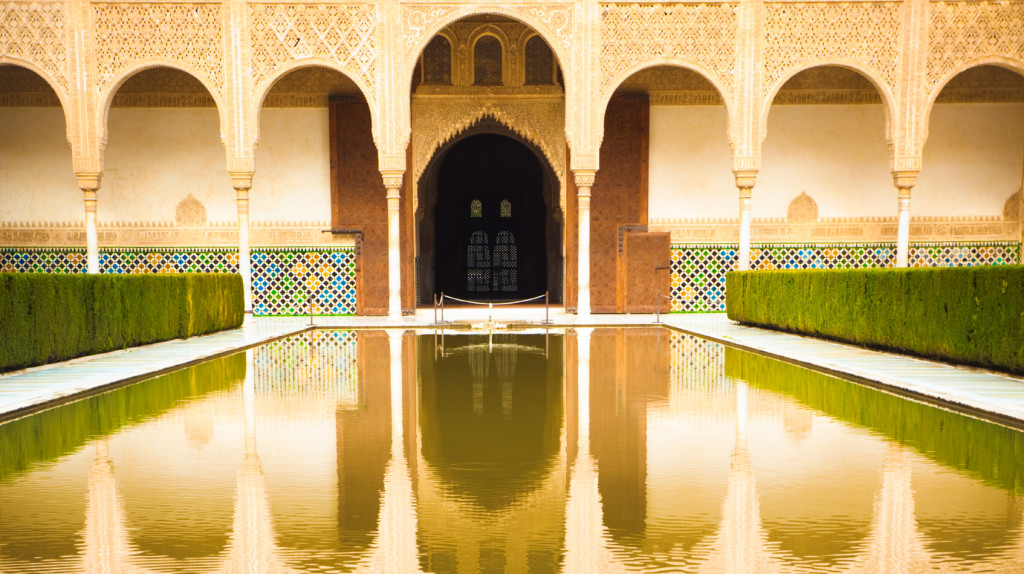
Alhambra Palace, Granada
Antoni Gaudí’s basilica is arguably the most recognizable of all the Spain landmarks. While the exterior’s Nativity Facade looks like melting wax or coral, the interior is where Gaudí’s genius truly shines. He designed the columns to mimic a forest; they branch out at the top to support the ceiling, creating a geometric canopy that eliminates the need for traditional flying buttresses:
“These ascending helices (typical of Baroque Solomonic columns) draw the viewer’s eye upwards, reinforcing the feeling of verticality and connecting the earth to Heaven.”
Source: Sagradafamilia.org
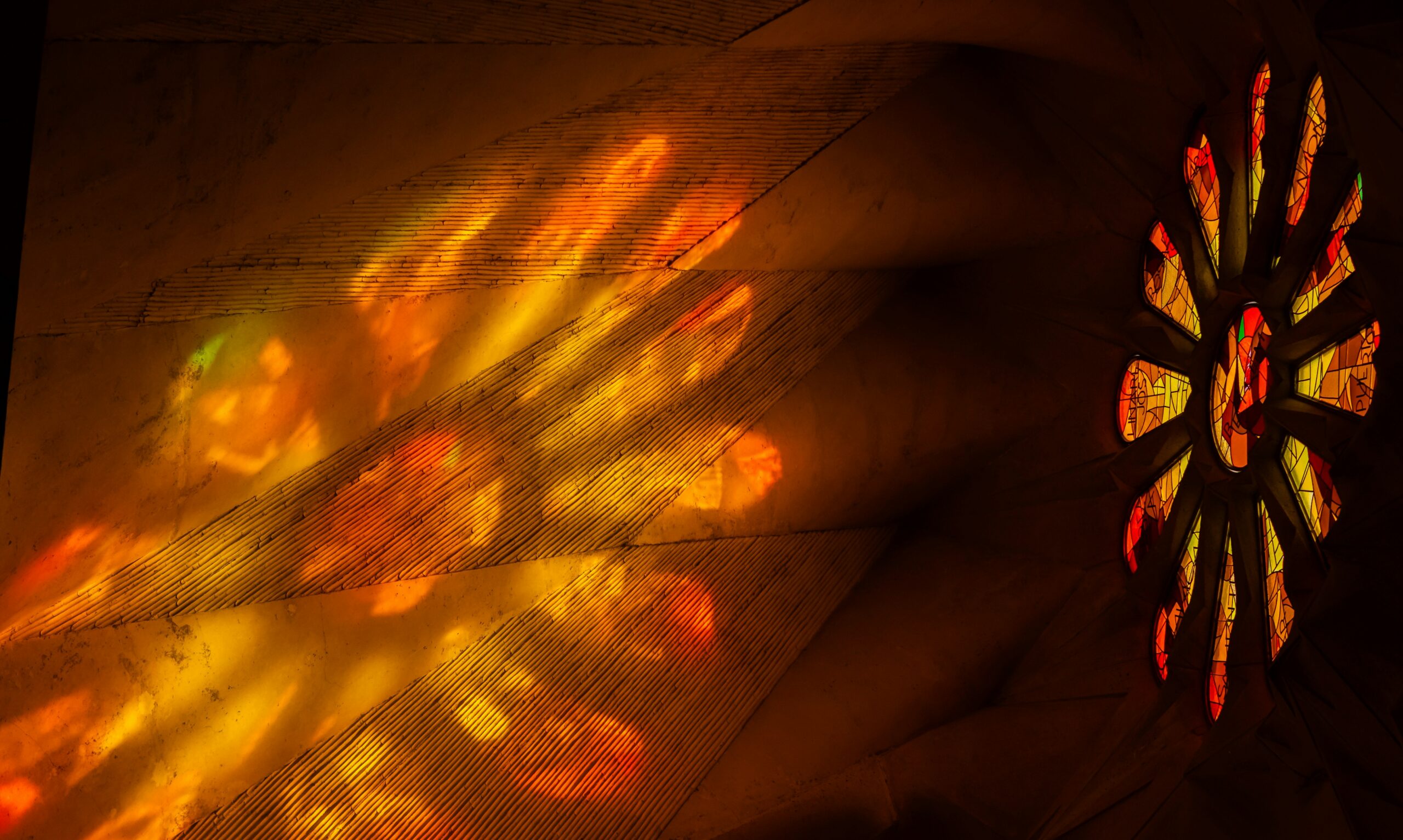

Construction began in 1882, meaning the Sagrada Familia has been under construction longer than the Great Pyramids of Giza.
The stained glass is strategically placed so that the eastern windows catch the cool blues and greens of the morning sun, while the western windows glow with the fiery reds and oranges of the afternoon.
Construction began in 1882. For decades, the target for completion has been 2026 to coincide with the centennial of Gaudí’s death. While the main architectural structure, including the towering central Spire of Jesus Christ, is expected to be finished by then, some finer decorative work and the monumental Glory Facade may continue for several years afterward.
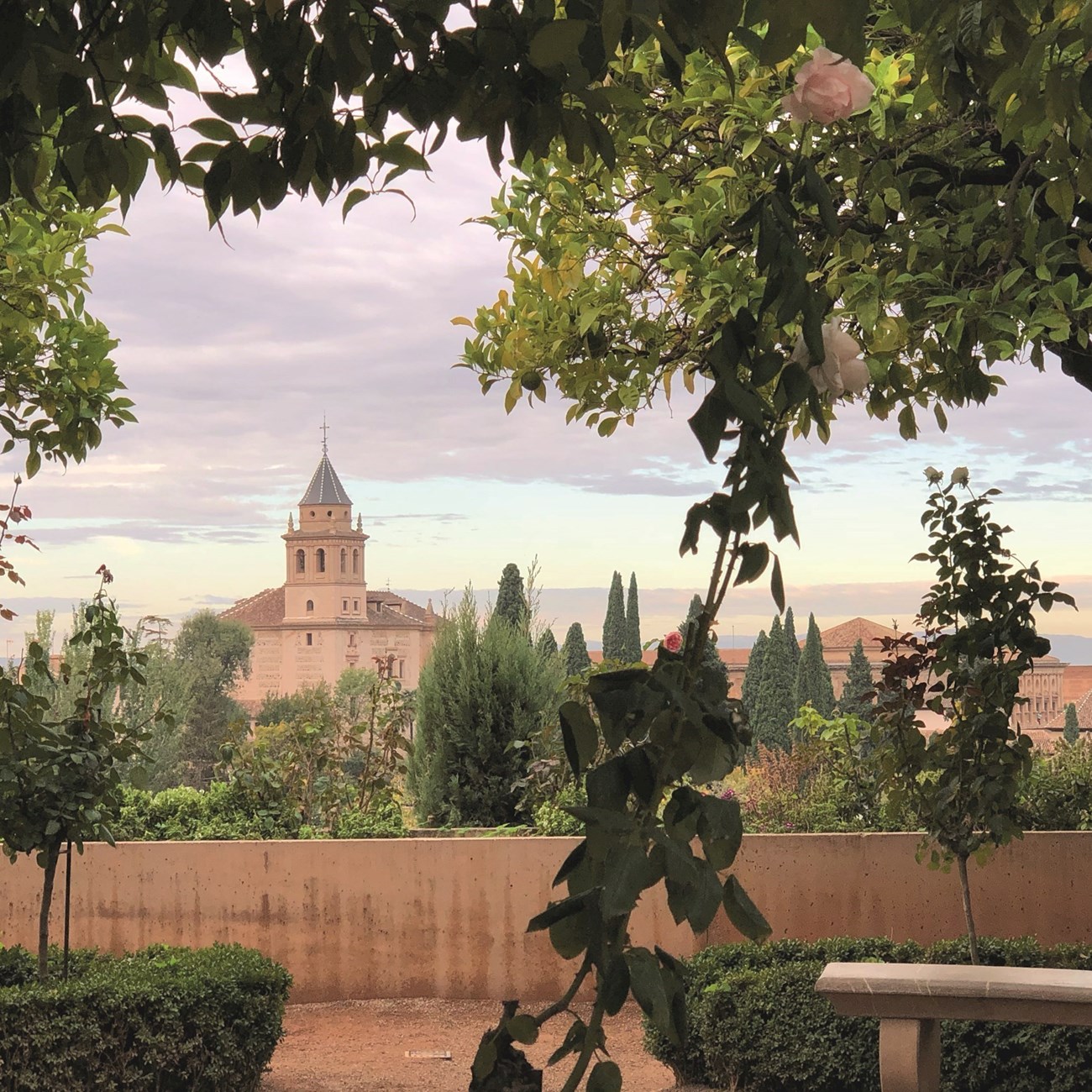
This hilltop fortress-palace served as the final stronghold of the Moors in Spain until 1492. It is a masterclass in hydraulic engineering; the Nasrid rulers used a sophisticated system of channels to bring water from nearby rivers and streams below to fill the reflecting pools and fountains of the Generalife gardens. The “acoustics of water” were intentional; the sound of trickling streams was designed to provide a sense of calm and to mask private conversations from eavesdroppers.
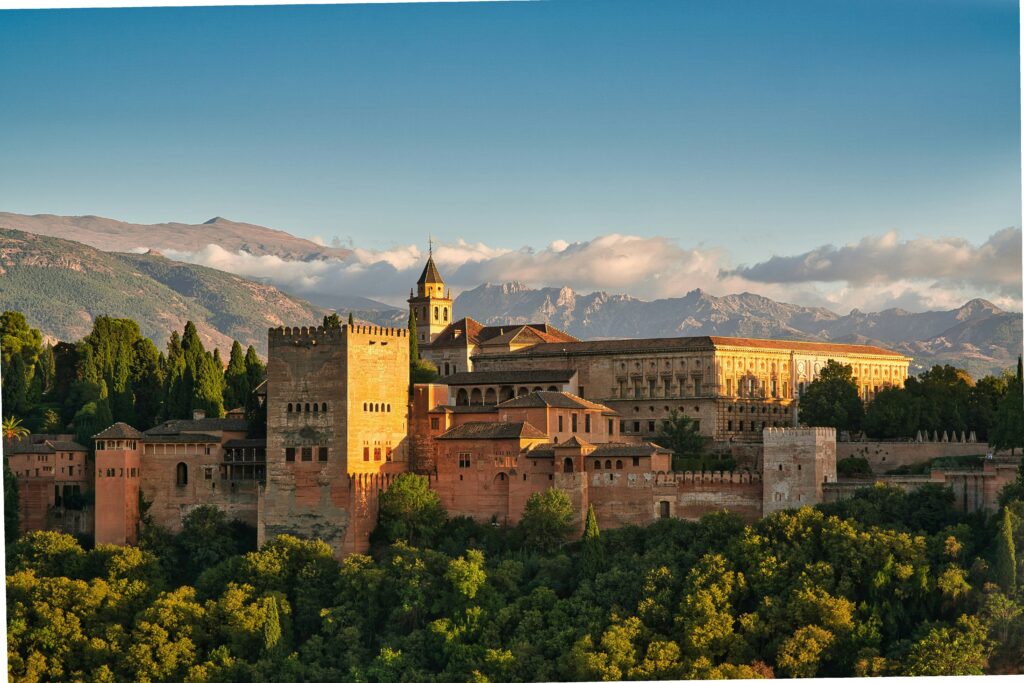
The complex was primarily built by the Nasrid Dynasty during the 13th and 14th centuries. After the Christian Reconquista, King Charles V added a massive, starkly circular Renaissance-style palace within the walls. This creates one of the most striking architectural juxtapositions in Europe: the delicate, mathematical precision of Islamic art sitting right beside the heavy, imposing stone of the Spanish Empire.
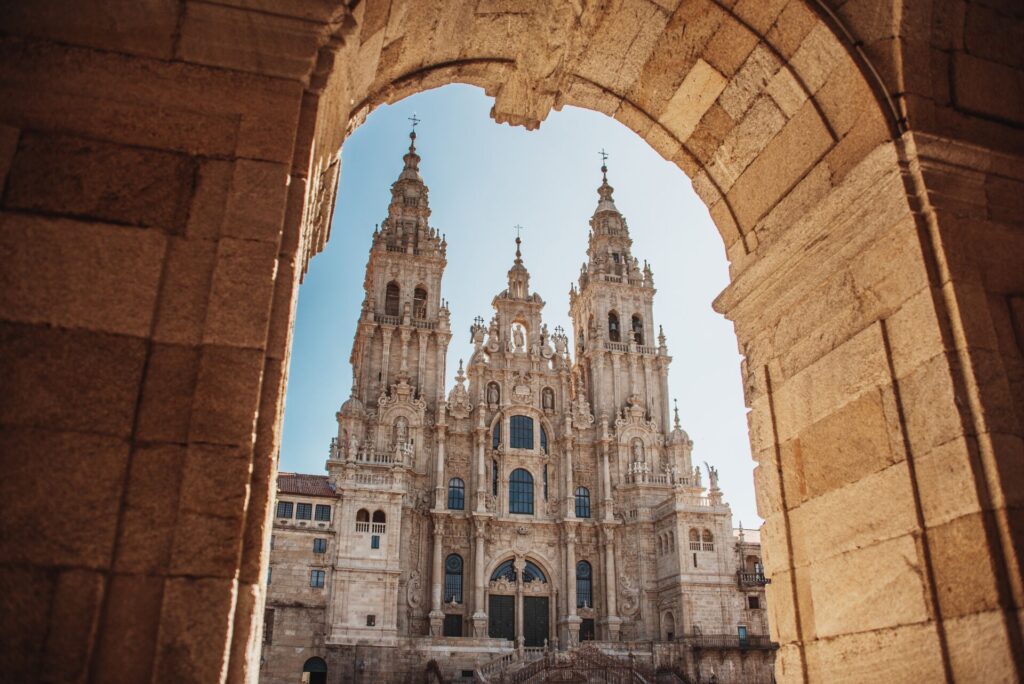
For over a thousand years, this cathedral has been the spiritual finish line for pilgrims walking the Camino de Santiago. While its Baroque facade is world-famous, the original 12th-century Romanesque “Pórtico de la Gloria” remains one of the finest sculptures of the Middle Ages. A unique feature to look for is the Botafumeiro, one of the largest incense burners in the world. Originally, it wasn’t just for ritual; it was swung through the cathedral’s transept at speeds of up to 40 mph to mask the scent of the thousands of unwashed pilgrims who slept on the cathedral floors.
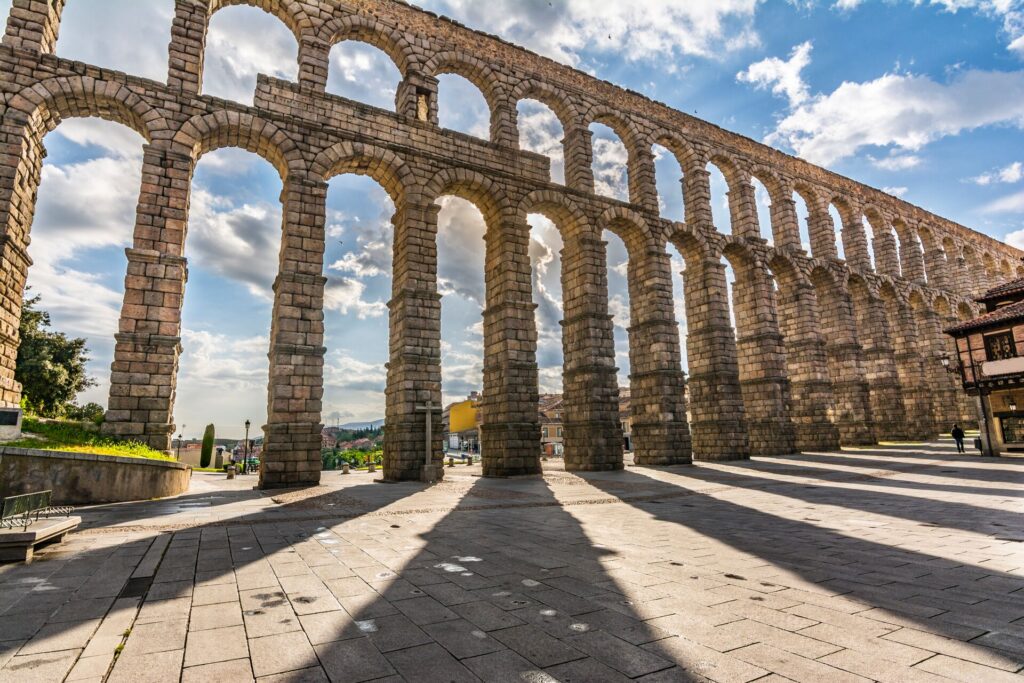
The Romans built this massive structure around the 1st century AD to carry water from the Frio River in the mountains to the city. What makes it truly extraordinary is its construction: over 20,000 granite blocks are stacked perfectly without a single drop of mortar or cement. It relies entirely on the precision of Roman stone-cutting and the weight of the stones to stay standing. If you look closely at the stones, you can still see the small holes or “pockmarks” where Roman cranes gripped the blocks to hoist them into place.
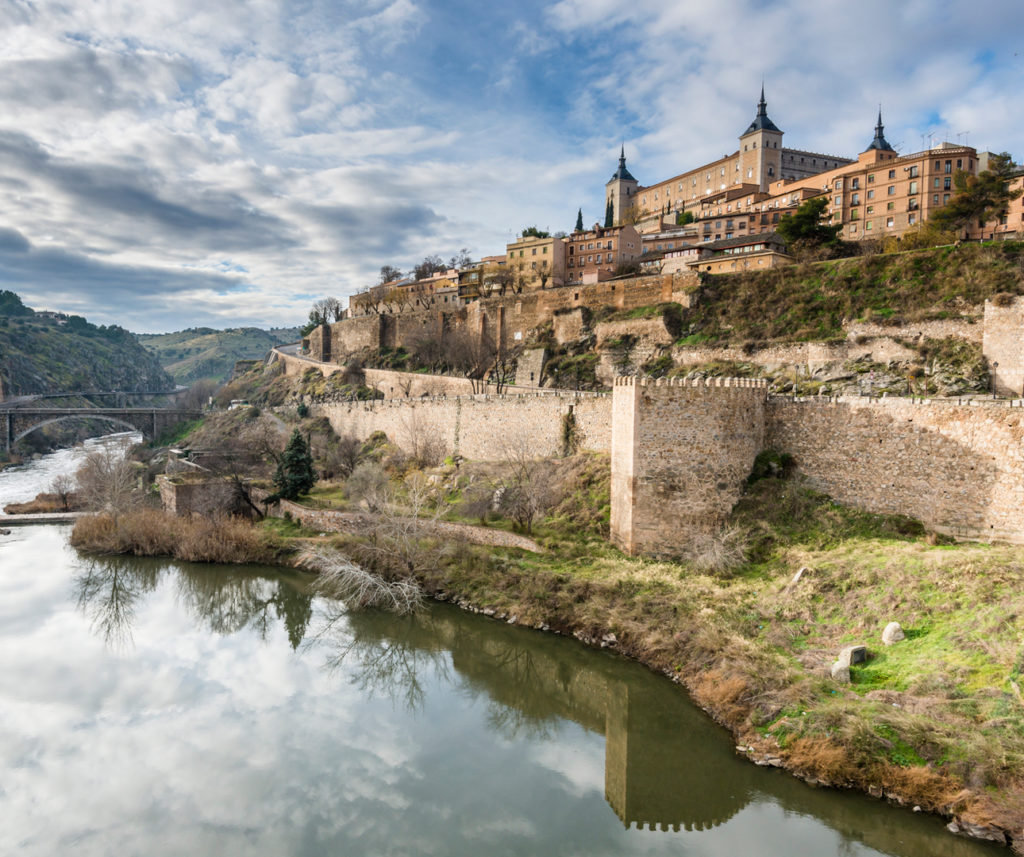
Perched on a hill surrounded by the Tagus River, Toledo was the capital of the Spanish Empire until the 16th century. It is famously known as the “City of the Three Cultures,” a rare historical example of Christians, Muslims, and Jews living in relative harmony. This co-existence birthed the “School of Translators,” which preserved ancient Greek and Arabic knowledge for the rest of Europe. Today, you can find 12th-century synagogues designed with Islamic motifs and a Gothic cathedral that houses a massive treasury of gold brought back from the Americas.
You may also like: Discover Spain’s most cultural cities
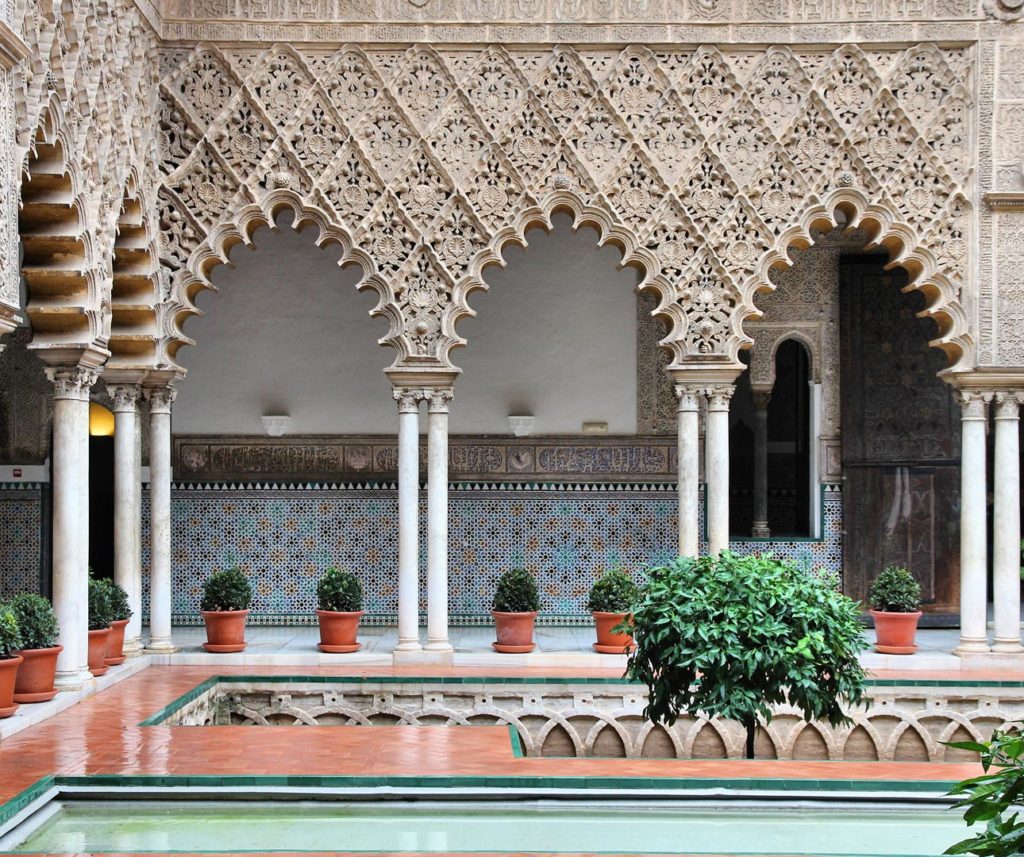
This is the oldest royal palace still in use in Europe. While it began as a Moorish fortress, it is the ultimate example of Mudéjar style—a unique blend where Christian kings commissioned Islamic craftsmen to build their residences. Don’t miss the “Baths of Lady María de Padilla,” a series of eerie, vaulted rainwater tanks located beneath the gardens. They stay remarkably cool even in the height of the Andalusian summer and were famously used as a filming location for the Water Gardens of Dorne in Game of Thrones.
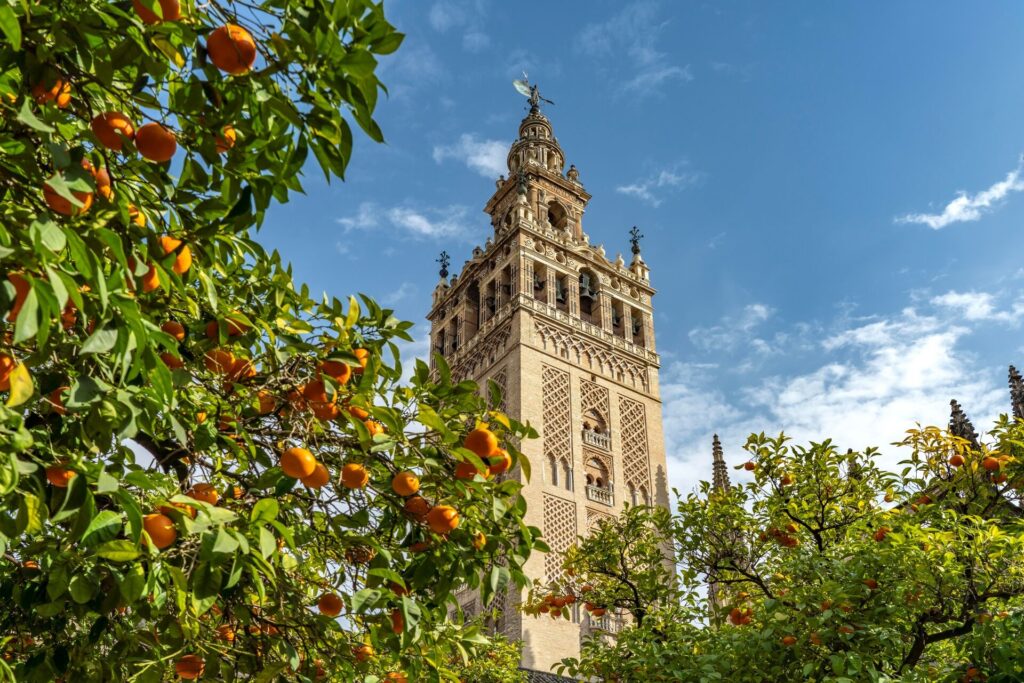
Standing on the former site of the city’s Great Mosque, this is the largest Gothic cathedral in the world. It was built with the explicit intention of being “so beautiful and so grand that those who see it finished will think we are mad.” Inside, you’ll find the tomb of Christopher Columbus. Interestingly, DNA testing in 2006 confirmed the remains are indeed his, though the Dominican Republic still claims to hold his body as well. The Giralda bell tower, which you can climb, was originally the mosque’s minaret and uses ramps instead of stairs so the Sultan could ride his horse to the top for the call to prayer.
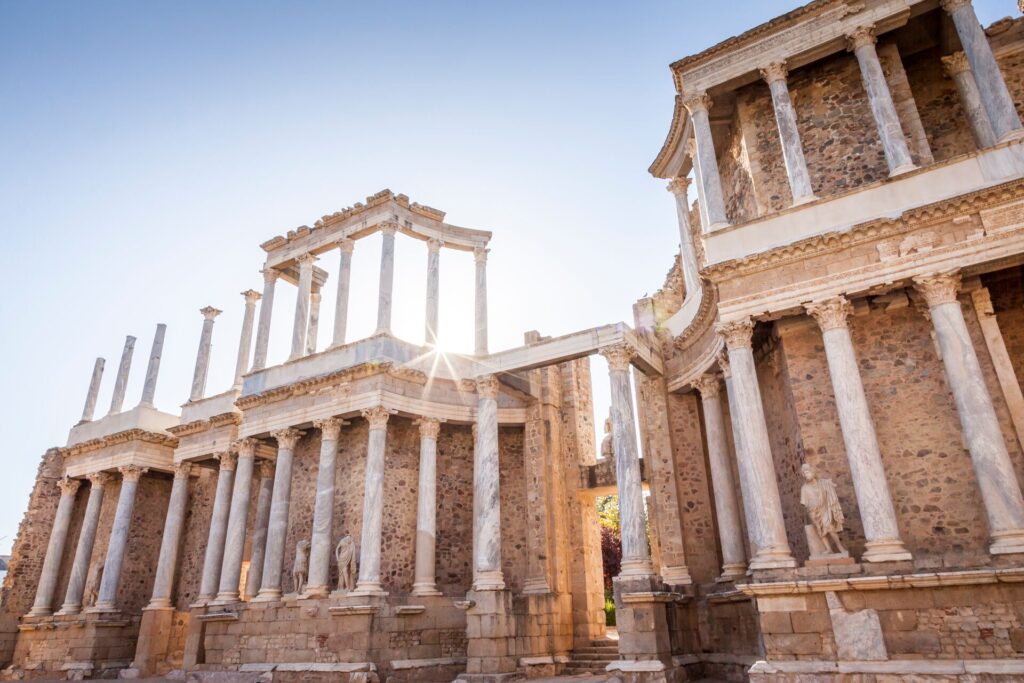
In the ancient capital of Lusitania, the Roman Theatre of Mérida remains so structurally sound that it still hosts a major international classical drama festival every summer. Built between 16 and 15 BC, it could originally seat 6,000 spectators. The most impressive part is the Scaenae Frons (the stage background), which features two tiers of Corinthian columns and statues of deities like Ceres and Pluto. It was actually buried underground for centuries, with only the tops of the seats visible, which is exactly what protected it from being dismantled for building materials.
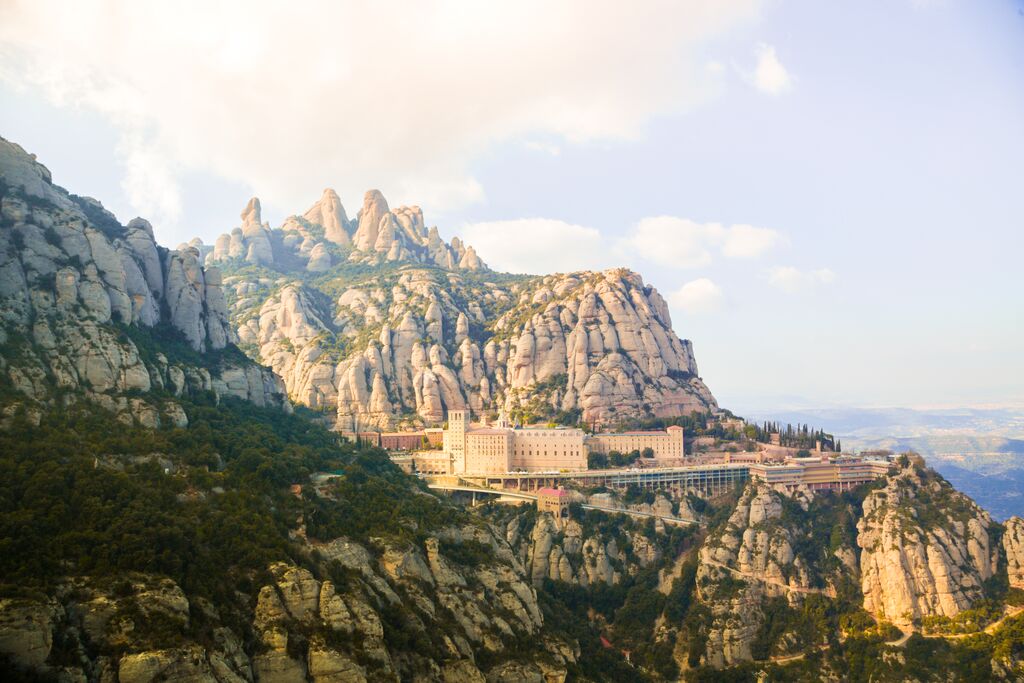
Located high in the serrated mountains near Barcelona, this Benedictine abbey houses the Virgen de Montserrat (the Black Madonna). Legend says the statue was discovered by shepherd children in a nearby cave in the 9th century and was so heavy it couldn’t be moved, prompting the monks to build the monastery around her. Beyond the spiritual, the site is a geological wonder; the pink conglomerate rock formations were formed millions of years ago when the area was underwater, creating the “jagged mountain” look that gives the site its name.
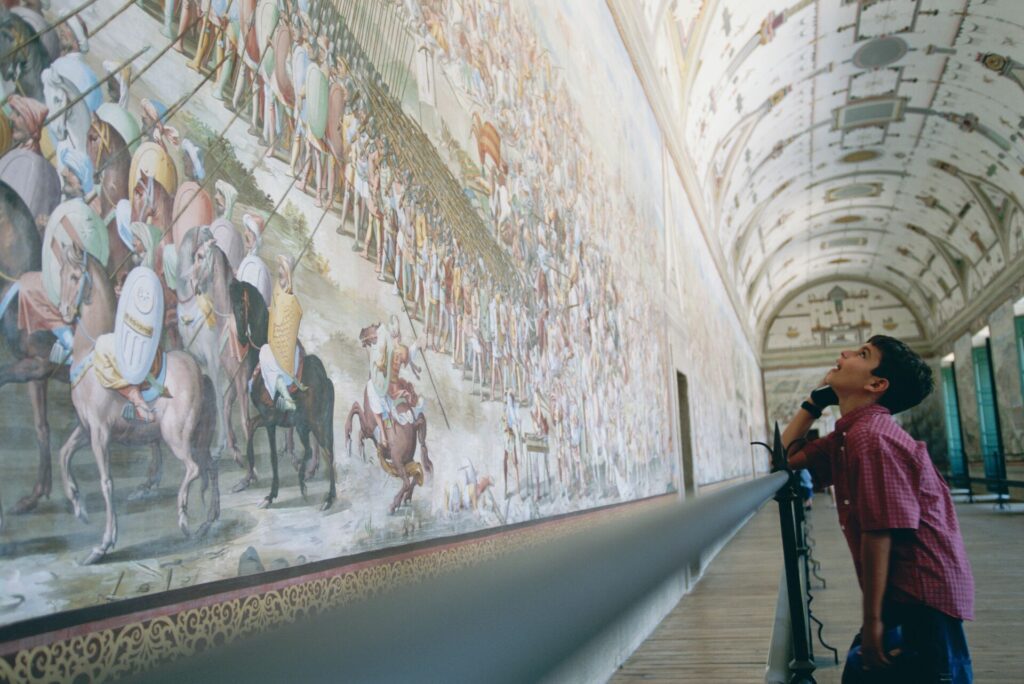
Commissioned by Philip II, this massive granite complex near Madrid was designed to be a palace, a monastery, and a royal mausoleum all in one. It is built in a gridiron shape, rumored to honor St. Lawrence, who was martyred on a grill. Its most somber and impressive feature is the Pantheon of the Kings, an octagonal marble chamber located directly beneath the high altar. It holds the remains of nearly every Spanish monarch from the last five centuries, arranged in gilded niches according to their lineage.
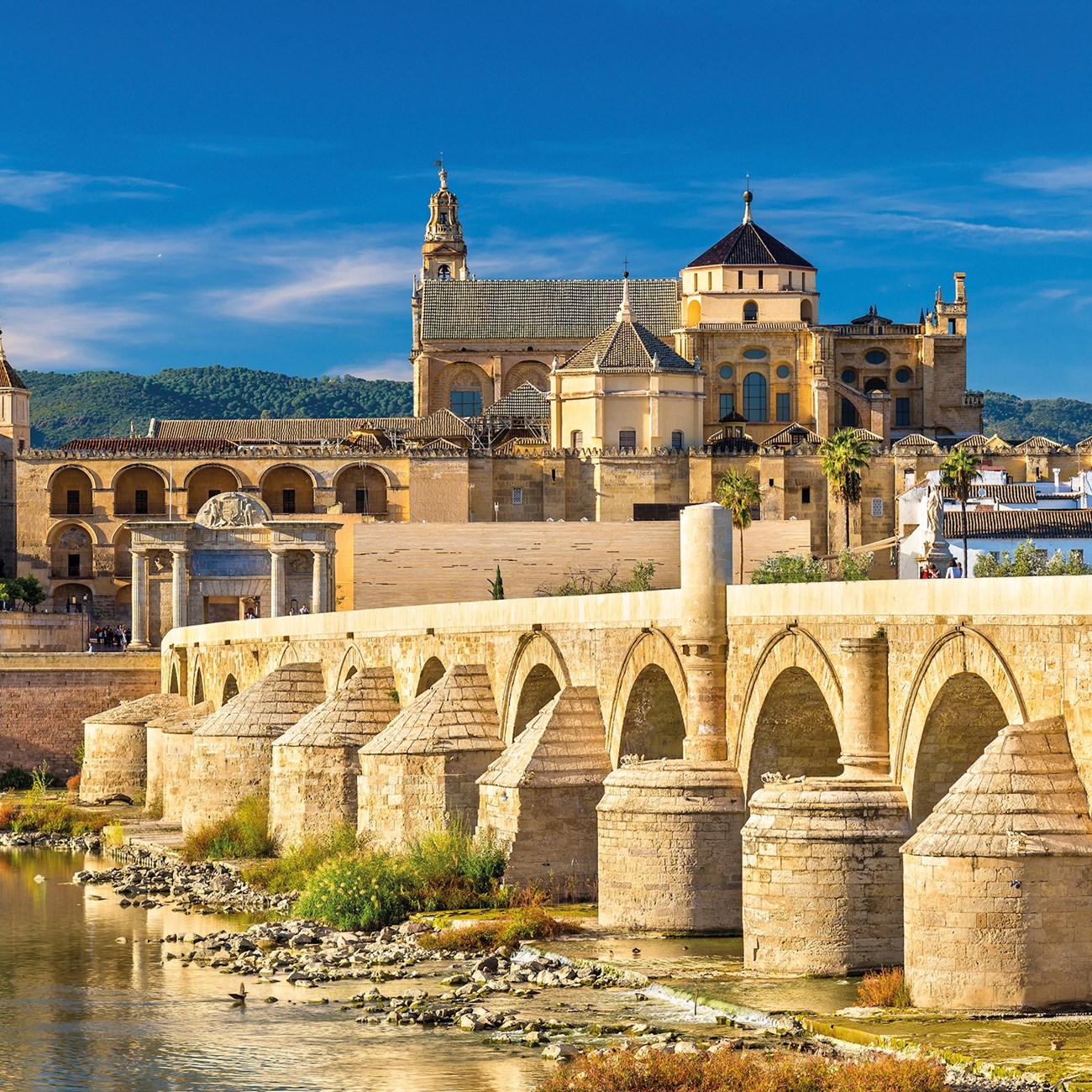
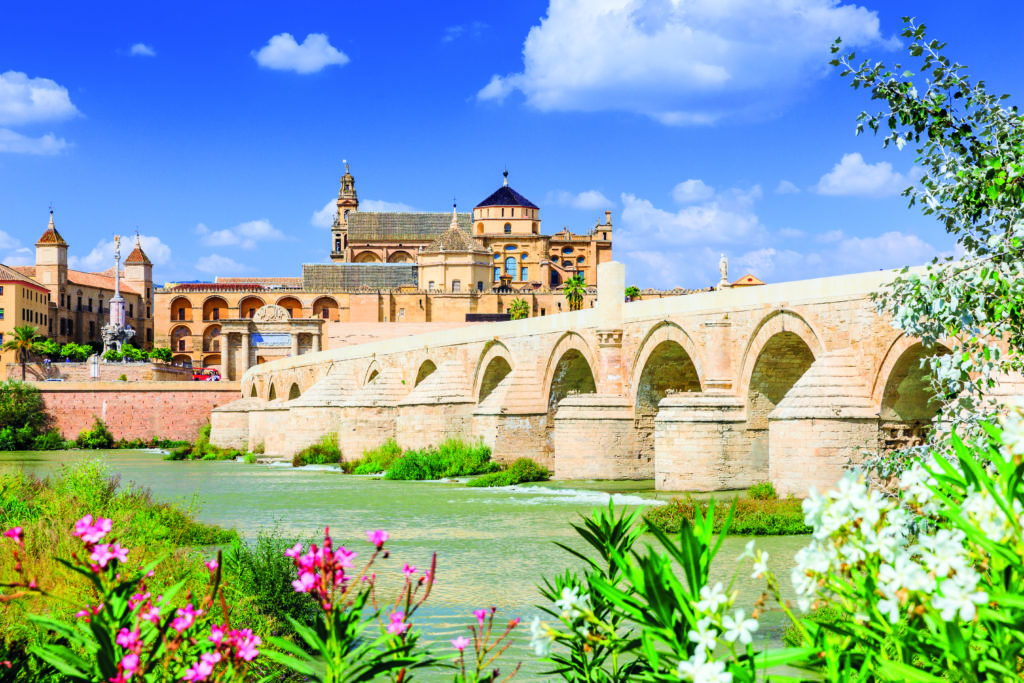
The 16 arches of the Cordoba Roman Bridge have spanned the Guadalquivir River for 2,000 years. While much of the visible stone was restored during the Moorish and medieval eras, the foundations are original Roman masonry. During the medieval period, the bridge was the only way into the city from the south, making the Calahorra Tower at its end a vital defensive gate. Today, it offers the best vantage point for photographing the Great Mosque-Cathedral (Mezquita) as the sun sets over the river.
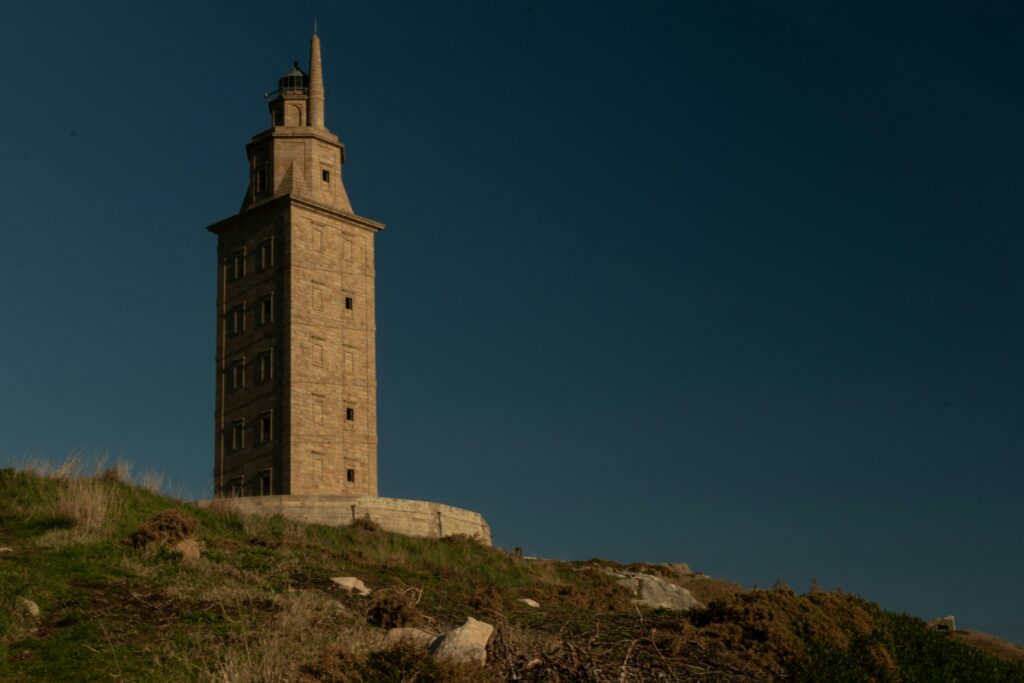
Standing on the rugged coast of A Coruña, this is the only Roman lighthouse in the world that is still functioning as a maritime signal. While the exterior was given a neoclassical “jacket” in the 1700s to protect the structure, you can go inside and see the original 2nd-century Roman core. The Romans believed this was the Finis Terrae—the end of the known world—and built the lighthouse to guide ships through the treacherous Atlantic waters.
The tower is located at the northernmost tip of the peninsula in the city of A Coruña, Galicia. It sits on a 57-meter-high cliff, surrounded by a large sculpture park that tells the legends of the Celtic and Roman figures associated with the lighthouse.
Seeing these Spain landmarks is one thing; understanding the stories behind the stone is another. Our itineraries are designed to take the stress out of travel, providing premium hotels and priority access to the country’s busiest sites so you spend more time exploring and less time in line.

LIKED THIS POST? SHARE WITH YOUR COMMUNITY

Plus recieve latest offers, travel inspiration, and discover how your travels will make a positive impact. Together, WE MAKE TRAVEL MATTER®