How Did Art Deco Architecture Shape New York City’s Modern Skyline?
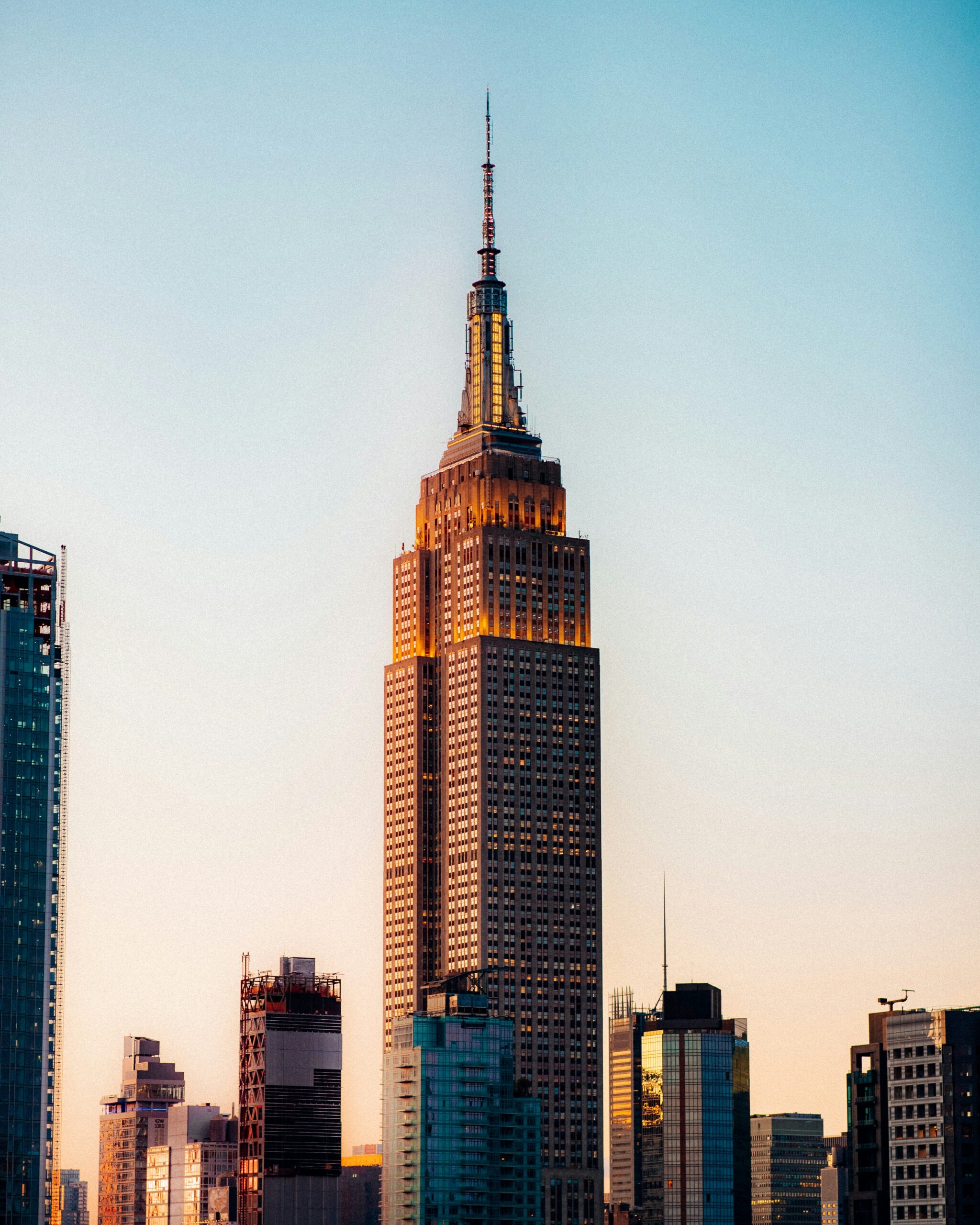
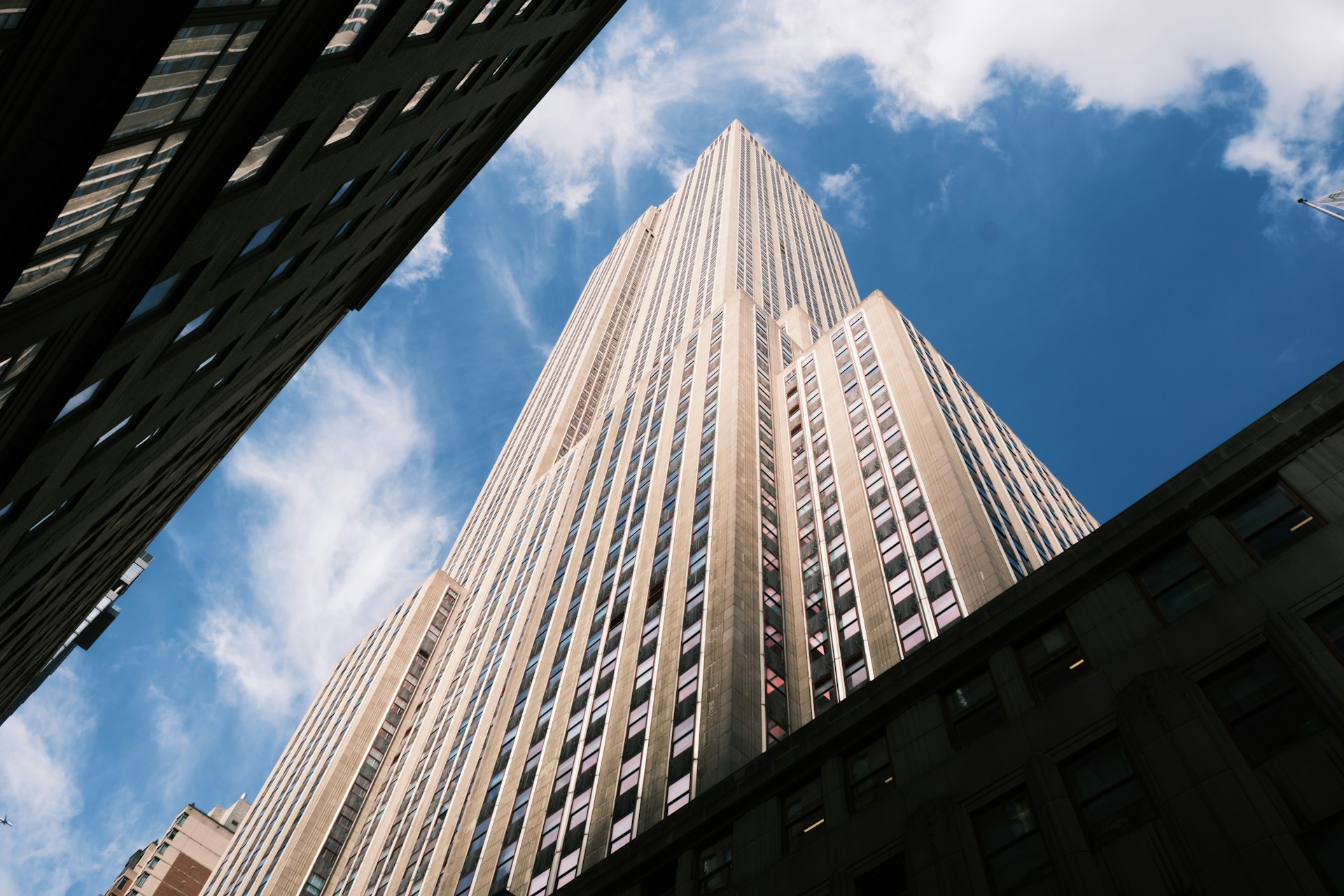
The geometric forms characteristic of Art Deco, particularly the tiered setbacks that became standard in Manhattan zoning, fundamentally altered how the city grew. Unlike earlier skyscrapers that rose as towers, Art Deco buildings incorporated recession as a design principle. Each step back toward the sky created visual drama and broken the monotony of pure verticality.
These setbacks served practical purposes: zoning laws required them to allow light to reach street level. But architects transformed the regulation into an aesthetic opportunity. The visual effect created a sense of upward propulsion broken into measured intervals, which became the defining characteristic of Manhattan’s silhouette.
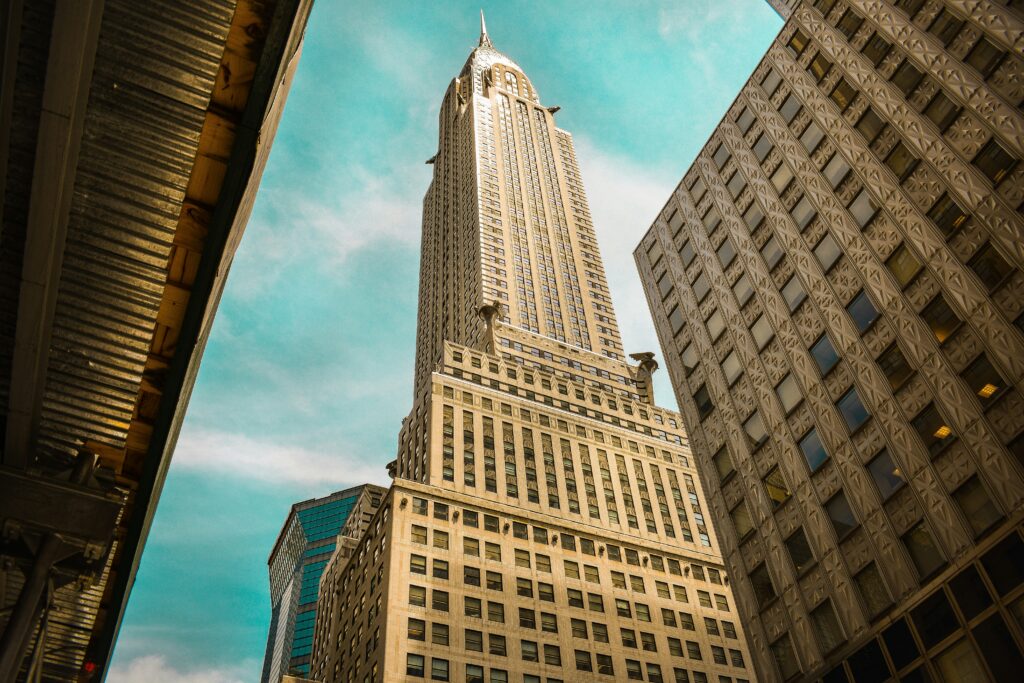
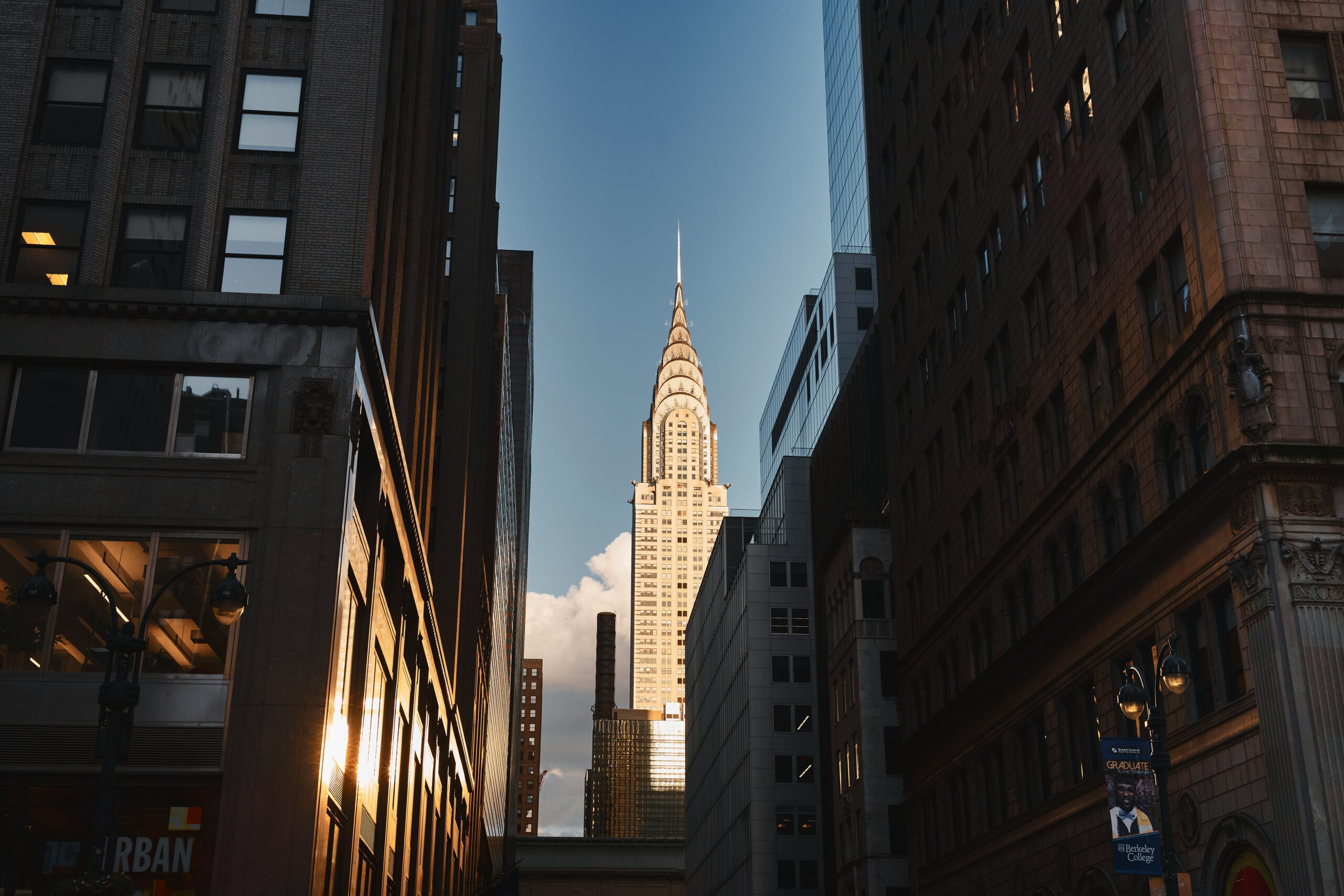
Art Deco’s embrace of ornamental materials also changed the city. Where 19th century architecture relied on stone and brick, Art Deco introduced chrome, stainless steel, glass, and terracotta. The Chrysler Building’s spire is stainless steel, a material that was novel enough in 1930 to convey technological advancement. This combination of materials—industrial alongside luxurious—became part of the city’s visual identity. Light catches these surfaces differently throughout the day, making the skyline dynamic in ways that uniform stone never could achieve.
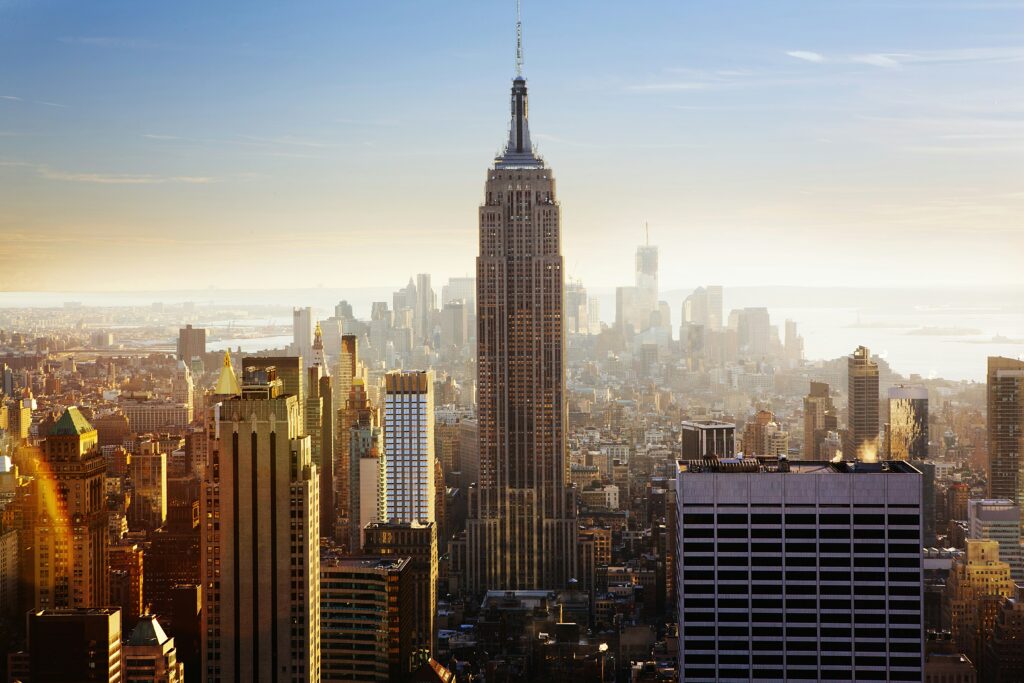
New York City skyline. Source: Unsplash
You may also like: 10 Most Famous Gaudi Masterpieces in Barcelona You Need to Know About
Perhaps most significantly, Art Deco democratized ornament. Where previous architectural styles reserved elaborate decoration for palaces and cathedrals, Art Deco applied it to office buildings and apartment houses. A secretary working on the 40th floor of a corporate building didn’t need to visit a museum to experience fine design; it surrounded her daily work. This represented a shift in how cities imagined their citizens’ relationship with beauty.
Where Can Visitors See the Best Examples of Art Deco Architecture in NYC Today?
The Chrysler Building itself is most appreciated from street level, where the sunburst crown and automobile gargoyles come into view. The lobby is open to the public.
Rockefeller Center’s plaza is a good place to linger and take in the Art Deco sense of ambition. The complex connects to Grand Central Terminal, another 1920s-30s structure that demonstrates how the architectural style shaped transportation infrastructure across the Hudson River and throughout the United States.
As well as all the buildings already mentioned, The Metropolitan Museum of Art offers context through its decorative arts collections, which include furniture, jewelry, and design objects from the Art Deco period, providing the interior design counterpoint to the exterior architecture visible from the street.
The style’s influence extended beyond New York. Jersey City and other industrial centers along the Hudson River developed their own Art Deco neighborhoods, though Manhattan’s concentration remains unmatched globally.