10 Tutankhamun Treasures You Can Only See at the Grand Egyptian Museum
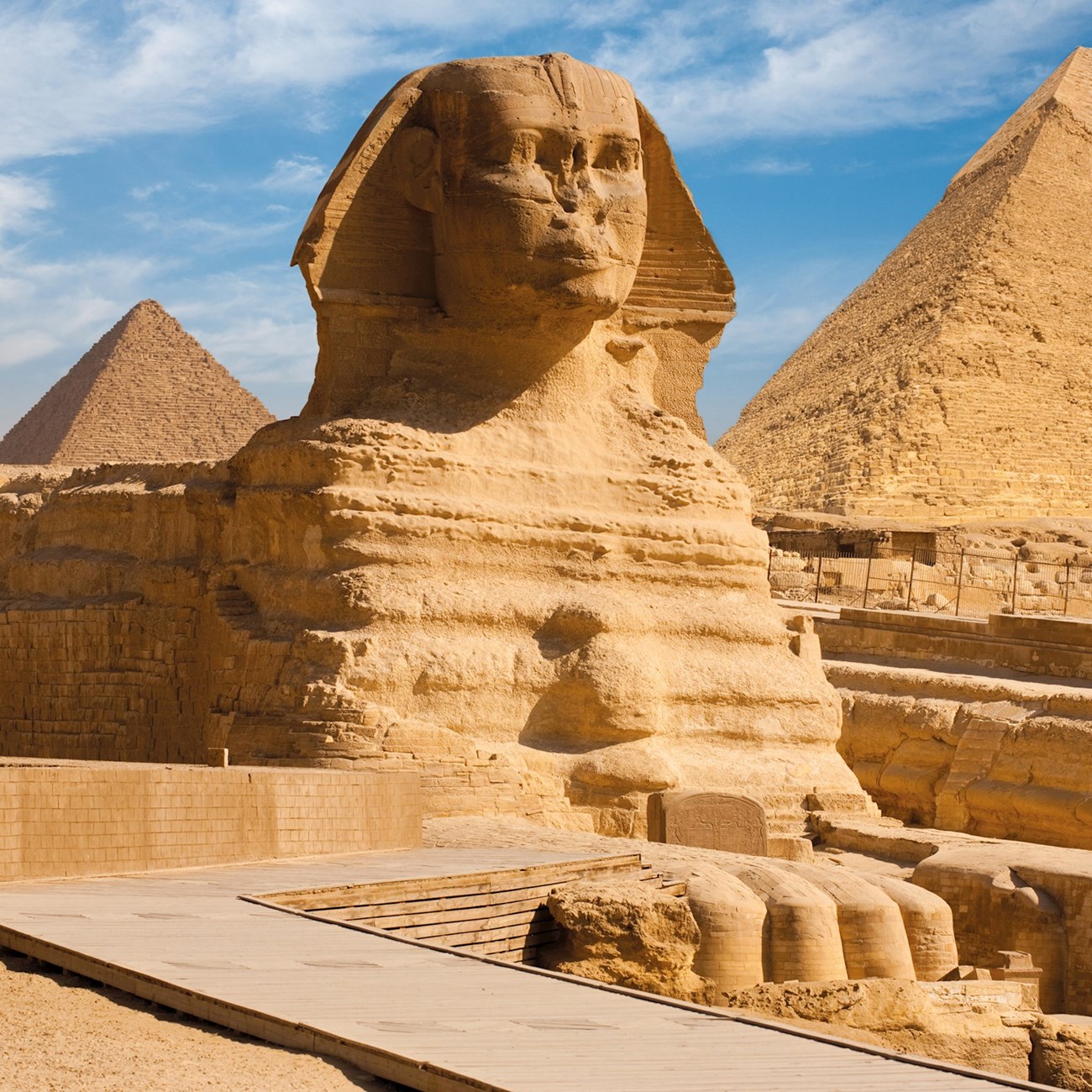




Ancient Egypt is one of the most filmed, fictionalised and mythologised civilisations in the world. From Hollywood epics to late-night documentaries, we’re often shown a version filled with slave-built pyramids, cursed tombs and mysterious, god-like rulers. But much of what pop culture tells us about ancient Egypt simply isn’t true.
Guided by insights from Assem, an Egyptologist and Travel Director who brings Egypt’s history to life for our guests on our Egypt trips, we’ll unpack some of the most persistent Egyptian myths together and reveal the far more human, nuanced and fascinating reality behind them.

Travel Director and Egyptologist Assem
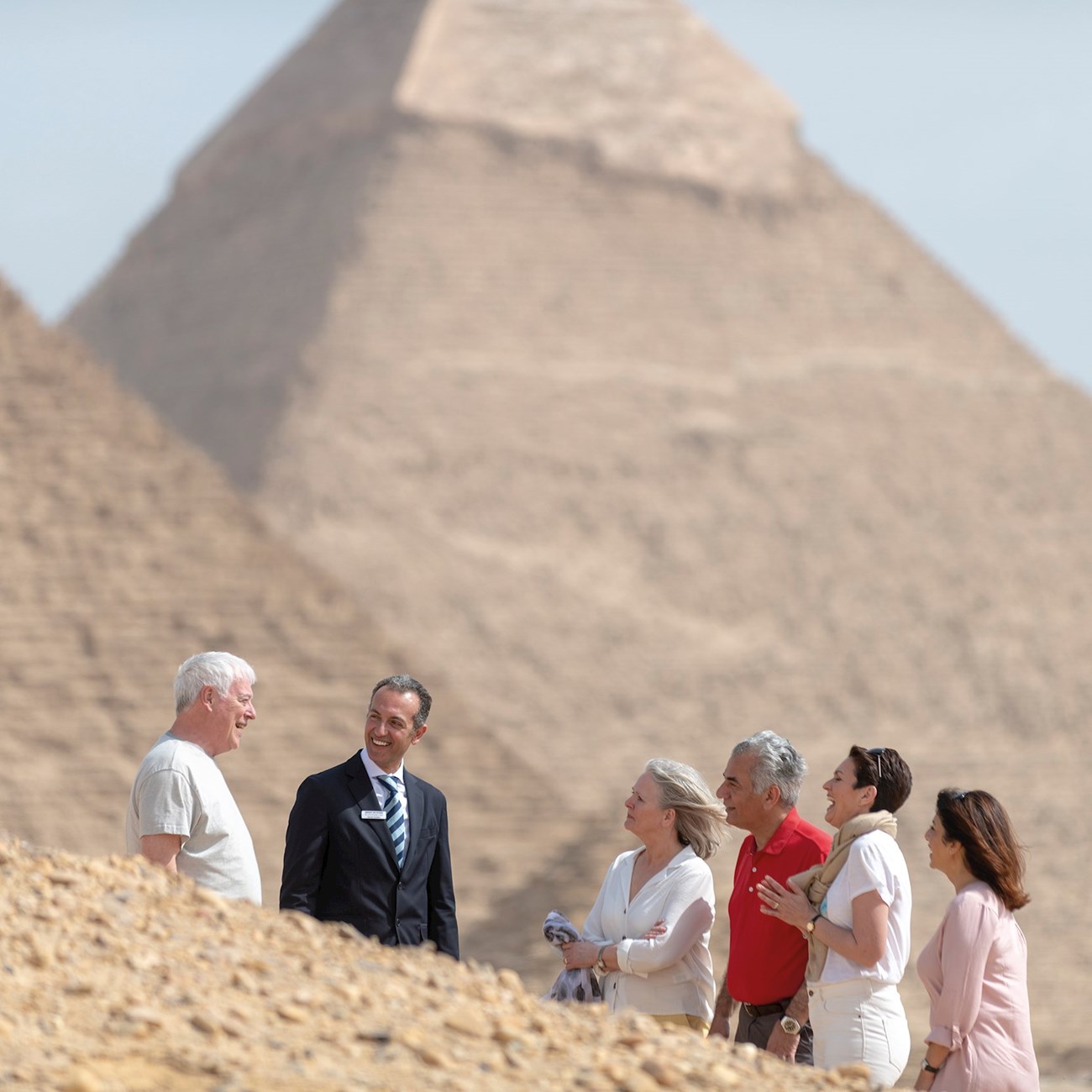
“One of the most common misconceptions is that the pyramids were built by slaves. Archaeological evidence shows this isn’t true. The builders were skilled Egyptian workers who were housed, fed, medically treated, and honored for their labor. Many were farmers who worked on royal projects during the Nile flood season. These monuments were built by devoted communities, not chains, and that makes them even more extraordinary. When I share this with guests at Giza, I often see their expressions change — they suddenly realize the pyramids were not monuments of oppression, but projects of national pride and shared purpose.”
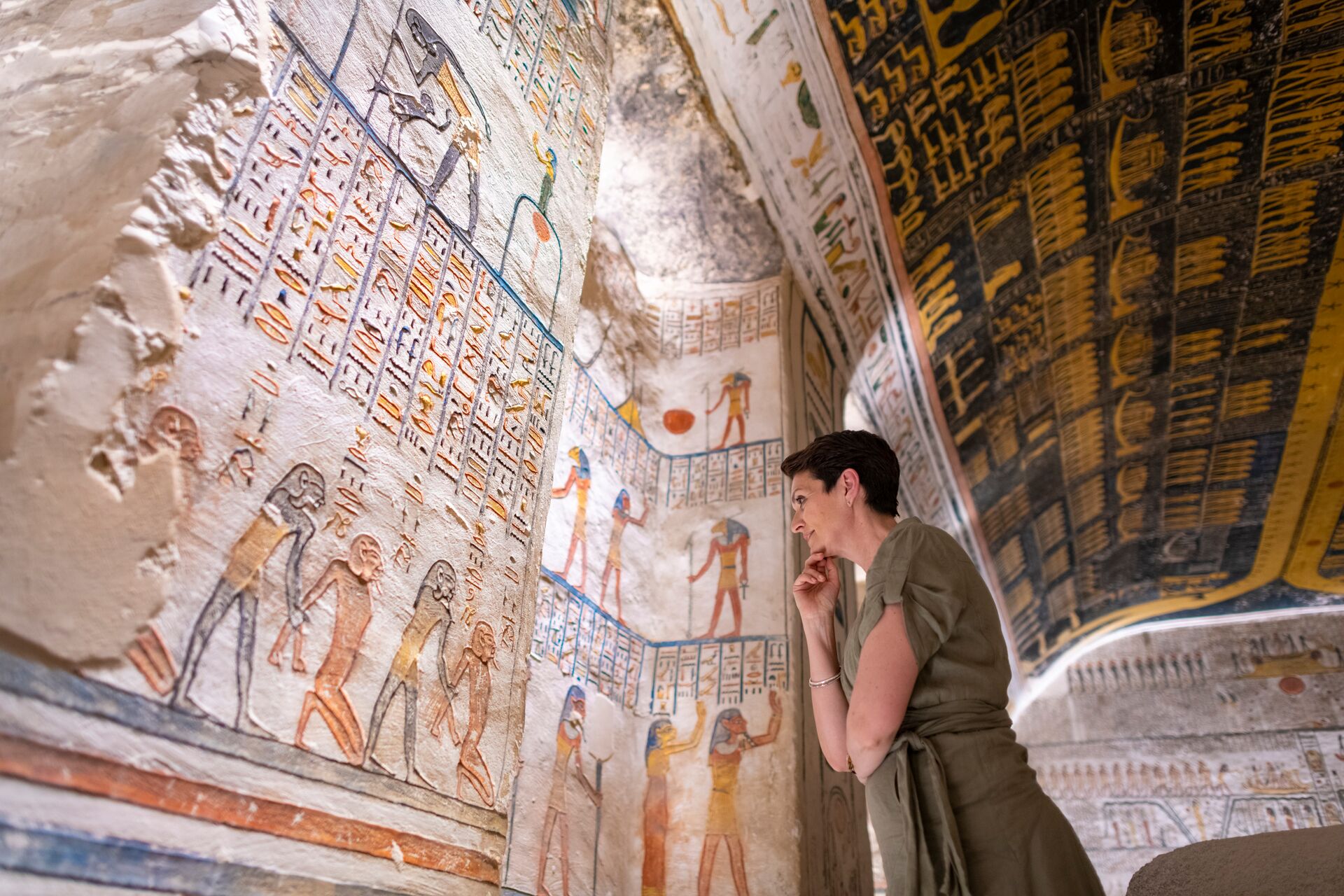
“One of the biggest misconceptions I see with my guests is that ancient Egyptians were obsessed with death. In reality, they loved life deeply. The tombs and mummification were not about darkness — they were about continuity. The afterlife was imagined as a beautiful continuation of earthly life, with family, food, music, and gardens. This surprises many visitors when I explain it at the temples.”
“Movies often portray pharaohs as cruel or mysterious rulers. Historically, pharaohs were expected to maintain Ma’at — balance, justice, and harmony. They were not only kings, but also religious leaders and protectors of society. Their main duty was to keep order in both the land and the universe.”

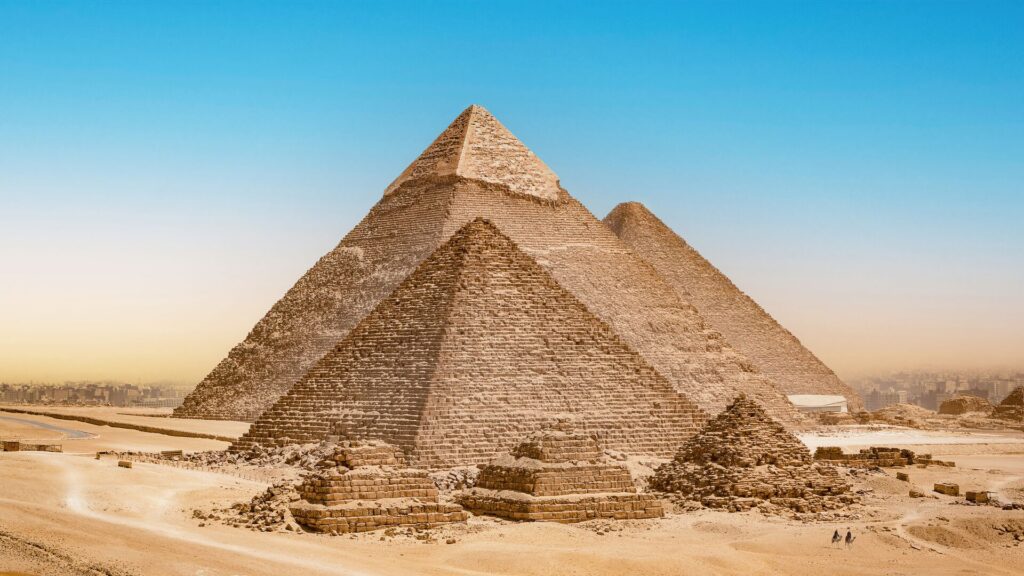
The pyramids are the last of the Seven Wonders of the Ancient World left standing.
“People imagine Egyptian gods as distant or frightening, but they were actually very close to everyday life. Each god represented natural forces and human emotions — love, protection, healing, fertility. Ancient Egyptians spoke to their gods much like people today pray or ask for guidance.”
“Hollywood focuses on pyramids and curses, but daily life in ancient Egypt was very relatable. They had schools, legal contracts, doctors, makeup, pets, music, and family celebrations. When I explain this to visitors in Luxor, many are surprised to realize how human and familiar ancient life really was.”
“The idea of mummy curses comes almost entirely from modern movies. Mummification was a sacred process meant to preserve identity and dignity. It was done with respect and love. There is no ancient Egyptian text warning about cursed tourists.”
“Many of my guests arrive expecting Egypt to feel frozen in time. But after just one day, they see that Egypt is very alive; modern cities exist beside temples that are thousands of years old. This living continuity is one of the most beautiful things about the country.”
“I always tell travelers that Egypt is not just monuments. It is people, stories, traditions, and warmth. When guests arrive with curiosity and respect, they leave with much more than photos. They leave with emotional connections and memories that stay with them for life.”

LIKED THIS POST? SHARE WITH YOUR COMMUNITY



Plus recieve latest offers, travel inspiration, and discover how your travels will make a positive impact. Together, WE MAKE TRAVEL MATTER®