Prague, Vienna and Budapest: Europe's Imperial Cities Are Perfect in Spring



Spring in Europe runs between March and May. In the Northern Hemisphere, astronomical spring starts on the vernal equinox (when day and night are equal length) around 20 March, while meteorological spring begins on 1 March and ends on 31 May.
Spring time weather in Europe varies greatly depending on where you go, and when. Europe is a vast continent, and spring generally falls between March and May. In central and northern Europe, temperatures average around highs of 17°C (62ºF) in the day and 8°C (46ºF) in the evening – though early March will be cooler and rainier, and late May should be warmer and drier. Southern regions such as Spain, Italy and Greece can reach highs of 20ºC (68ºF) in April, dipping to around 12ºC (52ºF) in the evening. The thing about Europe in spring is that the weather is changeable, so come prepared (more on what to wear below).
Why is spring one of the best times to visit Europe? You get more time, space and cultural events, all while the days are growing longer and nature puts on a show.
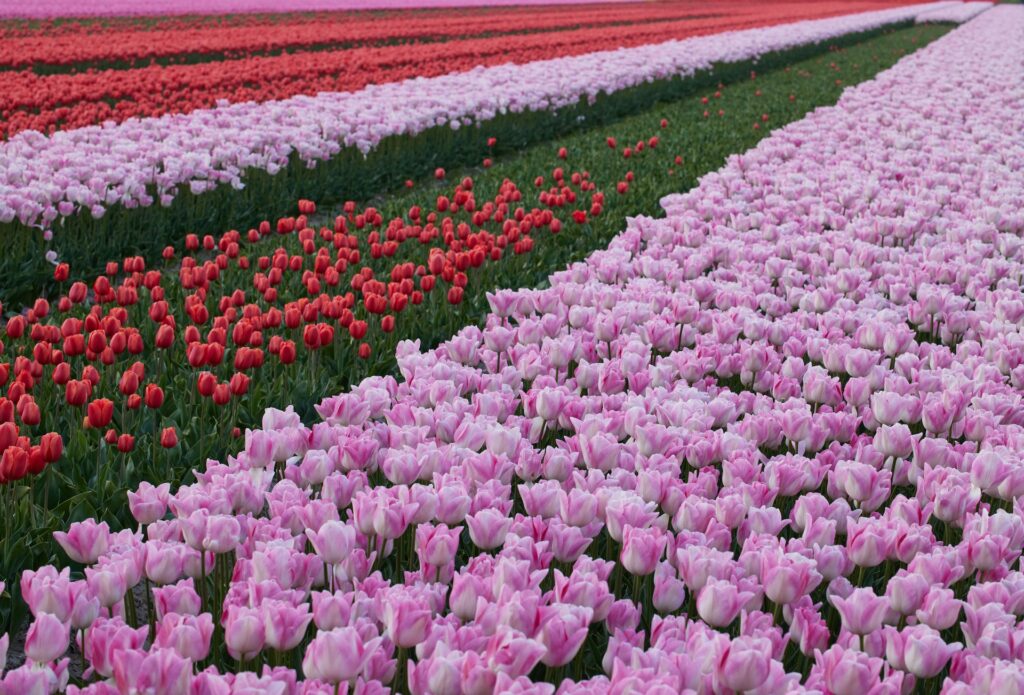
You’ve likely seen fields of tulips in the Netherlands and Spain’s streets carpeted with almond blossom, but these aren’t the only places to catch spring blooms in Europe. The entire continent comes alive with new life and colors in the spring.
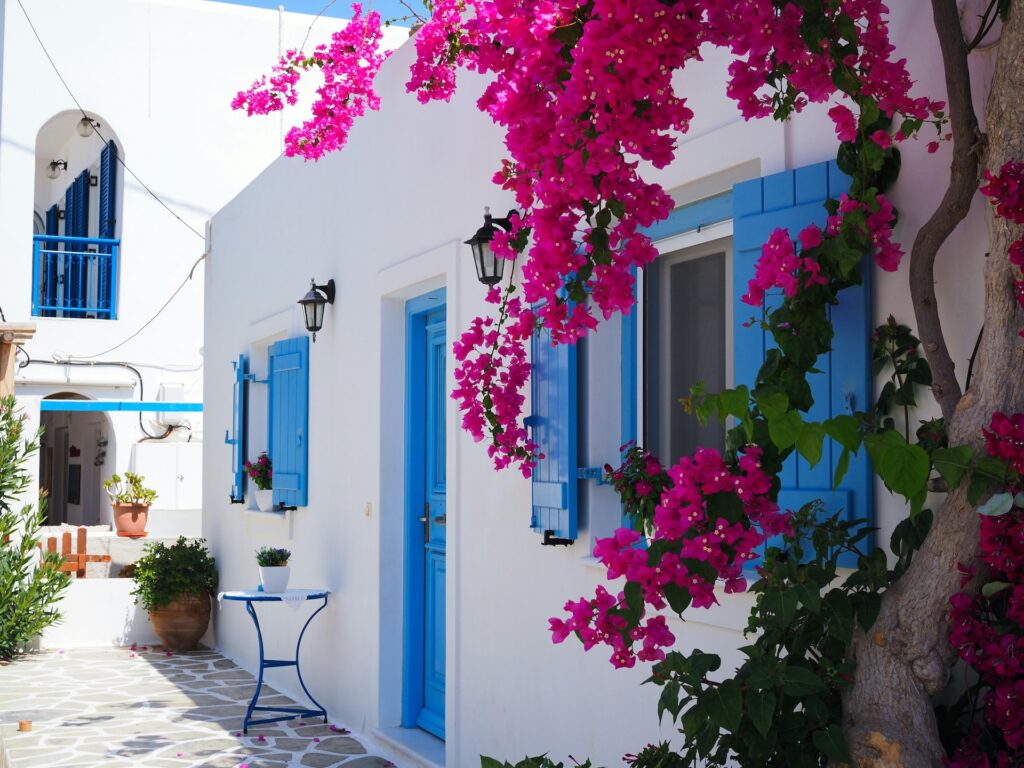
Cherry blossoms burst onto the streets in Berlin, Heidelberg and Schwetzingen, while spring is when the bright fuscia bougainvillea flower brings a pop of color across the whitewashed streets of Greece. Tuscany sees flashes of red as poppies crop up across its hills, the lavender fields of Provence blanket the region in purple, and Portugal’s wildflower meadows blossom along the Algarve coastline. In London wisteria decorates quaint townhouses, while the RHS Chelsea Flower Show in May offers a more organized way to see some the world’s best floral displays.
Summer has become the main event when it comes to vacations, but Europe in spring is just as (if not maybe more) magical – and much calmer. Avoid the peak season crowds and take your destination at a slower pace, giving you more time to soak up the atmosphere, see sights beyond the icons, and connect with local people.
The exception to this is during religious festivals across Easter, when many towns and cities come alive with celebrations such as Holy Week in Spain and Italy. Though this means these locations are very busy, these are very special events to witness in person.
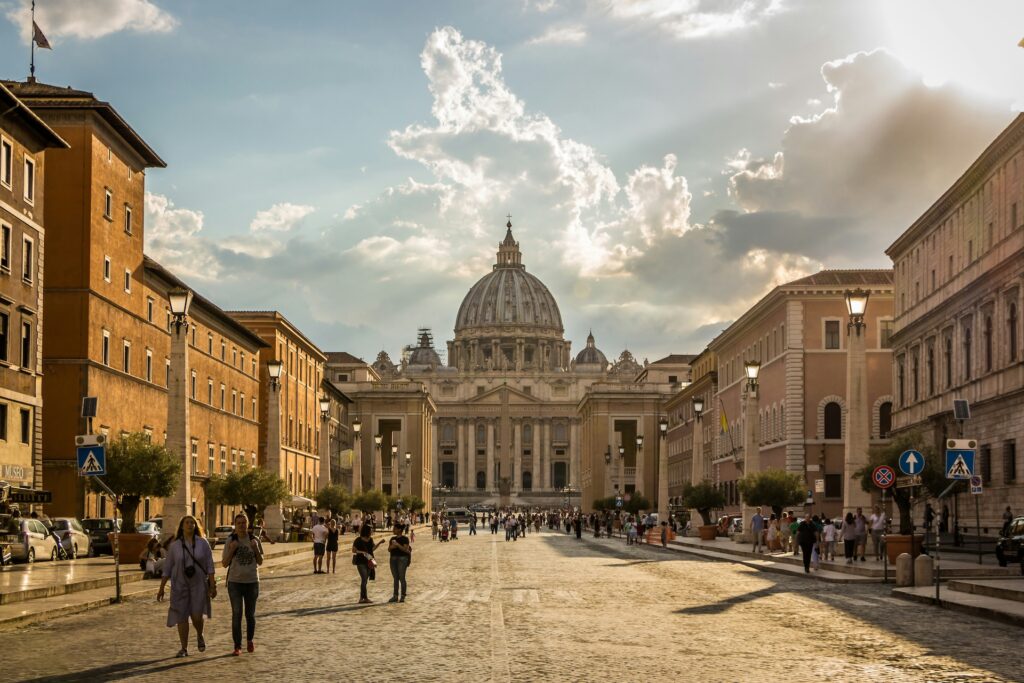
Summer in Europe is notoriously hot, and the high temperatures can make sightseeing a struggle. That’s why we think spring is the perfect balance – you might have to pack an extra layer, but during this more temperate time of year you’ll have a much greater appetite for sightseeing and strolling around Europe’s towns and cities when you’re not sweltering. (Read more on spring weather in Europe below.)
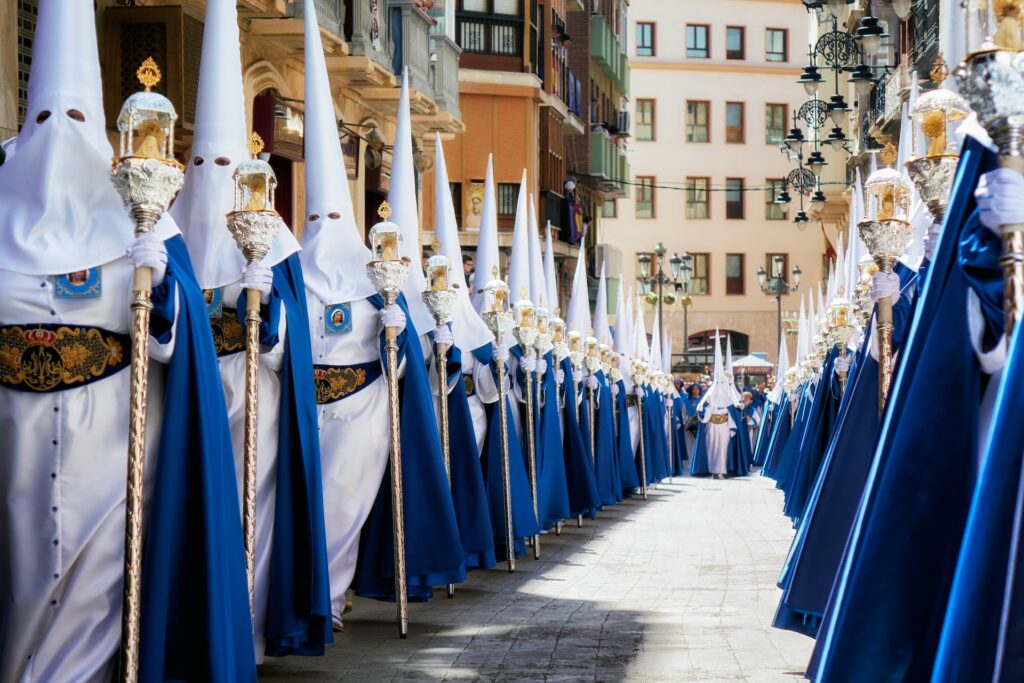
Semana Santa celebrations in Spain
Once the bitter cold of winter melts away and the days begin to grow longer, it’s not just the trees and flowers that begin to bloom – the people of Europe also begin to come out of hibernation with plenty of festivals and celebrations opening up across the continent in spring.
One of the most famous European spring festivals is Amsterdam’s Tulip Festival, which runs between March and May; you can witness some 7 million spring bulbs burst into color at over 85 locations throughout the city from public space to museum gardens, though the most popular place is Keukenhof Gardens just outside of Amsterdam itself. Travel with us during spring on our Country Roads of Belgium, Luxembourg & the Netherlands, and on select departures a visit to the Keukenhof Gardens is built into your itinerary.
Meanwhile, over in London the prestigious Chelsea Flower Show runs in late May for just four days – tickets frequently sell out months in advance, often hours after release. But book onto one of our Chelsea Flower Show tours and you’ll guarantee yourself a spot at the ‘World Cup of gardening’.
Beyond the florals there are plenty of other celebrations to get involved with – Germany’s Frühlingsfest (springfest) is known as Oktoberfest’s ‘little sister’, running from mid-April to early May across the country, while Portugal’s medieval town of Óbidos hosts its annual Chocolate Festival for a week in mid-March where you can sate your sweet tooth with chocolate workshops and mind-boggling chocolate sculptures.
Spring is when Easter falls in Europe, usually in April (but the date can occasionally fall in late March), and countries including Spain, Portugal and Italy celebrate Holy Week. Across these countries, elaborate celebrations involving lengthy processions, religious dress, feasts and music, culminating on Easter Sunday.
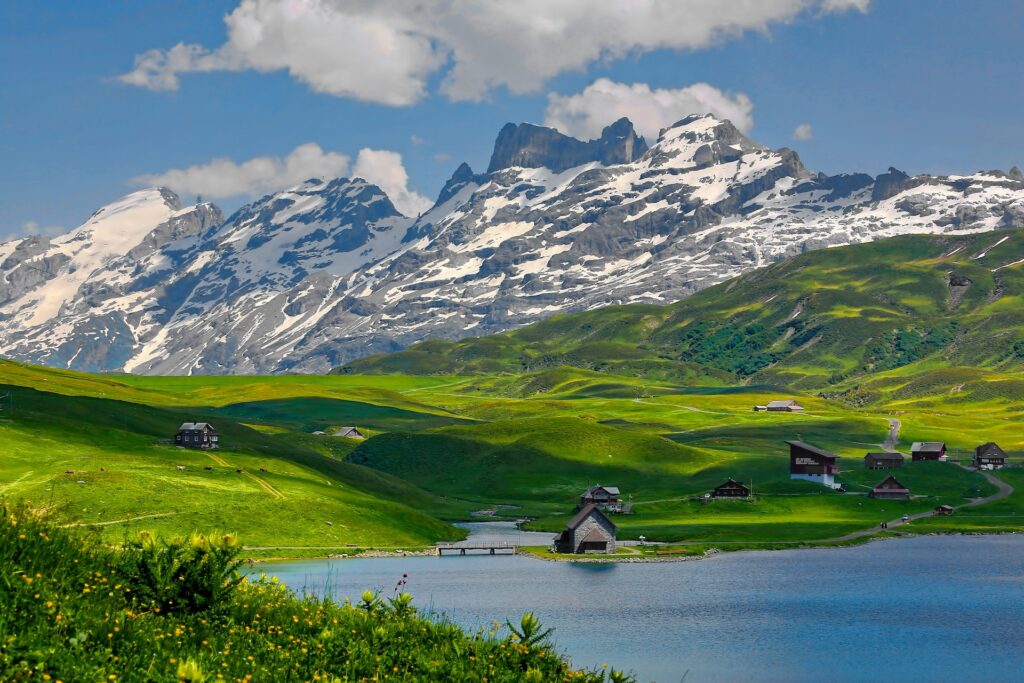
Visit any country with considerable snowmelt, and spring is the best time to see cascading waterfalls. Iceland is top of the list for this exact reason; late spring (May) will give you Iceland’s stunning waterfalls at their most impressive, as melting snow and ice feed into rivers and streams. It’s also worth noting spring in Iceland sees enough daylight to get out and about, while still offering the chance to see the Northern Lights before the arrival of the midnight sun.
Spring in Switzerland also offers the best of both, making it the best time to visit for avid hikers. With snowmelt the trails become more accessible, and walkers can enjoy gushing waterfalls and colorful wildflowers popping up in the lowlands against a backdrop of snow-capped mountain peaks, namely views of the Eiger, Mönch and Jungfrau mountains.
A major benefit of visiting Europe in spring is that everything from flights to accommodation is cheaper, compared with peak seasons like summer or the festive period (not including Easter). Yes, you might have to pack a raincoat just in case, but lower prices paired with fewer crowds makes it one of the best times to travel.
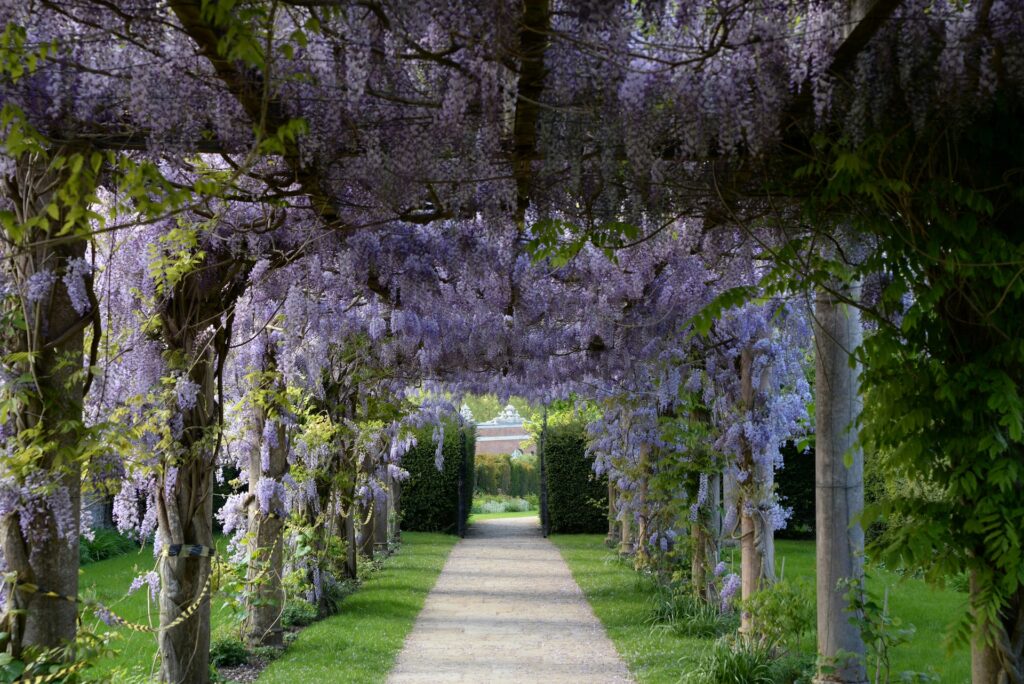
European spring weather is a gamble that usually pays off – but it definitely pays to be prepared.
When it comes to what to wear, think layers, layers, layers. Mornings and evenings are generally cool; even in Sicily, one of the southernmost European destinations, evenings can still dip to around 10ºC (50ºF) in the evenings after daytime highs of 25ºC (77ºF) in April. Bring layers that you can take off and put back on throughout your day exploring.
Weather is still changeable throughout springtime in Europe, so check the forecast before you pack and don’t get caught out. It’s always worth packing an umbrella and waterproof jacket – equally, it’s best not to leave your sunglasses or sunhat at home. Wear shoes that you’re comfortable walking long distances in, and if the weather forecast suggests rain, then bring shoes that will keep your feet dry.

LIKED THIS POST? SHARE WITH YOUR COMMUNITY
Plus recieve latest offers, travel inspiration, and discover how your travels will make a positive impact. Together, WE MAKE TRAVEL MATTER®