Traditional South American food: top 20 dishes you need to try




There are dishes that feed the body, and then there are dishes that carry a people’s entire story in a single bite. Soul food is the latter. The history of soul food in America is a story of survival, creativity, and defiant joy, stretching from the shores of West Africa to the church suppers and city kitchens of the American South and beyond. To eat soul food is to taste centuries of resilience. And once you understand where it comes from, it becomes impossible to experience it the same way again.
Soul food is the traditional cuisine of African Americans, a cooking tradition born out of necessity and shaped by generations of ingenuity. At its heart, it’s the food of the rural South: slow-cooked greens, braised meats, fried things golden and glorious, cornbreads baked in cast iron, pies that smell like fall even in July. But to reduce it to a list of dishes is to miss the point entirely. Soul food is a living inheritance, a way of cooking that transforms the humblest ingredients into something transcendent.
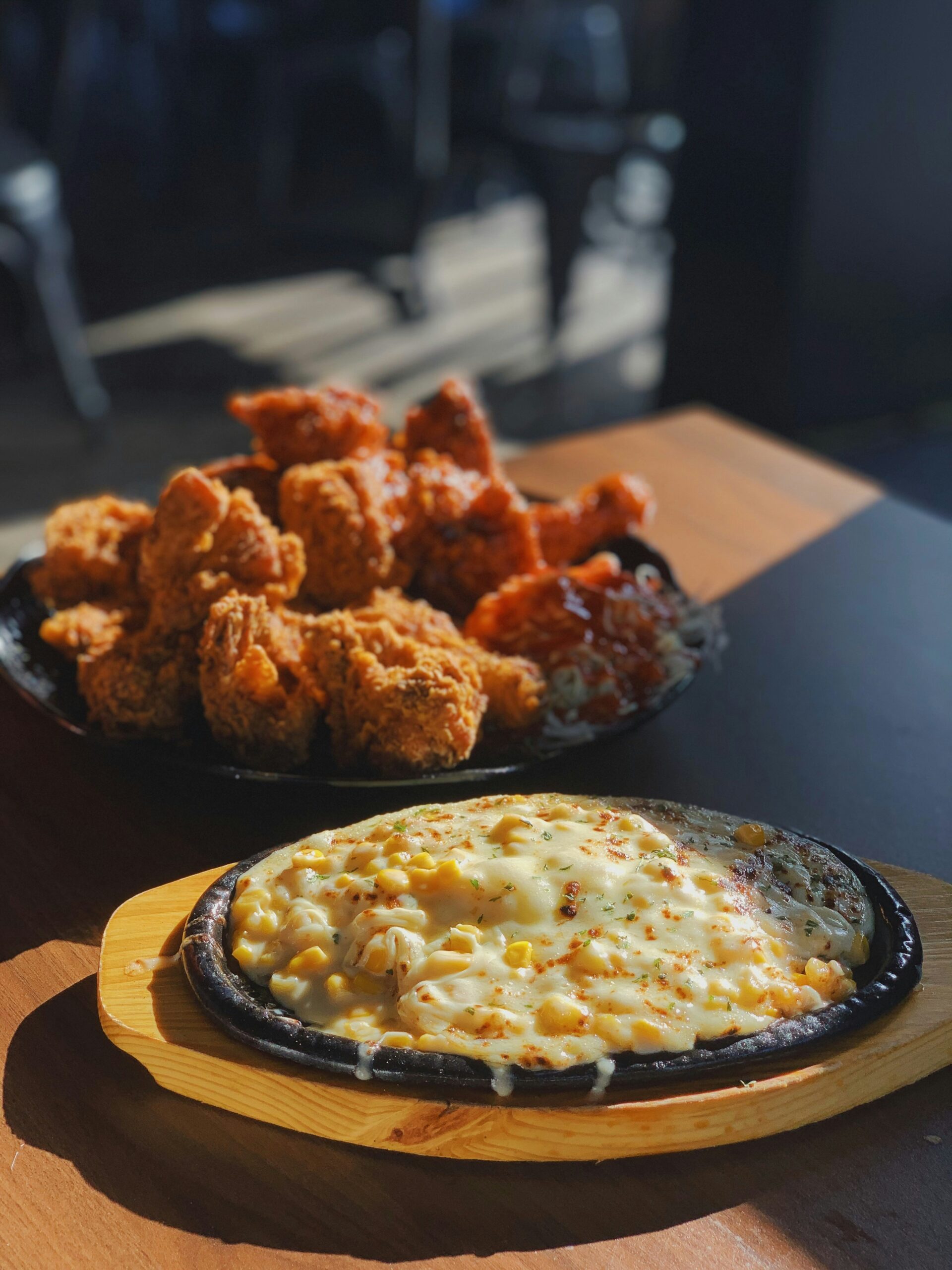

The term “Soul Food” itself came into common use during the 1960s, when the Black Power movement was reclaiming and celebrating African American identity. Soul was the word of the era: particularly soul music, and soul food. It was a declaration: this food is ours, and it is something to be proud of.
To understand the history of soul food, you have to begin thousands of miles from the USA — and over 150 years into the past. The Transatlantic slave trade, perpetuated by the United States and Europe among others, resulted in the enforced migration and enslavement of over 12 million people from Africa. The total number of deaths as a result of the slave trade is almost incalculable, running into the millions — it’s estimated that almost 2 million people are likely to have died during the Atlantic crossing alone.
Those enslaved people who survived the crossing brought with them an extraordinary depth of culinary knowledge: techniques for slow cooking, a mastery of spice, and a catalogue of ingredients that would quietly, irrevocably transform American food.
Black eyed peas, for instance, trace directly back to West Africa, where they’d been a staple for centuries. Okra, the backbone of countless Southern dishes, came with enslaved people from the Congo and Angola. Sorghum, watermelon, and an entire philosophy of using every part of an animal arrived on those same brutal crossings.
On plantations, enslaved African Americans were given the parts of the pig that slaveholders discarded: the ears, the feet, the intestines. What they did with those scraps was a testament of their ingenuity and resourcefulness. Chitterlings — slow-cooked pig intestines — became an unlikely dinner table staple. Ham hocks transformed pots of humble greens into a hearty, life-giving stew. Not a single element was wasted or overlooked. It was, buy its inherent nature, humble food. But it represented resilience, a determination to find home comfort in the most inhospitable of circumstances.
![African Americans working, Charleston, S.C.: Street venders]. By Kilburn Brothers, c1879. Library of Congress Prints & Photographs Division.](https://www.insightvacations.com/blog/wp-content/uploads/2026/04/library-of-congress-fRGj8KUnWiA-unsplash-984x1024.jpg)
African Americans working. Charleston, S.C.: Street venders]. By Kilburn Brothers, c1879. Library of Congress Prints & Photographs Division. Source: Unsplash.
The term first appeared in print in 1964, during the rise of Black Pride, when African American culture was being loudly and deliberately celebrated on its own terms. One of its earliest written appearances is in The Autobiography of Malcolm X, published in 1965. Shortly after, LeRoi Jones, later known as Amiri Baraka, published an essay called “Soul Food,” which became one of the most influential arguments for recognising this cuisine as a pillar of Black American identity. Calling it soul food was an act of ownership over dishes that, born out of slavery and poverty, became symbols of resistance and creativity.
The word carried emotional weight too. For the millions who had left the rural South during the Great Migration, soul food was memory made edible: the taste of home, family, and a way of life left behind. That’s a meaning no rebrand could manufacture.
The history of soul food has another, less-discussed root. As African Americans worked and lived across the rural South, they exchanged culinary traditions with Native American communities, an influence that left a permanent mark on the food.
Cornbread owes its existence to Native American corn cultivation and cooking methods. Hush puppies, those small, golden-fried cornmeal fritters now inseparable from a Southern fish supper, likely emerged from this same exchange. Catfish, long a staple of Southern waterways and a fixture of soul food tables, was fished and prepared using methods shared between enslaved people and the Indigenous communities of the South.

By the early twentieth century, millions of African Americans began leaving the rural South for the cities of the North and Midwest, a movement known as the Great Migration. Between 1910 and 1970, around six million people made that journey, carrying their food traditions with them.
Soul food restaurants appeared in Chicago, Detroit, New York, and Philadelphia. Macaroni and cheese, already a beloved fixture of African American cooking, enriched and baked until it formed a golden crust entirely unlike the European versions it descended from, became a fixture of Northern kitchens. Fried chicken crossed from rural smokehouse to urban institution. Sweet potato pie found new audiences far from the Southern fields where the ingredient had always grown.
The Great Migration didn’t just spread soul food geographically. It gave it a new cultural visibility, embedding it into the fabric of Black American life in cities across the country.
Soul food developed under conditions of poverty and hard physical labour. High-calorie, high-fat cooking was a means of survival. Lard, salt, and sugar made scarce food sustaining. Today, many African American chefs and home cooks are reimagining the classics; baking instead of frying, dropping the ham hocks from the greens, cutting salt—while protecting the spirit of the originals. It’s a conversation with the past, not a rejection of it. And it’s worth noting that no food culture’s most celebratory dishes are health foods.
Fried Chicken Few dishes carry as much cultural weight, or cultural complexity, as fried chicken. The technique of seasoning and frying chicken in fat is documented in West African cooking long before it appeared in the American South. Enslaved African Americans were frequently tasked with cooking for plantation households, and their methods shaped what we now think of as “Southern fried chicken.” It became central to African American food culture and, during the Civil Rights movement, an act of resistance, like when churchgoers carried fried chicken to avoid having to patronise segregated restaurants on long journeys.
Collard Greens Perhaps the most iconic vegetable in soul food cooking, collard greens trace back to West African leafy vegetable traditions. Cooked low and slow, often for hours, with smoked ham hocks, onion, and a splash of vinegar, the result is silky, deeply savoury, and profoundly satisfying. The cooking liquid left behind, called “pot liquor,” is itself considered a delicacy.
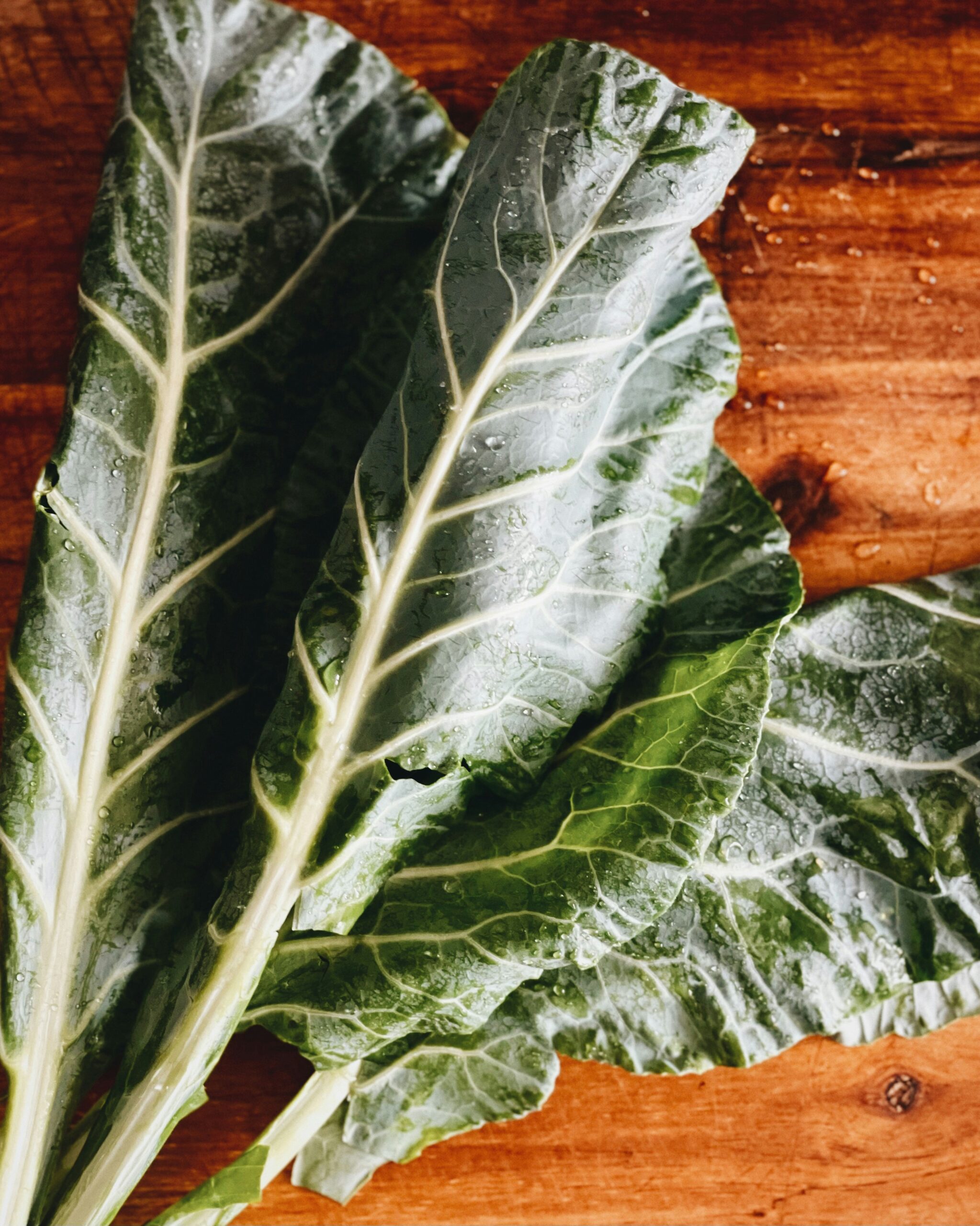
For a long time, soul food was frequently marketed in cookbooks as “Southern Cuisine”, authored by white people without acknowledging the enslaved Black cooks who often created/developed the recipes.
Black Eyed Peas Eaten across the South on New Year’s Day for good luck, black eyed peas are one of the clearest surviving links between West African food culture and American soul food. They’re typically cooked with pork and seasoned simply, a dish that, like so much of soul food, transforms very little into quite a lot.
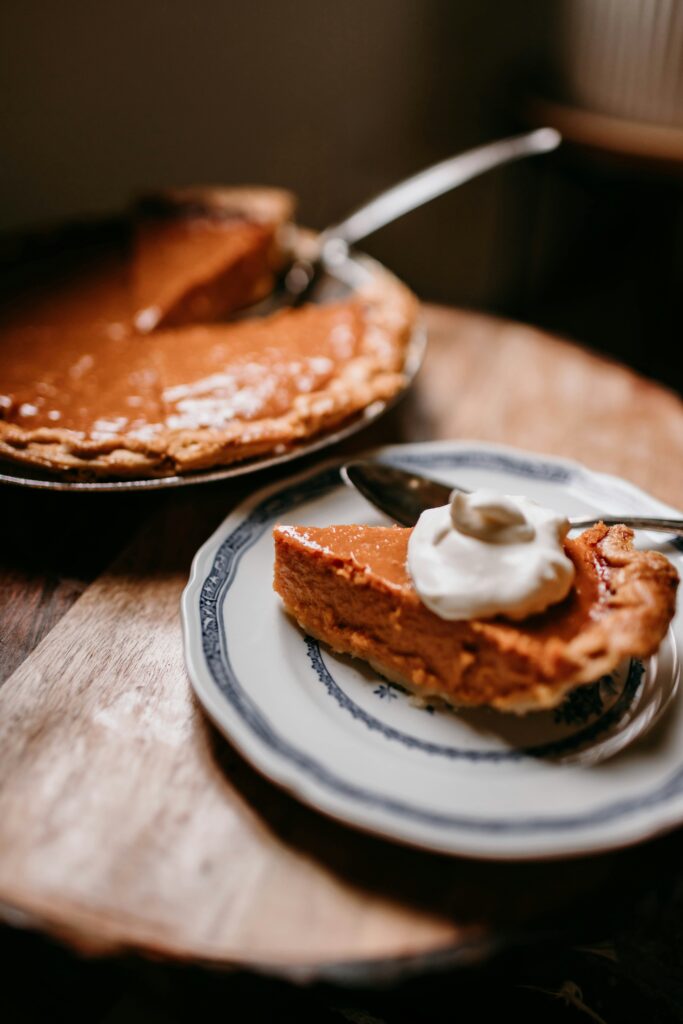
Sweet Potato Pie A rival, and in many African American homes a superior, to the pumpkin pie that dominates mainstream Thanksgiving tables. Sweet potatoes were more readily available to enslaved people than pumpkins, and the spiced, custardy pie that developed from that ingredient is something remarkable.
Cornbread Made with cornmeal rather than flour, denser, earthier, and considerably more interesting than its Northern counterparts, cornbread is the bread of the soul food table. Baked in a cast iron skillet, it develops a dark, crackling crust and a soft interior that soaks up pot liquor magnificently.
Catfish and Hush Puppies A pairing as natural as the Southern rivers and lakes where catfish were caught. Cornmeal-fried catfish with hush puppies on the side is one of the great simple pleasures of American Southern cooking, a dish that captures both the Native American and African American contributions to soul food in a single plate.
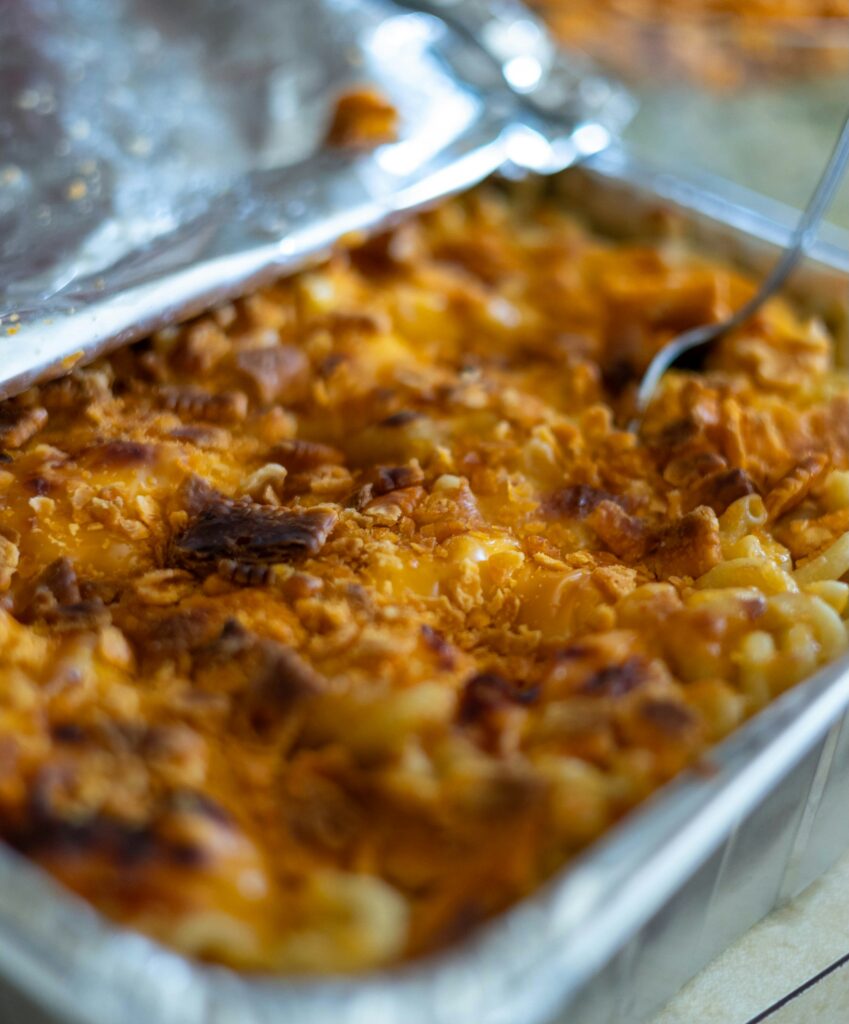
Macaroni and Cheese Baked, not stirred. Set, not saucy. The soul food version of macaroni and cheese is a fundamentally different dish from any boxed or European version. It’s a main course, a side dish, and an occasion all at once.
They share a geography and, in some cases, a larder, but they are distinct traditions. Soul food is specifically the food of African Americans, emerging from the experience of enslavement and deeply connected to Black cultural identity.
Cajun food is the cooking of the Cajun people, descendants of French Acadian settlers who were expelled from Canada and settled in the Louisiana bayou. It’s rustic and rural, built around the land and waterways of Louisiana, and features dishes like crawfish étouffée and boudin.
Creole food, by contrast, developed in New Orleans as a more urbane, cosmopolitan cuisine, a product of the city’s extraordinarily diverse population of French, Spanish, African, and Caribbean communities. It’s more refined in its classical influences, with dishes like shrimp remoulade and bananas Foster.
The three traditions overlap and have always influenced one another, particularly in Louisiana, where African, French, Spanish, and Native American cooking traditions collided with extraordinary results. But soul food is not Cajun, and it is not Creole. It is its own thing: vast, varied, and essential.
Soul food is not a museum piece. It lives in church suppers and Juneteenth celebrations, in the restaurants of Harlem and the home kitchens of Atlanta, in the hands of chefs like Mashama Bailey and Edna Lewis, who have brought it to international attention without sanitising it.
Its history is painful. It grew from conditions no one would wish to celebrate. But what African Americans made from those conditions, the flavor, the technique, the community, the ritual, reveals one of the most astonishing acts of creative resilience in culinary history.
The best way to understand soul food is to eat it where it was born. Insight Vacations’ Soul of the Deep South tour takes you into the American South, to the cities, churches, and kitchens where this food evolved, with expert local guides who connect the food to the history it carries. Prefer to travel with other women? The Soul of the Deep South: A Women-Only Tour offers the same extraordinary journey in an intimate, all-female group.
If the natural landscape of America calls to you as much as its cultural history, consider the American Parks Trail or the Spectacular National Parks of Eastern USA, tours through landscapes that have their own extraordinary stories to tell. And for something entirely different along the Eastern Seaboard, consider the Treasures of Cape Cod & the Islands for a stark contrast to the south.

LIKED THIS POST? SHARE WITH YOUR COMMUNITY



Plus recieve latest offers, travel inspiration, and discover how your travels will make a positive impact. Together, WE MAKE TRAVEL MATTER®