
These Are The Best Food Cities in Italy, According to an Expert
Italy without the food would be a movie without the sound.
One of the main reasons to visit Italy is to experience its world-famous cuisine – the very same cuisine that was recently awarded UNESCO recognition for its cooking traditions and culture. The question isn’t whether to experience Italian food, but where, and that’s where we come in. These are the best food cities in Italy according to our Italy expert and Travel Director, Patrizia.
Patrizia has been working with TTC for 20 years, first starting in the tourism industry over 30 years ago. “Even at the age of seven I used to play tour guide,” she says. She was born and raised in Sicily before moving to Milan as a teenager, where she currently lives, with periods in Chicago, London and throughout Europe along the way. “I’ve been to 57 countries, and I love trying the food everywhere I go. I love history, I love art, but food is a very important part of a vacation and getting to know a society.”
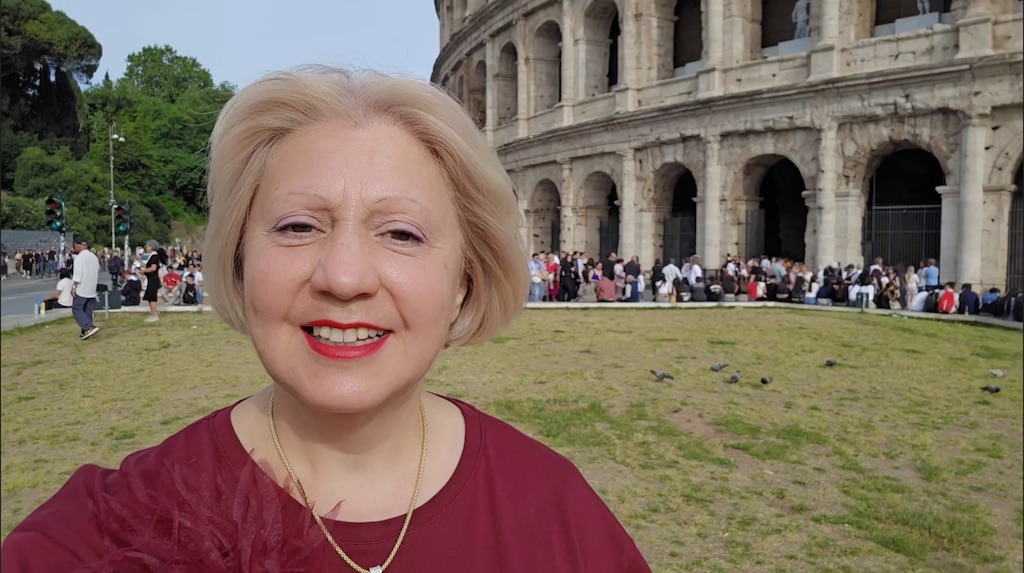
Meet Patrizia
Italian food: a cultural pillar
There’s no doubt that food is an integral part of Italian culture. “UNESCO has recognized Italian cuisine not for specific recipes, but the fact that everything starts fresh, that we get together and eat on a Sunday, and a lot of time is spent having dinner together,” Patrizia explains. “People can argue an entire evening about what is the best shape of pasta for a particular sauce. Italy without the food would be a movie without the sound.”
The notion of campanilismo, an Italian sense of pride and loyalty for not just their country but specifically their hometown, is apparent across the whole country. “You could ask anyone, anytime, and they will tell you that their region is the best, their food is the best. Even if they were born in Rome but have lived in Milan for 50 years, Rome is still the best,” explains Patrizia. “I call it the Italian disease, because they’re obsessed with where they come from. I don’t think we’ll ever lose that.”
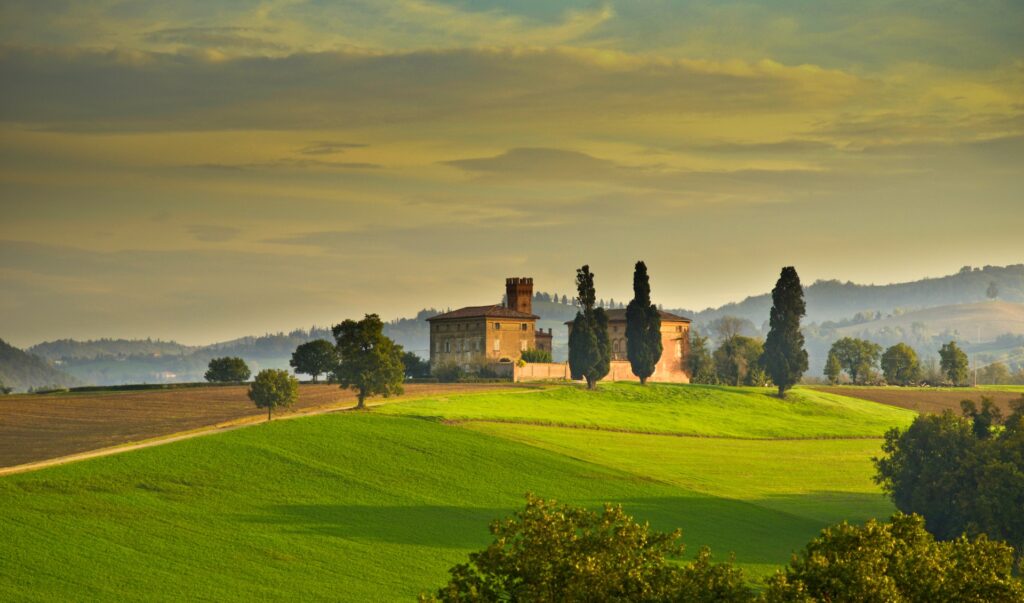
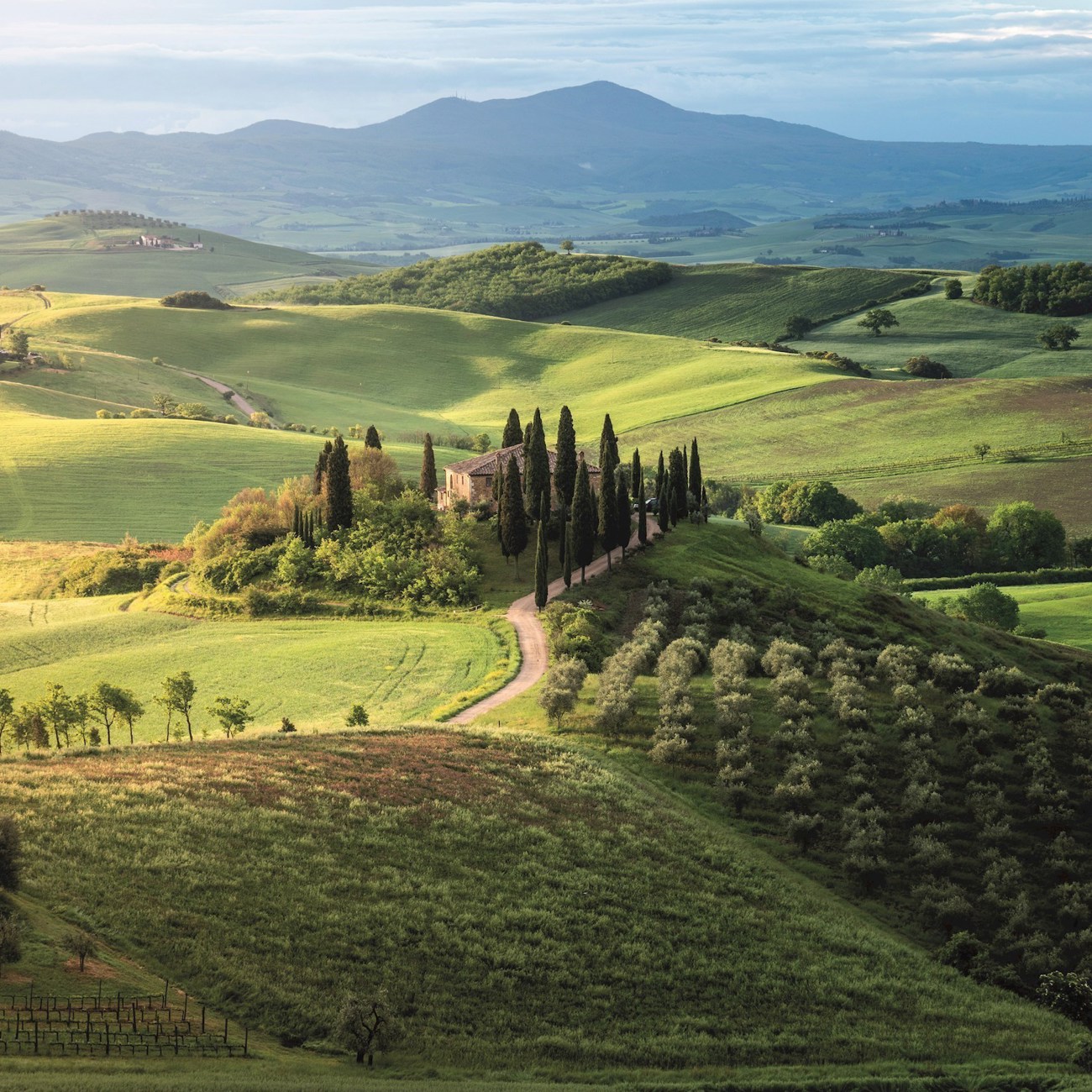
The rolling hills of Emilia Romagna in Northern Italy
North vs. South Italian cuisine
As you travel through Italy, the landscape changes from alpine lakes, mountain ranges and lush rural vineyards in the north, to the sun-soaked hills of Tuscany and shimmering coastlines of Amalfi. With the climate and geography evolving throughout the country, so too does the cuisine.
“In the north it’s all about rice, butter, polenta, long slow cooks and fresh pasta. In the south, more olive oil, eggplant, capers, lemon, and instead you have dried pasta made from hard wheat – granoduro,” says Patrizia. “In the south it’s so hot in Sicily, Puglia and Basilicata (where most of the grain comes from) that the wheat dries and seasons naturally. The way of cooking and serving is different; in the south, everything is done on the spot and finished in front of you, whereas in the north dishes are served after a long, simmering cook.”
“On tour, I always go around at every meal and explain what they’re having, what it’s called. Slowly start learning the importance of food in each region and appreciate it more. Yes. there’s pizza and pasta – but also a lot more. Italy only became one country in 1861, so every region had its own food.”
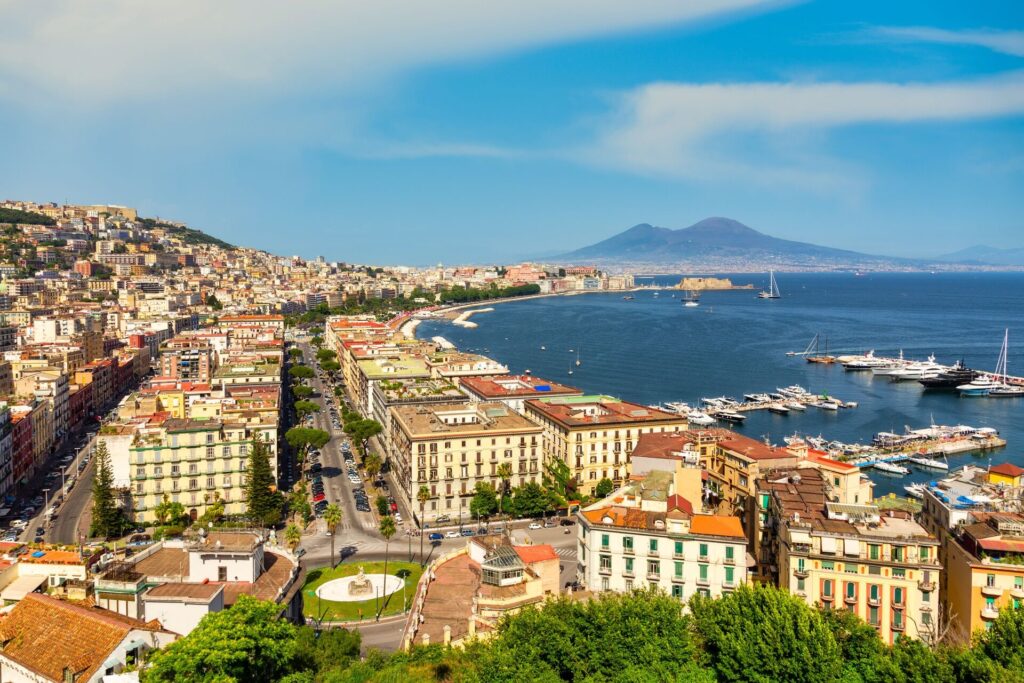
Naples: pizza & parmigiana
“Naples is obviously the land of pizza because it all started there,” says Patrizia. Most famously, pizza Margherita – named for Queen Margherita when she visited Naples. The white of the mozzarella, the red of the tomato and the green of the basil leaf resemble the colors of the Italian flag. “The difference of Neapolitan pizza is the thicker crust,” she explains. “I prefer it, because the rising process is different. If they take their time, they can put very little yeast. When you cut it you see little holes inside, which means the yeast worked perfectly.”
Another big hitter is Neapolitan ragù – a meat sauce that cooks very slowly for hours and almost becomes a puree. And then there is friarielli, a broccoli–type vegetable; you can get sausage with friarielli, and they also put it in pizza.
Naples has its own eggplant parmigiana, and “the difference between their version and the one from Parma is that the eggplant is fried in oil and breaded with flour, which makes it very oily and quite strong.”
Patrizia is particularly fond of cuoppo, a “street food that originated by the port – a little paper cone is filled with all kinds of fried fish inside that you can walk around with and eat.”
Those with a sweet tooth will find much to enjoy in Naples. “There’s babà rum, a very soft pastry soaked in rum or limoncello, topped with whipped cream and wild strawberries. Sfogliatella, a puff pastry rolled to look like a shell with ricotta cheese and candied citron inside. And pastiera: cooked wheat berries, mixed with ricotta cheese and a million other ingredients, baked like a fruit pie with dough on top. To die for!”
“If I were going to Naples tomorrow, the first thing I’d eat would be pizza Margherita because of the way it’s baked. The oven is really powerful and the rising process is done from the night before, so it’s very light – it’s essential to use a wood fire oven, not electric. Although you’re served a large pizza to yourself, it’s easy to digest because it’s done properly.”
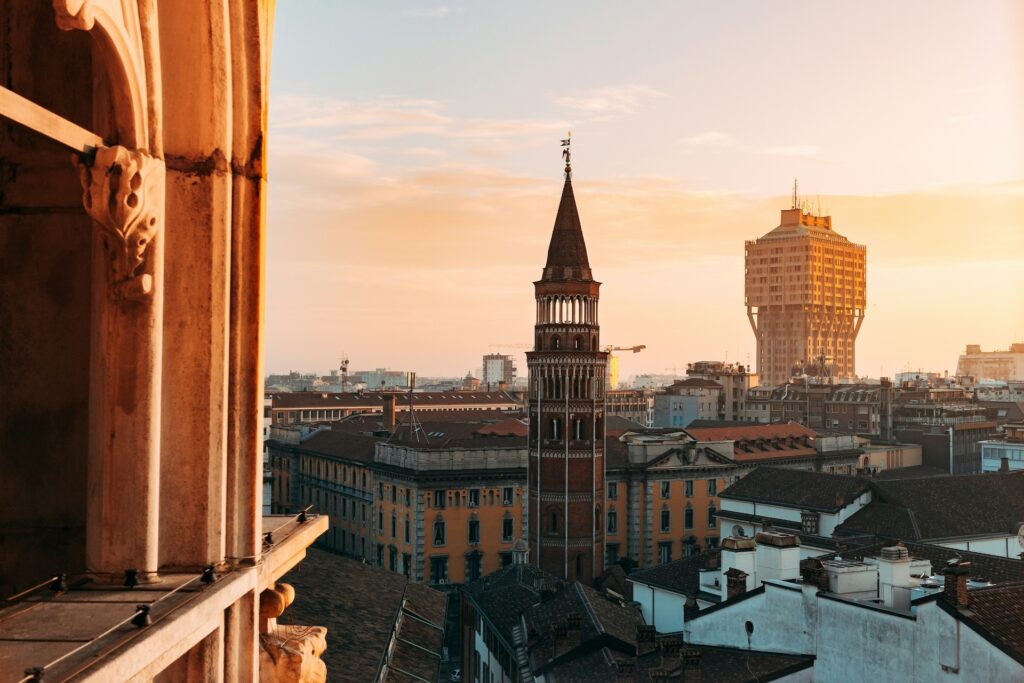
Milan: comfort food & panettone
Milan is known as the city of finance, design and fashion, but its food scene isn’t to be forgotten. “Milan’s culinary scene has two souls. There is a traditional side, but there is a lot of creativity and has a lot of sophisticated high cuisine.”
What makes Milan one of the best food cities in Italy is its diversity. “In Milan, we have a lot of international restaurants. I make a point of going to try something different at least once a month. We even have a restaurant from Uzbekistan here.”
“When we had the 2026 Winter Olympics in Milan recently, a lot of people were found that Italian food isn’t what they expected. Everybody was expecting carbonara, and they were presented with risotto. That’s where the north and south difference hits.”
One of Milan’s specialties is risotto alla Milanese, cooked with saffron, the world’s most expensive spice that can be worth more in its weight than gold. “When you serve risotto, it shouldn’t make a stiff little mound; it should be moist, spreading a little in the plate. Even Stanley Tucci went to a risotto place in Milan – Ratanà – and couldn’t stop talking about it having the perfect balance.”
“Milan has a lot of winter stews and earthy comfort food, often served with polenta,” Patrizia explains, naming dishes like brasato, made with red wine and beef, and ossobuco, made with braised veal and vegetables. “In the 1800s, Italians were having polenta every day. It can be served in many ways; a big soft lump, or flattened and roasted so it’s crunchy. Some people even make sweet polenta with a little sugar on top.”
The heavy use of butter gives Milan’s traditional cuisine a richer, more comforting dynamic. “In Milan they use a lot of butter, more than olive oil,” says Patrizia. “In the past it wasn’t easy to find olive oil in Milan. They had pastureland, cows and sheep, so butter was a byproduct of the milk.” Prior to the construction of the A1 highway from Milan to Naples after the Second World War, horse and carts would transport goods, making olive oil costly in both time and money. “By tradition, people still use butter.”
“We don’t have too many sweets in Milan, they’re bigger on meats or vegetables in stews or risotto,” says Patrizia, “but for desserts panettone is the classic.” Although seen all over Italy now, Milan is where panettone began, with plenty of legends for its origin. “One says there was this bread that went wrong, so a guy called Toni prepared something quickly, adding raisins: pan de Toni. Another claims a rich person in love with a baker’s daughter provided her fancier ingredients, and the dessert became famous.”
Save up to $3,000* per couple on your first Premium Tour
Plus receive latest offers, travel inspiration, and discover how your travels will make a positive impact. Together, WE MAKE TRAVEL MATTER®. Subscribe Now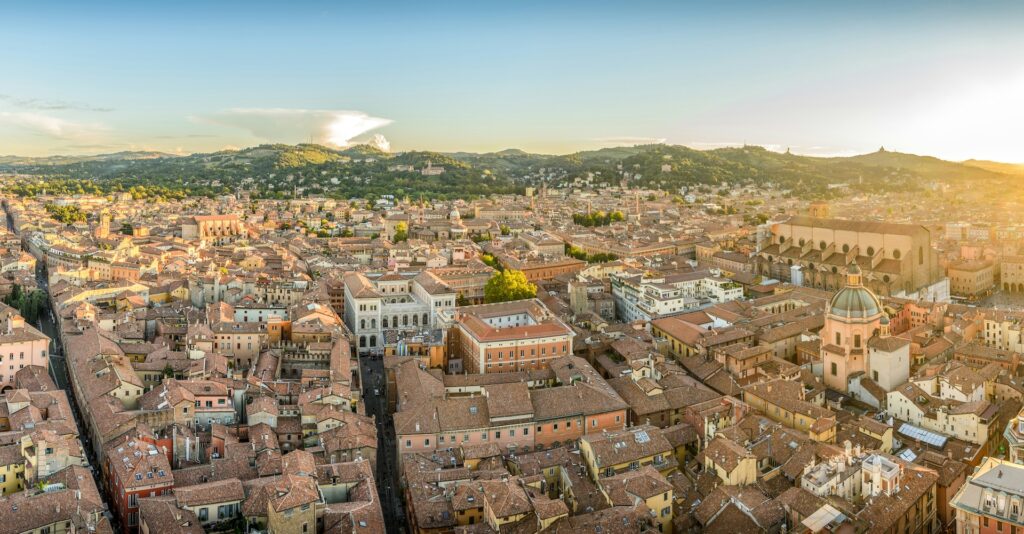
Bologna: fresh pasta & cold cuts
Bologna is all about fresh pasta. “All the famous pasta shapes come from there: lasagna, tortellini, ravioli, tagliatelle, cannelloni. The street markets always have all this fresh pasta on display in every color, shape and form.” Tagliatelle was allegedly created for the wedding reception of Lucrezia Borgia in the 1500s, when she married the Duke of Ferrara. “The chef created a dish that reminded him of her long blonde hair,” says Patrizia.
“Within Emilia-Romagna, each area has its own way to close the pasta – their seal,” she continues. “In Bologna it’s the tortellini with a little knot. My favorite is balanzoni – they’re bigger than your hand. They also play with colors; spinach in the dough makes it green, sugar beet makes stripes of red, green, and white. It’s a pity to eat it, it’s so perfect.”
Bologna is also home to all the cured meats and cold cuts – Prosciutto di Parma, culatello, salami and mortadella, all of which can be found as pasta sauces, stuffed in ravioli or in a sandwich.
Not forgetting tigella, “the same dough as the pasta but in a little disc, warmed in the oven until it rises, then cut open and stuffed with cold cuts or cheese. Some restaurants will bring a basket to your table while the bread is still hot. It’s amazing with a nice Lambrusco, the red, slightly sparkling wine.”
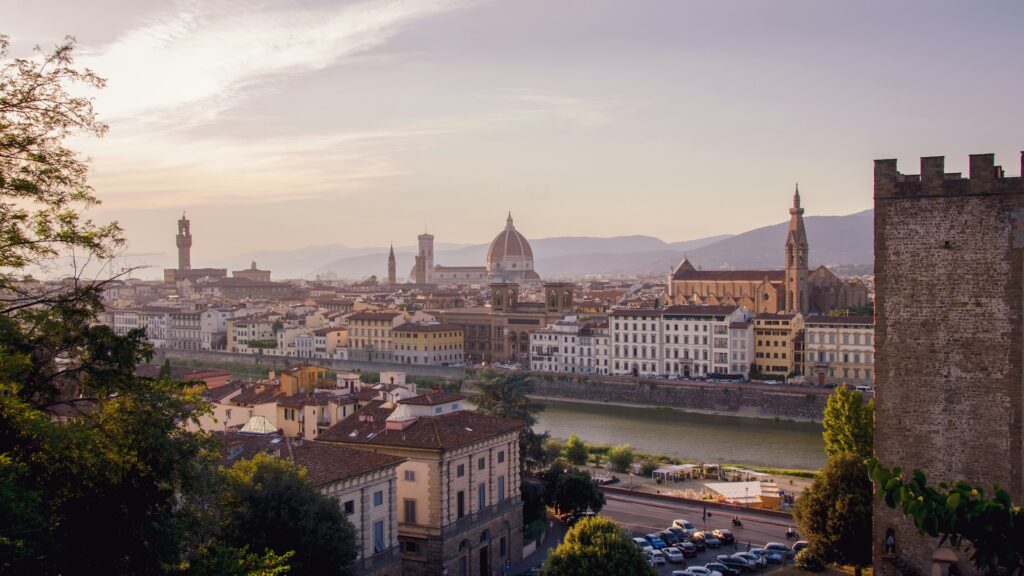
Florence: steak & schiacciata
Florence is often regarded as one of the best food cities in Italy thanks to its world famous steak Florentine. “The bistecca Fiorentina could weigh 800 grams, and local people like to eat it not overcooked.” Ask for your steak “al sangue” to enjoy it like a local.
Bread is a big part of the Tuscan region, and its most famous iteration might just be bruschetta – a slice of toasted bread with toppings. “In Rome the typical topping is chopped tomato, but in Tuscany they do it with chicken liver pâté, artichoke pâté or black olive pâté. It makes a nice starter. The word comes from the southern Italian “bruscare,” meaning to toast or burn. You put the bread on a flat pan and get that toasted flavor.”
Focaccia is another well-known bread originating from Genoa, but in Florence they have schiacciata – a focaccia-type bread with more crunch. “If you hold a schiacciata up it keeps its shape and structure; if you hold focaccia, because of all the olive oil it’ll flop down,” Patrizia explains.
Traditional Italian cuisine is notoriously waste-free, so old bread would be used to bulk out dishes like panzanella, a summer salad, or soups and stews. Patrizia recommends two soups: “pappa al pomodoro – day-old bread with onion and tomato sauce – and ribollita, the same concept but with cabbage.”
For dessert the top choice in Florence is cantucci, almond biscuits traditionally flavored with orange zest. “You dip them in Vin Santo, holy wine – a sweet wine made from grapes picked late in November, after the sugars have concentrated. Cantucci and Vin Santo is one of our Tuscan dinner desserts.”
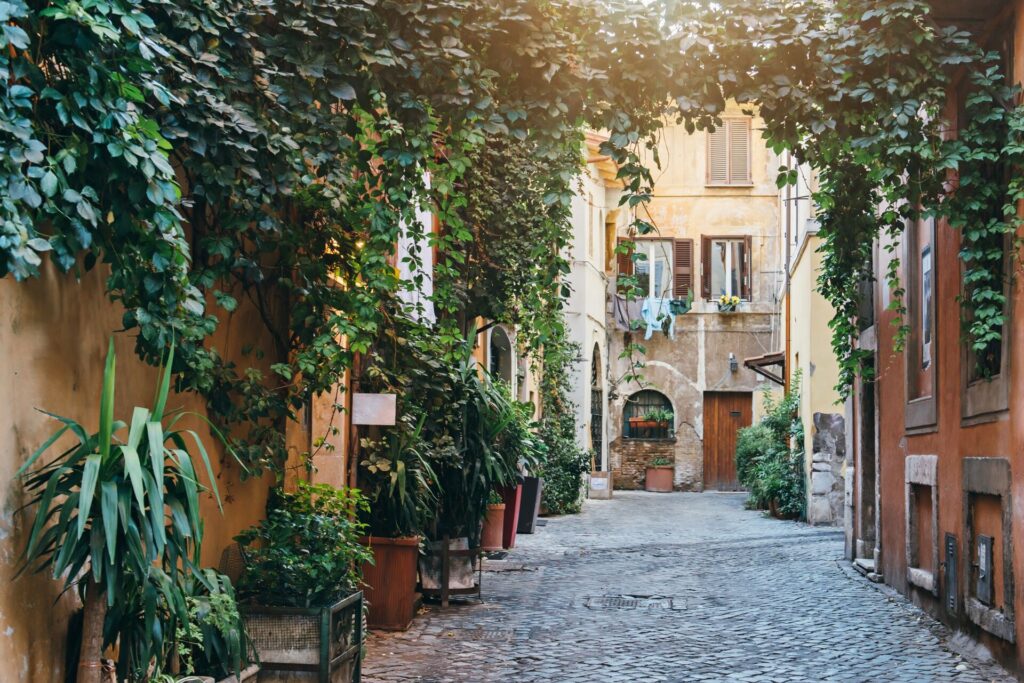
Trastevere neighborhood, Rome
Rome: artichokes & Roman pasta
“Rome is big on artichokes,” says Patrizia, “either cut in wedges and cooked in a little pan, or deep fried so they open up like a flower – carciofo alla giudia is a recipe from the Jewish community in Rome.” Patrizia pays special mention to the Jewish Quarter, also known as the Roman Ghetto, near the Tiber Island. “It has fantastic food: hummus, baba ganoush and baccalà (salt cod).”
It’s impossible to talk about the capital’s food without mentioning the Roman pastas: carbonara, gricia, amatriciana and cacio e pepe – the latter being Patrizia’s favorite. “In Rome, sometimes the pasta is served in a little aluminium pan – the topping is prepared in the pan, and the pasta is tossed in at the last minute. It’s common to see this in the Trastevere district. It’s the traditional way and people love it.”
Look out for pizza Romana – called pinsa – which is oblong rather than round. “The dough is halfway between focaccia and pizza.”
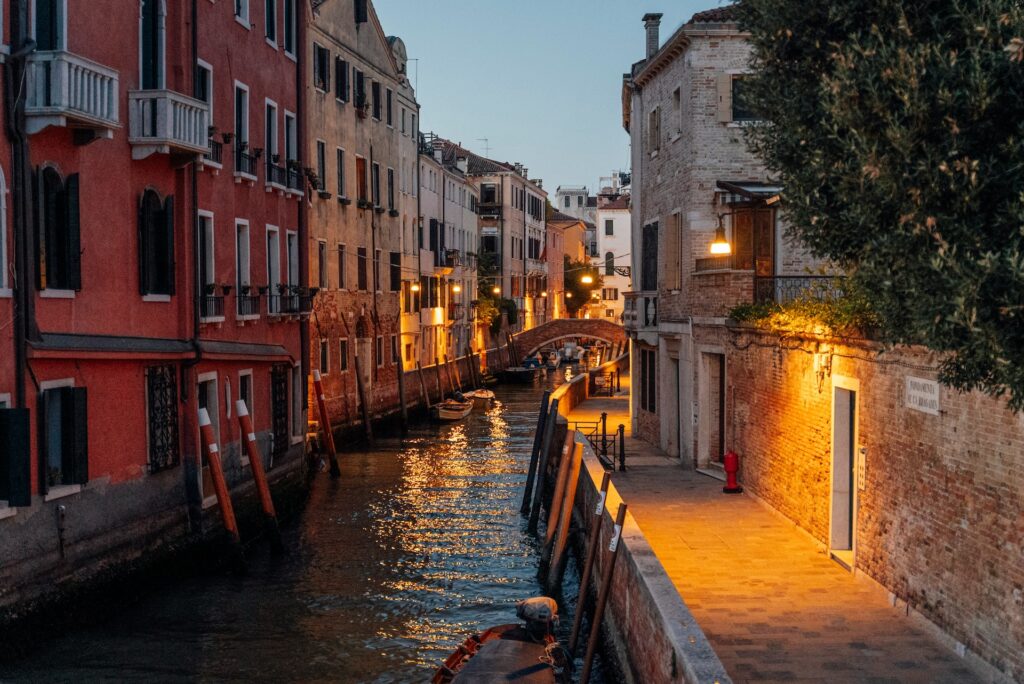
Get off the beaten path in Venice to find authentic food
Venice: underrated
People don’t think of Venice as one of the best food cities in Italy. Instead, Patrizia says, “they think of the gondola, the canals, the spritz. The cuisine of Venice is not the first thing that comes to mind, but there is so much.”
Given its coastal location, it’s little surprise that seafood is high on the list to try in Venice. “The risotto with seafood – calamari, baby octopus, clams, shrimps. There’s also sarde in saor, sardines cooked with onion, cold and sour, with pine nuts and raisins. An unusual combination, but very Venetian.” She also mentions polenta e schie (polenta with shrimps), squid ink risotto (“a distinct flavor”), and baccalà mantecato – salted cod made into a spread with butter, which you can buy in a little jar to take home with you.
Bigoli is Venice’s very own pasta shape. “It looks like a thick spaghetti, but they will swear it’s very different. Leave it to Italians!”
When in Venice, always look out for cicchetti, Italy’s answer to tapas – but getting off the tourist track is key to finding authentic iterations. “Near the Rialto Bridge, if you twist and turn away from the tourist route, there are some old-world places that do the real thing,” she explains. These establishments are a little more obscure, so keep your eyes peeled.
“Venice cuisine is underrated because people go to the main square and don’t venture further. You need to know where to go. The Venetians sometimes don’t advertise – if you know, you know. It takes a while to scratch beneath the surface. We don’t do justice to Venice.”
Experience Italian cuisine in style with our premium Italy tours.
About Jess Williamson

Jess is an experienced writer and editor, with 6 years' experience working within the whisky industry. Her work has taken her to Scotland and beyond, while her personal travel highlights include backpacking around Vietnam with her sister, trips to California, Madrid, and the Greek islands.
LIKED THIS POST? SHARE WITH YOUR COMMUNITY
Keep exploring