Traditional Italian Food: Top Dishes You Need to Try

by | 17 Mar 2026

Save up to $3,400 per couple and enjoy a $300 flight credit

Italian food is loved by almost everybody, so much that it’s considered the most popular cuisine in the world. Loved for its simplicity, fresh ingredients, and bold flavors, Italian cuisine brings visitors from around the world, as does the country’s rich history, stunning architecture, and beautiful landscapes. One thing you should know about Italian food culture: tradition is sacred. Dishes are an important part of the Italian regions’ varying cultural identities, reflecting the local ingredients, history, and climate. Here are some of our top iconic Italian dishes that you simply must try if you want a taste of la dolce vita, especially if you’re on one of our Insightful Italy guided tours.

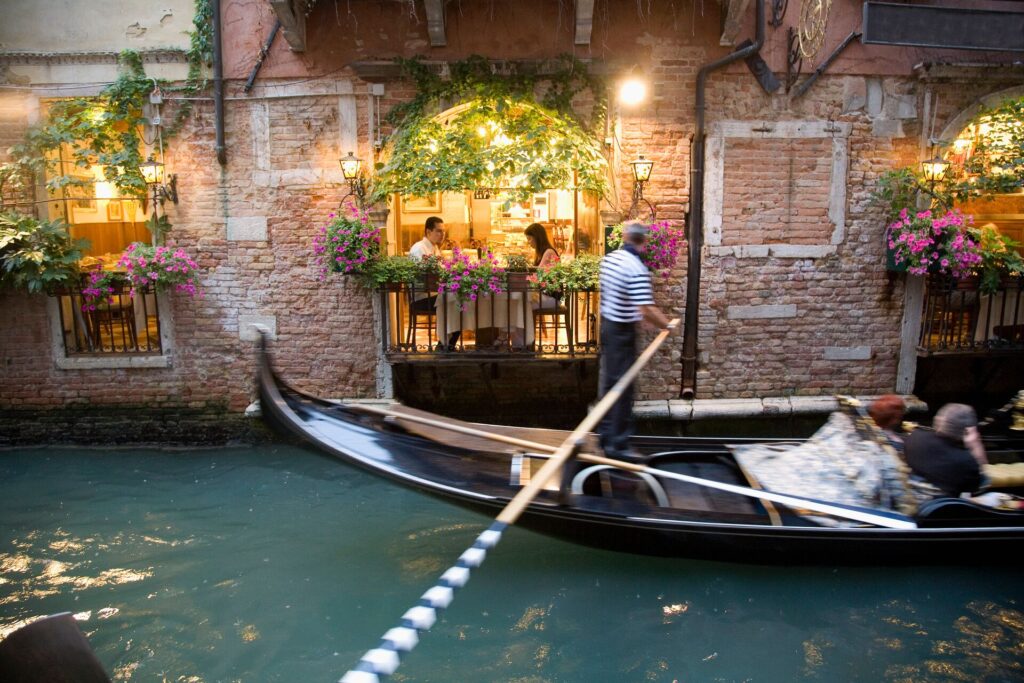
The gondoliers of Venice gracefully navigate their iconic gondola through the enchanting canals of Italy's floating city.

Lasagna al Forno

Lasagna, one of Italy’s oldest pasta dishes, hails from the region of Emilia-Romagna. The classic version layers thin egg pasta sheets with rich ragù, creamy béchamel, and generous Parmigiano Reggiano. When baked in the oven (“al forno”), it transforms into a bubbling, golden dish that feels like the essence of Italian comfort food.

The history of lasagna stretches back to ancient Rome, where early versions of layered pasta dishes were already being recorded in cookbooks. But it was in Bologna that the modern recipe took root, tied to the local ragù, made with slow-simmered meat, tomatoes, carrots, celery, and onions. Even the pasta matters — Bolognese lasagna uses fresh, green-hued sheets made with spinach.

Traditionally, lasagna was a dish for Sundays and holidays, when families would gather around the table for hours to enjoy it together. Each bite speaks of Emilia-Romagna’s culinary heritage, where simple, carefully layered ingredients create extraordinary depth. Today, lasagna is known and loved across the world, but its soul remains firmly Italian.

Ossobuco alla Milanese

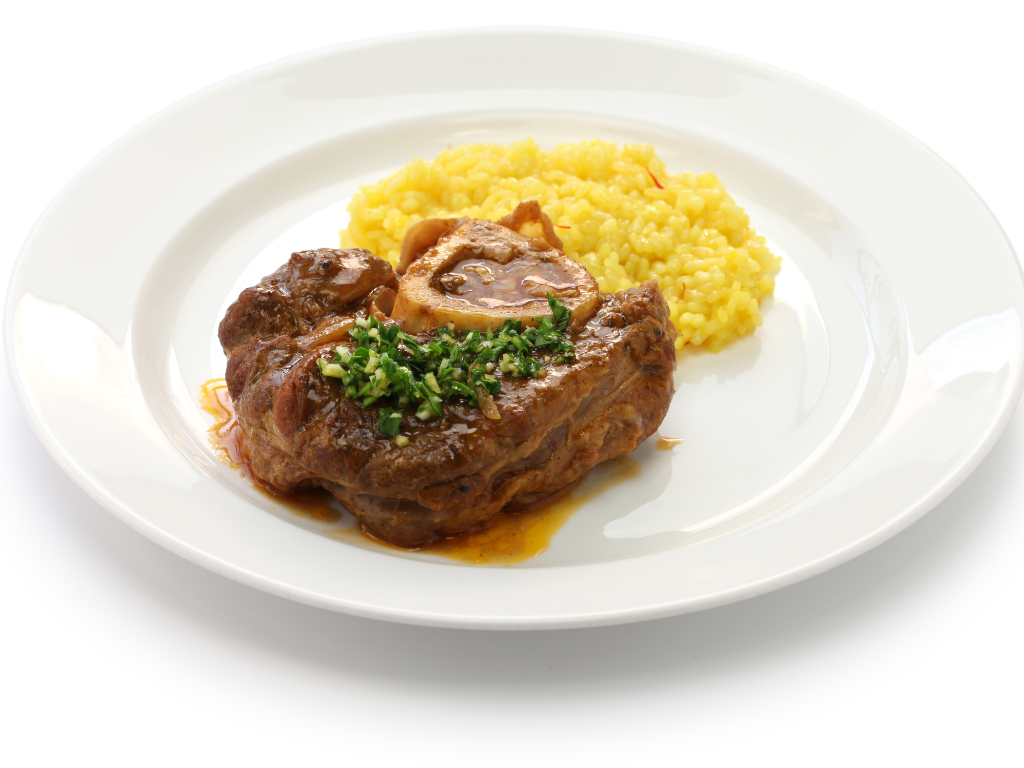
Ossobuco, literally “bone with a hole,” is a slow-cooked dish from Milan featuring veal shanks braised with white wine, broth, carrots, celery, and onions. The marrow inside the bone is the highlight, spread on bread as a delicacy. Traditionally, ossobuco is paired with Risotto alla Milanese, making the duo one of Lombardy’s most iconic meals.

The dish dates back to at least the 18th century, when veal was a staple of Milanese cuisine. Its popularity grew because the cut was inexpensive, yet when braised patiently, it became meltingly tender and full of flavor. The saffron risotto served alongside provides a golden, fragrant counterpoint, and the gremolata garnish of parsley, garlic, and lemon zest adds freshness to each bite.

 Families in Milan still prepare it for Sunday dinners, while Italian restaurants across the north serve it as a symbol of the city’s rich culinary tradition. It perfectly encapsulates how Italian cuisine elevates humble cuts into masterpieces.
a close up shot of a brown bear’s face, with shaggy brown fur

Cacio e pepe

Cacio e Pepe is a beloved pasta dish that originated in the heart of Rome. Translating to “cheese and pepper,” this classic Italian recipe is a masterclass in Italian simplicity. It features only three core ingredients: spaghetti or tonnarelli pasta, Pecorino Romano cheese, and black pepper. If you use another Italian pasta, make sure it’s rough-surfaced pasta to make the sauce adhere well. Add a drizzle of olive oil and salt for extra taste.

This dish is as ancient as it gets. Its origins can be traced back to the Roman shepherds of the Lazio region, who used readily available ingredients like cheese, pepper, and pasta to create a satisfying meal while traveling long distances with their flocks. The pepper stimulated their heat receptors, the pecorino could be preserved for a long time, and the pasta provided plenty of carbs to keep them going. Cacio (Pecorino in Roman dialect) is a sheep’s cheese that was found to have been consumed around the Mediterranean since 3,000 years before Christ!

Today, Cacio e Pepe remains a staple of Roman cuisine, a comfort dish cherished for its simplicity. It exemplifies the essence of Italian cooking—taking humble ingredients and transforming them into something amazing.

Try cacio e pepe at Ristorante di Rienzo in Rome on Easy Pace Italy

Pizza Napoletana

Would you believe that the world’s favorite dish, Pizza Napoletana, or Neapolitan pizza, was once hated by the rest of Italy? To see why, we have to trace this typical Italian dish back to its roots: to the vibrant streets of 19th century Naples.

In 1861, the kingdoms and regions of the Italian peninsula unified and became a single state. This new country was very unbalanced, with some parts much poorer than others. Like Naples, one of the most densely populated cities in Europe, riddled with disease due to to how crowded it was. This created a national feeling of shame towards Naples and everything related to it – including pizza, which was one of Naples’ most popular street foods. However, in 1889, King Umberto I and Queen Margherita visited Naples to try recover the city from its poverty. While there, Queen Margherita tried a pizza from chef Raffaele Esposito, who, using tomatoes, mozzarella cheese and basil leaves, replicated the new Italian flag in this dish. This delighted Queen Margherita, after whom the ‘Margherita pizza’  is named from, and so the rest is history. Though, this didn’t immediately create the love for pizza – worldwide or in Italy. That came after, when it became a staple in the USA in the latter half of the 19th century.


Cannoli

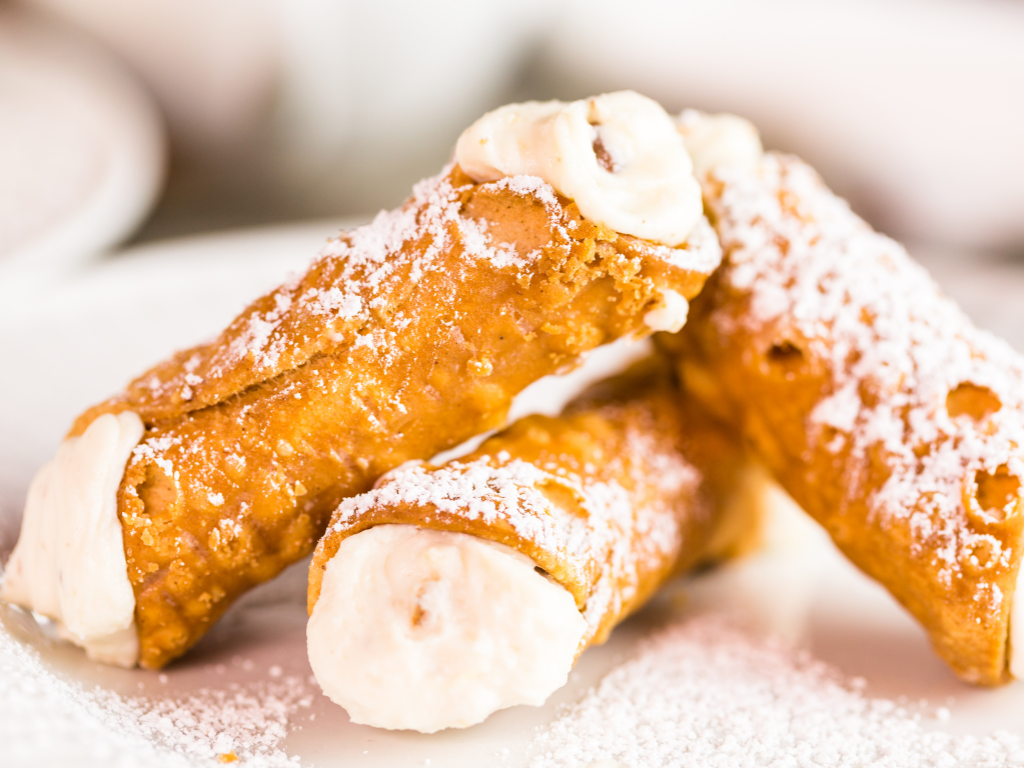
Cannoli

Cannoli, Sicily’s signature pastry, are crisp tubes of fried dough filled with sweet ricotta and garnished with pistachios or candied fruit. They were first made during Arab rule in Sicily, likely as a fertility symbol for Carnival. Over the centuries, they became a staple of Sicilian patisseries.

By the 19th century, cannoli were famous beyond Sicily, mentioned in literature and celebrated at feasts. Their enduring popularity lies in their contrast of textures and flavors: crunchy shell, creamy filling, and sweet, nutty toppings.

Cannoli remain deeply tied to Sicilian identity. No wedding, holiday, or festival is complete without them, and bakers across Palermo still compete for the best recipe. The world may know them through “The Godfather,” but in Sicily, they’re simply tradition.

Parmigiana di Melanzane

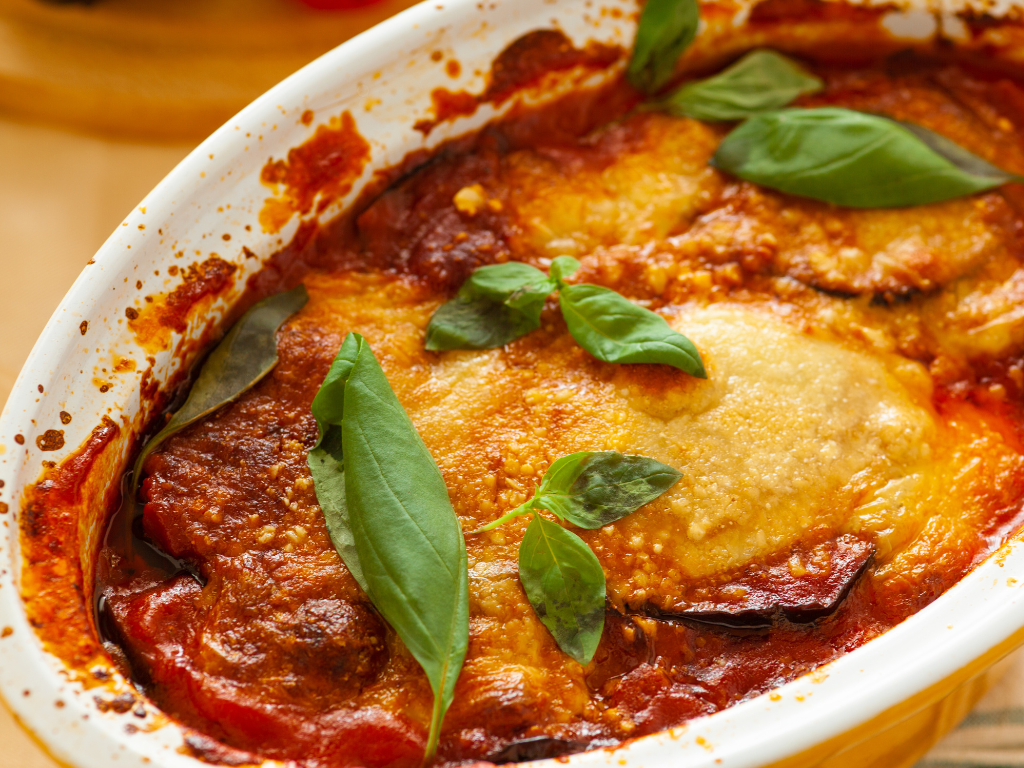
Parmigiana di Melanzane dish

Eggplant Parmigiana is a southern Italian classic, layering fried eggplant with tomato sauce, mozzarella, basil, and Parmigiano before baking. Its origins are debated between Sicily, Naples, and Parma, but it has been a staple since at least the 18th century.

The eggplant, introduced from the Middle East, was initially mistrusted in Europe. But in southern Italy, it became a beloved staple, celebrated in dishes like Parmigiana. The dish epitomizes Mediterranean flavors: the sweetness of tomato, the creaminess of cheese, and the earthy richness of eggplant.

Parmigiana is more than food — it’s a ritual. Families prepare it in large trays for Sunday lunch, letting it rest before serving to intensify the flavors. Each forkful is a reminder of southern Italy’s culinary ingenuity.

Ragù al Bolognese

Bolognese is a complicated dish. Ask a waiter in Bologna, the city in Emilia-Romagna where Bolognese comes from, for ‘spaghetti Bolognese’ and their nose will turn up quicker than you can say ‘parmigiano’. Former Bologna mayor Virginio Merola even declared on Italian national radio that ‘spaghetti Bolognese doesn’t actually exist’. So, what gives?

For the authentic Italian dish, you need to ask for ‘Ragù al Bolognese’. You see, in Bologna, they would never put spaghetti pasta with their meaty ragù sauce. Instead, tagliatelle is the best base. In Italy, the pasta shape matters as much as the sauce!

Strictly speaking, a ragù is any hearty Italian meat sauce. Ragù comes from the Old French term ragoûter, meaning “to revive the taste”. Throughout Italy, there are many different variations of ragù. The two famous types are that from Naples, and the one from Bologna. In both, the meal is hearty and comforting, with the rich and meaty ragù sauce as the star of this dish, simmered slowly to perfection. In Bologna, they use mince meat and some kind of cream, whereas in Naples they use thick cuts of pork or beef and no cream or milk. It normally starts with a sofrito: carrots, celery and onions cooked to make a sauce base. Then add some type of ground beef or pork and a touch of wine. The sauce develops a depth of flavor as it cooks, resulting in a robust and savory concoction that clings beautifully to al dente pasta. Then add some freshly grated parmesan cheese.

Ragù is one of the most quintessential pasta dishes. And in the quest for authentic Italian food, one must be precise.

Tiramisu

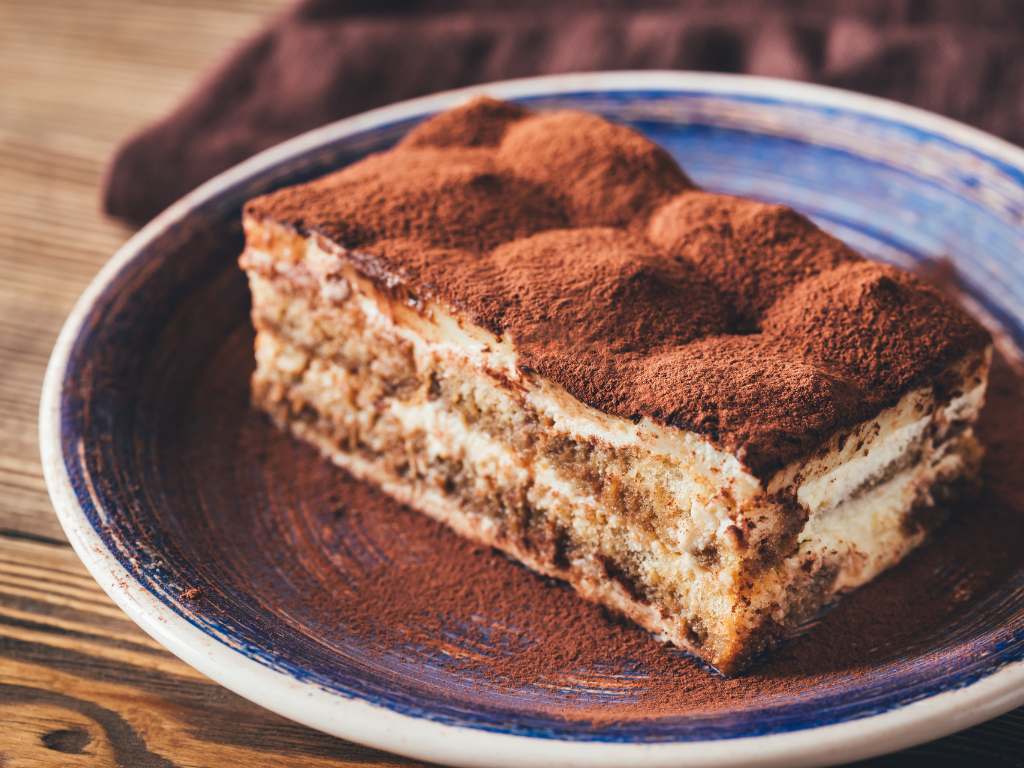
Plate of tiramisu

Tiramisu, meaning “pick me up,” is Italy’s most beloved dessert. It layers coffee-soaked ladyfinger biscuits (savoiardi) with mascarpone cream, cocoa powder, and sometimes a splash of liqueur. Each spoonful offers a mix of bitter, sweet, and creamy flavors — a perfect finale to an Italian meal.

The dessert was invented in Treviso in the 1960s, often credited to restaurateur Ado Campeol and his family. They combined mascarpone, espresso, and cocoa into what became an instant classic. But tiramisu’s roots go deeper, tied to northern Italy’s love for layered desserts and coffee culture.

By the 1980s, tiramisu spread internationally, cementing its place on menus worldwide. Yet in Italy, it still carries a sense of intimacy, often made at home for birthdays or family dinners. Its simplicity, elegance, and universal appeal make it a true icon of Italian cuisine.

Panzanella

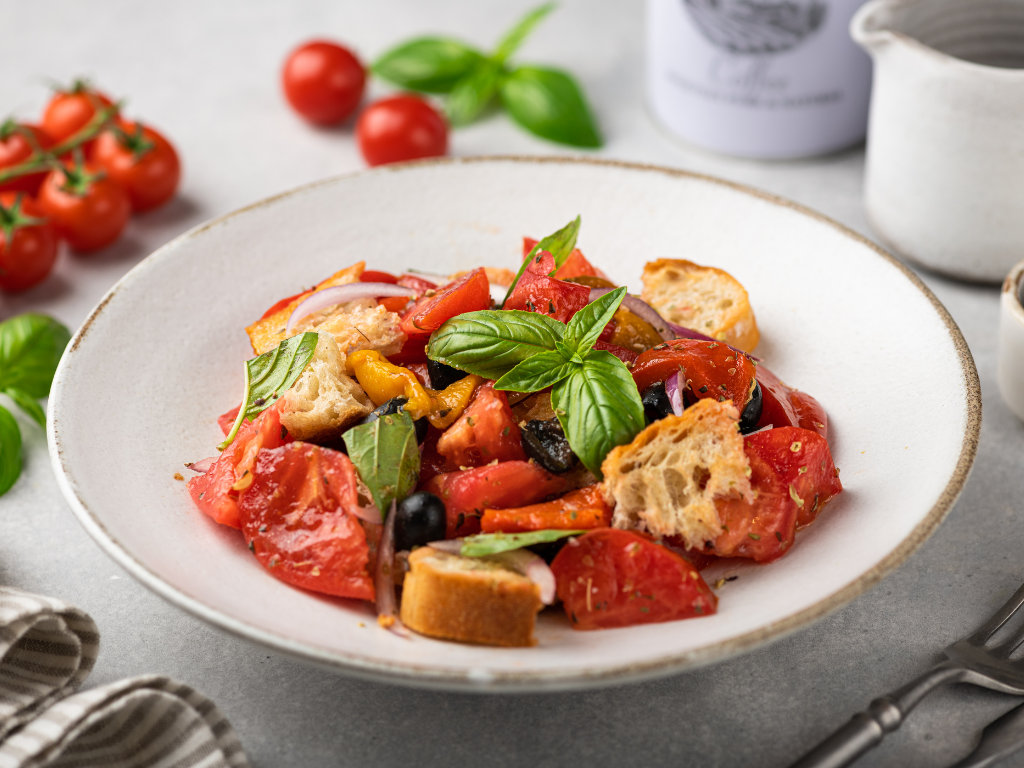
Plate of Panzanella

This rustic bread salad from Tuscany was born out of frugality. Stale bread was soaked in water, squeezed, and tossed with tomatoes, onions, cucumber, basil, olive oil, and vinegar. Farmers made it in the fields to stay nourished during long summer days.

Though now a classic, early versions of panzanella were made without tomatoes, as they didn’t arrive in Europe until the 16th century. Instead, onions were the main ingredient. Over time, the tomato became central, making panzanella a refreshing, colorful symbol of Tuscan summers.

Today, chefs elevate panzanella with heirloom tomatoes or additions like capers and olives, but its soul remains humble. It’s a celebration of resourcefulness, freshness, and the enduring bond between Italians and their land.

Risotto Milanese

One of the oldest and most traditional Italian dishes is the saffron risotto. Also known as Risotto alla Milanese…any guesses as to which city it comes from?

There are quite a few legends surrounding this dish. One of them is that in 1574, a Belgian glassmaker called Valerio di Fiandra was working on the stained glass windows of the Duomo of Milan. He had an assistant who everyone called “Zafferano” (saffron) because he loved to add the spice to dye his work yellow. This assistant married Valerio’s daughter, and as a practical joke, the friends of the bride and groom added the spice to the wedding rice dish. Little did they know that they’d create one of Lombardy’s most symbolic dishes

The true story is hotly debated, but it doesn’t matter much, because today saffron risotto is one of Italy’s most iconic dishes. Make sure to season with salt and pepper, and to use a dry white wine when cooking. You can also add a little lemon zest for extra seasoning.

Try Risotto alla Milanese on your Welcome Dinner in Milan on Country Roads of Italy


Pasta alla Norma

Pasta alla Norma is much more than a simple recipe for Italian pasta. The dish is a real masterpiece which long ago has passed the borders of Sicily and took its place in the menu of all who love the Italian cuisine.

There are two stories that are told about the beginnings of this iconic Sicilian dish. The first is that in 1831, Vincenzo Bellini presented his new opera ‘Norma’ in La Scala, which captured the public so much that they started using the word ‘norma’ as a shorthand for ‘perfection’. Thus, this delicious Sicilian recipe was given the name, and it stuck.

The second legend is that in 1920 a playwright from Sicily called Nino Martoglio met his friends for lunch. The landlady served pasta with eggplant, tomatoes, basil and cheese, which Martoglio loved so much he said ‘this is a real norma’.

Either way, this iconic Sicilian dish exemplifies good Italian food: combine fresh ingredients like tomato, basil, ricotta and thinly sliced eggplant with good cooking techniques to create an amazing dish.

Discover Sicily with locals and experts on Sicily In Depth


Carbonara


Carbonara is perhaps the most debated pasta dish in Italy. The Roman classic requires just four key ingredients: guanciale (pork cheek), Pecorino Romano, black pepper, and eggs. Yet outside Italy, you’ll often find cream added — a cardinal sin to purists. In its authentic form, the eggs and cheese emulsify with the pasta’s starchy water to create a silky sauce.

The origins of carbonara are murky. Some say it was created by carbonari (charcoal makers), hence the name. Others believe it came about after World War II, when American soldiers brought bacon and powdered eggs to Rome. A third theory ties it to older Roman pasta traditions, like cacio e pepe, which relied on a few hearty ingredients.

No matter its true history, carbonara captures Rome’s spirit: bold, straightforward, and deeply satisfying. Served with spaghetti or rigatoni, it’s a dish that has conquered the world while staying true to its roots in the Eternal City.

Polenta

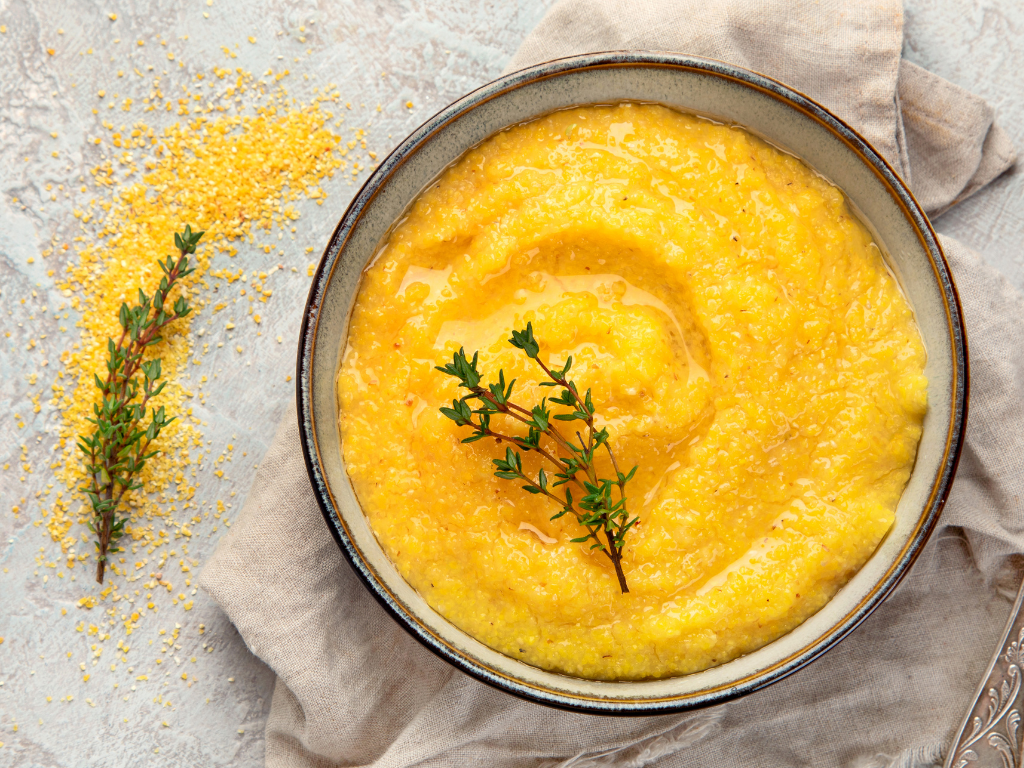
Polenta, the golden cornmeal porridge of northern Italy, has humble origins. Once peasant food, it was a staple in regions like Veneto and Lombardy, where it provided warmth and sustenance through long winters. Before corn was introduced from the Americas in the 16th century, polenta was made with spelt, millet, or chestnut flour.

Traditionally, polenta was stirred for hours in copper pots, then poured onto wooden boards to set. It could be eaten soft and creamy, or left to cool and sliced, grilled, or fried. Today, it’s often paired with ragù, stews, or melted cheese, transforming a simple porridge into a hearty feast.

Polenta reflects Italy’s adaptability: a dish that absorbed a New World ingredient and turned it into one of the country’s most treasured regional specialties. In mountain villages it still evokes nostalgia with northern Italians, bringing people together around the pot for a communal meal.

a close up shot of a brown bear’s face, with shaggy brown fur

Gelato

Gelato, undeniably the most beloved Italian treat worldwide, boasts a rich heritage deeply ingrained in Italian culinary tradition. The origins of gelato trace back to Sicily during the Arab domination, where fruit juices and sugar were mixed with snow from Mount Etna, giving rise to granita and sorbet—precursors to Italian gelato. Skilled “nivaroli” were tasked with gathering and storing snow in caves for summer use during this era.

The fame of Sicilian sweets spread to Florence during the Renaissance, where gelato garnered further popularity and led to advancements in ice storage techniques. However, it wasn’t until the 1660s, with the involvement of Sicilian chef Francesco Procopio de ‘Coltelli, that gelato as we know it came into existence. Inheriting a sorbet and granita-making contraption from his grandfather, Procopio ventured to Paris and founded Café Procope in 1660. There, he enhanced his ice cream recipes by infusing them with milk and Sicilian flavors such as pistachios, almonds, lemons, oranges, chocolate, and coffee.

Procopio’s innovative gelato creations earned him royal favor from King Louis XIV, who granted him a special license to produce these frozen delights. Thus, Italian gelato was born.

Remember, Italian food is not just about the dishes; it’s about the love and passion that goes into creating them, the joy of sharing meals with family and friends, and the connection to the land and its bounty. It’s about gathering around a table, breaking bread together, and savoring every moment. So venture to Italy itself with other food-lovers and discover all the sights and insights of Italy’s traditional food culture.

Read next: 10 Must-Have Traditional Portuguese Foods to Try on Your Next Trip


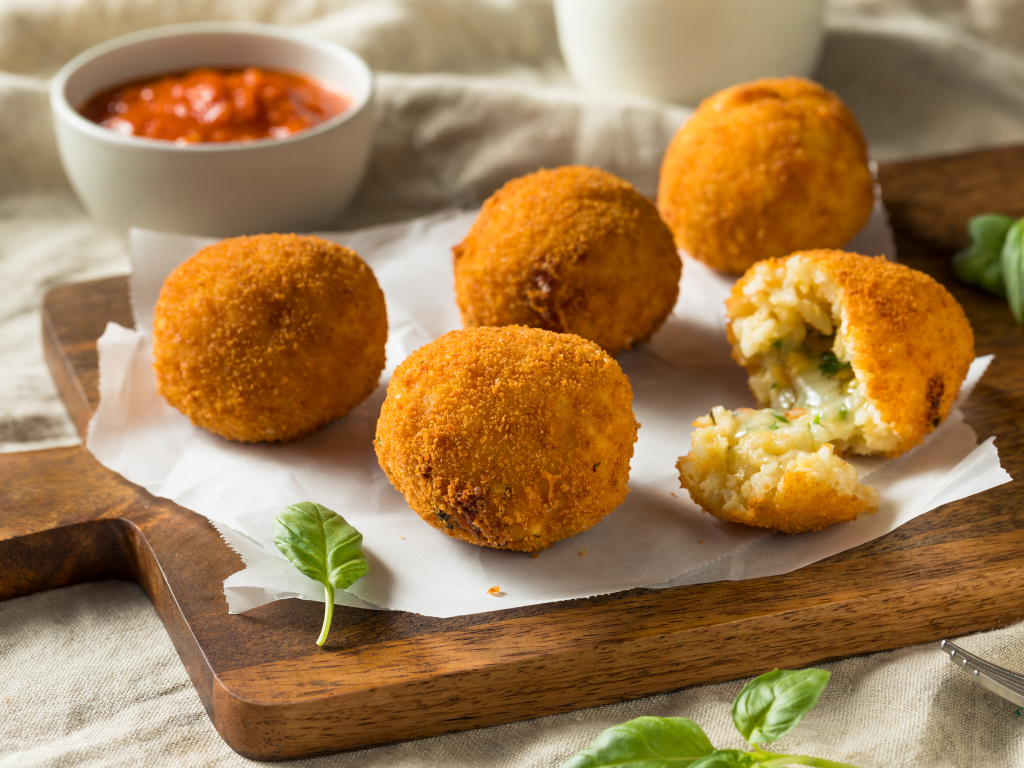
Arancini


arancini

Arancini, Sicily’s famous deep-fried rice balls, are golden, crunchy on the outside, and filled with a world of surprises inside. Traditional versions are stuffed with ragù, mozzarella, and peas, though regional variations feature everything from pistachios to swordfish. Their distinctive cone shape is said to symbolize Mount Etna, Sicily’s towering volcano.

The dish dates back to the 10th century, when Arab rule brought rice to Sicily. To make rice portable, locals began shaping it into balls, stuffing it with savory fillings, and frying it. The name “arancini” comes from “arancia,” meaning orange, because the golden orbs resemble citrus fruits.

Arancini are more than a snack — they’re part of Sicilian identity. They appear at festivals, family gatherings, and street food stalls across Palermo and Catania. Each city even debates whether the correct plural is “arancini” or “arancine.” What’s not debated is their appeal: a perfect bite of Sicilian history and flavor.

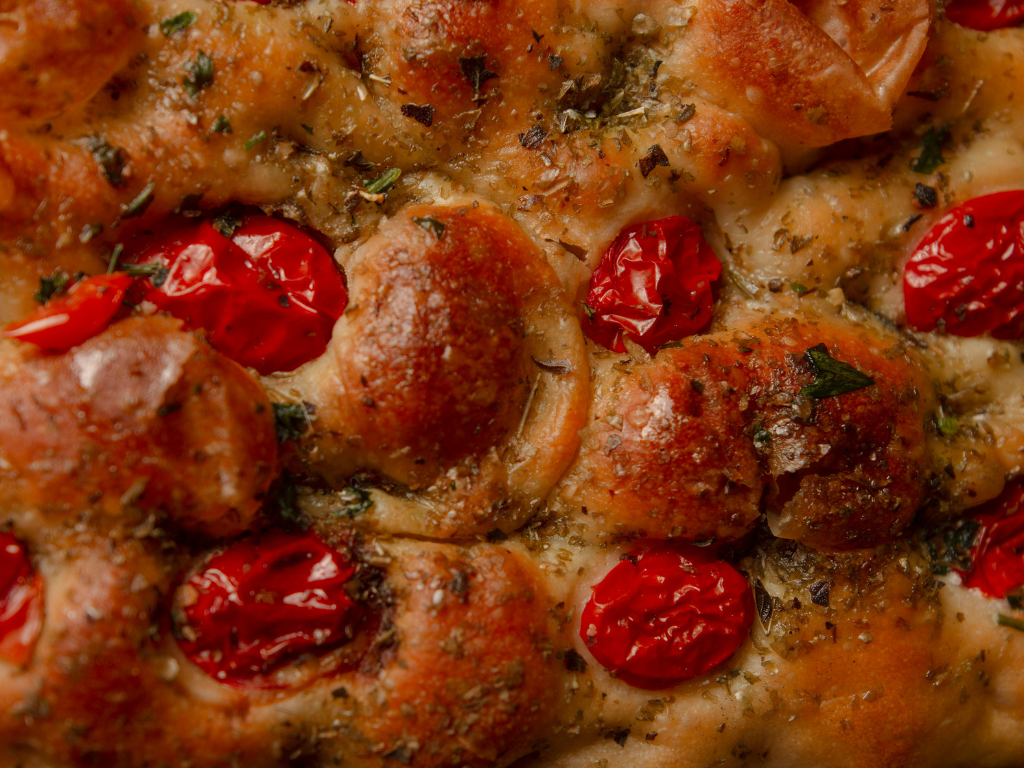
Focaccia Genovese

Soft, golden, and dimpled with olive oil and salt, focaccia is Liguria’s most famous bread. While similar flatbreads existed in Roman times, Genoa perfected the modern recipe. Bakers guard their methods closely, but the essentials remain simple: flour, yeast, olive oil, water, and a generous sprinkle of sea salt.

What makes focaccia special is its texture: crisp on top yet airy inside from being baked in wood-fired ovens and perfumed with the scent of olive oil. Locals eat it throughout the day, pairing it with cheese for lunch, or serving it alongside dinner.

Over the centuries, countless variations developed. Focaccia di Recco, for example, is filled with fresh cheese, while some versions are topped with rosemary, olives, or onions. But at its heart, focaccia remains the ultimate example of Italian simplicity: a handful of quality ingredients elevated into something unforgettable.

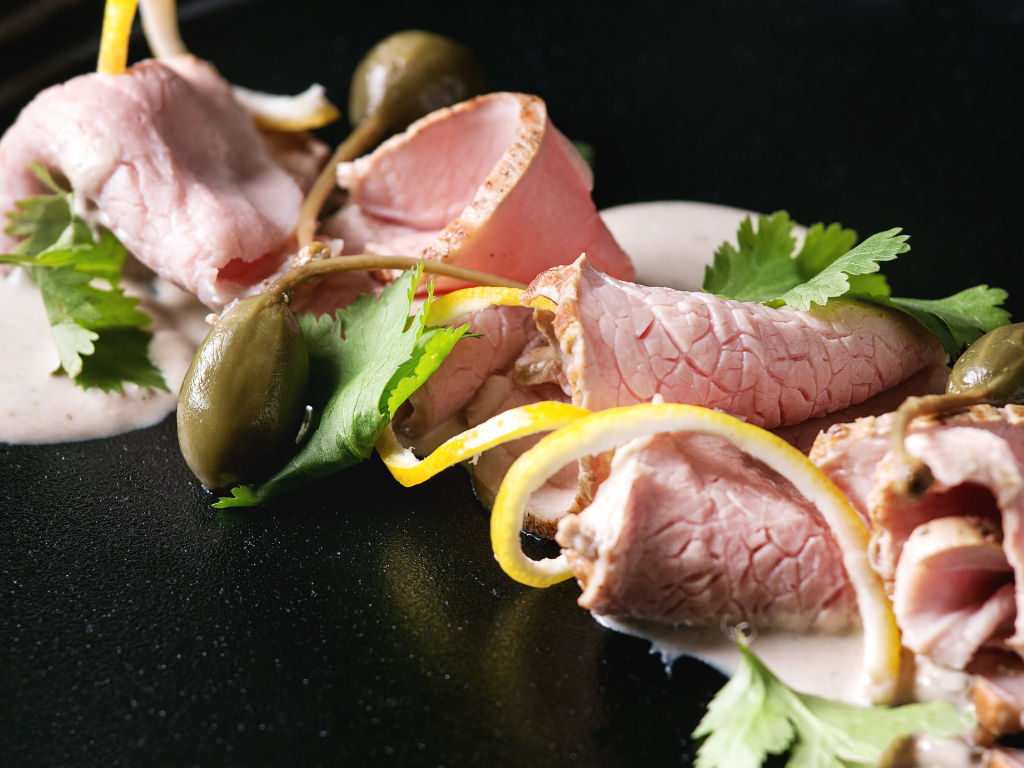
Vitello Tonnato

Vitello Tonnato is Piedmont’s most surprising dish: cold slices of veal blanketed in a creamy tuna and caper sauce. The combination of meat and fish may sound unusual, but the flavors harmonize beautifully, making it a luxurious antipasto served in the summer months.

Its origins date back to at least the 19th century, when French and Italian influences mingled in Piedmont. The sauce, enriched with anchovies and mayonnaise, became a symbol of refinement in the kitchens of Turin’s aristocracy. Over time, it spread across Italy, appearing on festive tables and in trattorie menus.

Vitello Tonnato represents northern Italy’s love of blending land and sea, as well as the region’s French ties. Today, it remains a cherished dish, both elegant and comforting, and a reminder of Piedmont’s creative culinary spirit.

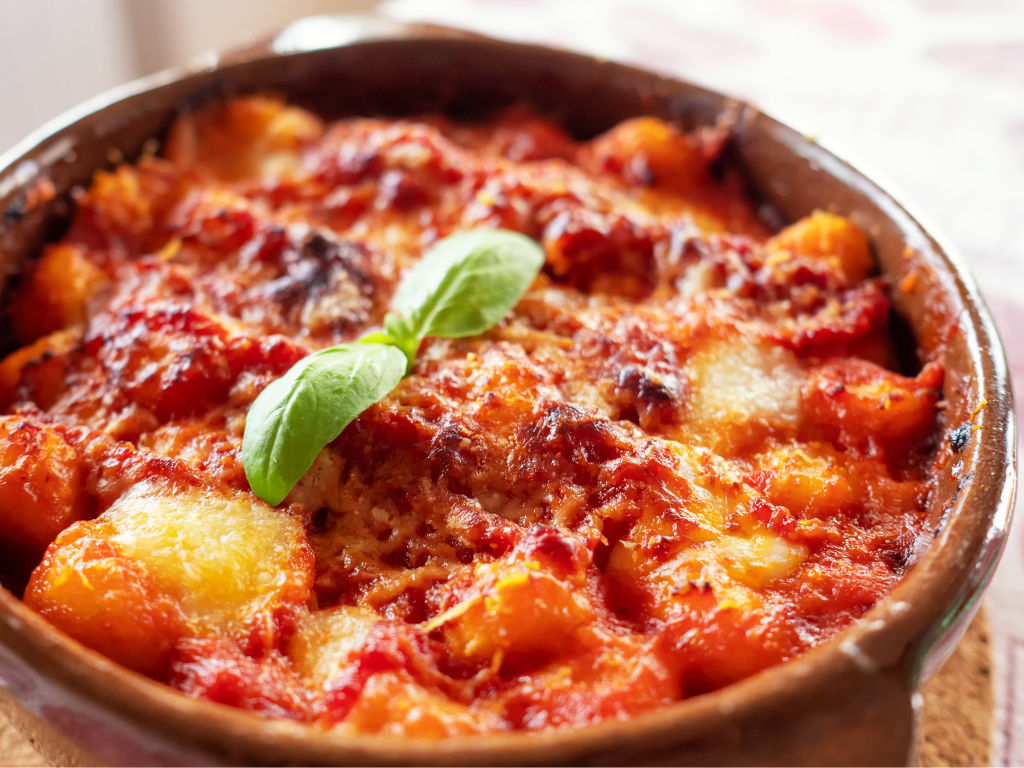
Gnocchi alla Sorrentina

Gnocchi alla Sorrentina features potato dumplings baked with tomato sauce, mozzarella, and basil until golden and bubbling. The dish captures the warmth and simplicity of Neapolitan home cooking.

Potatoes only arrived in Europe in the 16th century, but they quickly became a staple in southern Italy. Gnocchi spread across the peninsula, but in Sorrento, cooks began baking them with the region’s finest tomatoes and fresh mozzarella, turning them into a hearty main course.

Today, Gnocchi alla Sorrentina is a Sunday favorite, served in terracotta dishes that retain the heat. It’s proof that with the right ingredients, even the simplest recipes can become unforgettable.

What is Italy’s national dish?

Italy doesn’t have one official national dish, but many consider pasta—in all its regional variations—the true culinary symbol of the country. Classics like spaghetti al pomodoro and lasagna embody the Italian philosophy of simple ingredients prepared with care. Others argue that pizza Napoletana, born in Naples and loved worldwide, could also claim the title. What’s certain is that Italian food is deeply regional, and every corner of the country has its own “national dish” that locals proudly defend.

What is the most popular food in Italy?

The most popular food in Italy is undeniably pizza, particularly the Margherita with its simple topping of tomato, mozzarella, and basil. However, pasta dishes like spaghetti carbonara, cacio e pepe, and ragù alla bolognese are also eaten daily across the country. Italians typically eat pasta once a day, often at lunch, making it a cornerstone of their diet. The popularity of these dishes reflects Italy’s passion for everyday simplicity—high-quality fresh pasta, fresh vegetables, olive oil, and regional cheeses.

What are the oldest Italian dishes?

Some of Italy’s oldest recipes date back to Roman times. Cacio e pepe, made with pasta, Pecorino Romano, and black pepper, is believed to have been created by shepherds in ancient Lazio. Polenta, originally made with spelt or millet before corn arrived from the Americas, was a staple in northern Italy long before modern risottos and pastas. In Sicily, dishes influenced by Arab rule, like arancini and sweet pastries with almonds and honey, also have centuries of history. These early dishes prove that Italian cuisine has always been shaped by trade, conquest, and resourcefulness.

What part of Italy is best for food?

It’s impossible to crown one place as having the best food in Italy, since each region has its own culinary treasures. Emilia-Romagna is often considered the gastronomic heart, home to Parmigiano Reggiano, balsamic vinegar, mortadella, and ragù alla bolognese. Naples and Campania gave the world pizza, buffalo mozzarella, and limoncello. Sicily blends Mediterranean and Arab influences in dishes like cannoli and couscous. Meanwhile, Tuscany is beloved for rustic simplicity, from ribollita soup to bistecca alla fiorentina. Italy’s strength lies in its diversity—every region is a food destination in its own right.


I'm Jay – born in Italy, raised in South London. Having French sisters and Hungarian ancestors, I've always been fascinated with the world and its cultures, and I carry this curiosity into my writing for Insightful. My favourite destinations I've traveled to so far have been Italy, Peru, France and Brazil.

LIKED THIS POST? SHARE WITH YOUR COMMUNITY

Save up to $2,000 per couple* on select worldwide tours.

Plus recieve latest offers, travel inspiration, and discover how your travels will make a positive impact. Together, WE MAKE TRAVEL MATTER®

Offer Terms